
How to Read Your Remodeling Schedule Like a Pro

Somewhere between signing the contract and the first day of demolition, your builder hands you a schedule. Maybe it's a Gantt chart with colored bars, maybe a milestone list with dates. Either way, most homeowners glance at the last line — the finish date — and file the rest away.
That's a missed opportunity. A construction schedule is the most honest document in your whole project binder. It tells you where the risk lives, when your decisions are actually due, and which weeks will test your patience. Since January is when many San Diego homeowners kick off the projects they promised themselves over the holidays, here's how to read yours like someone who's done this before.
Start with the dependencies, not the dates
The dates on a schedule are estimates. The sequence is close to physics. Foundation before framing, framing before rough-in, inspection before drywall — no amount of optimism reorders those steps. When you look at your schedule, trace which tasks feed which. A three-day slip in a task on the critical path pushes everything behind it; a slip on a side branch may not matter at all. If your builder can tell you which items are on the critical path, you're working with a team that actually manages the plan instead of just printing it. That kind of transparency is baked into our process for a reason: a schedule you understand is a schedule you can trust.
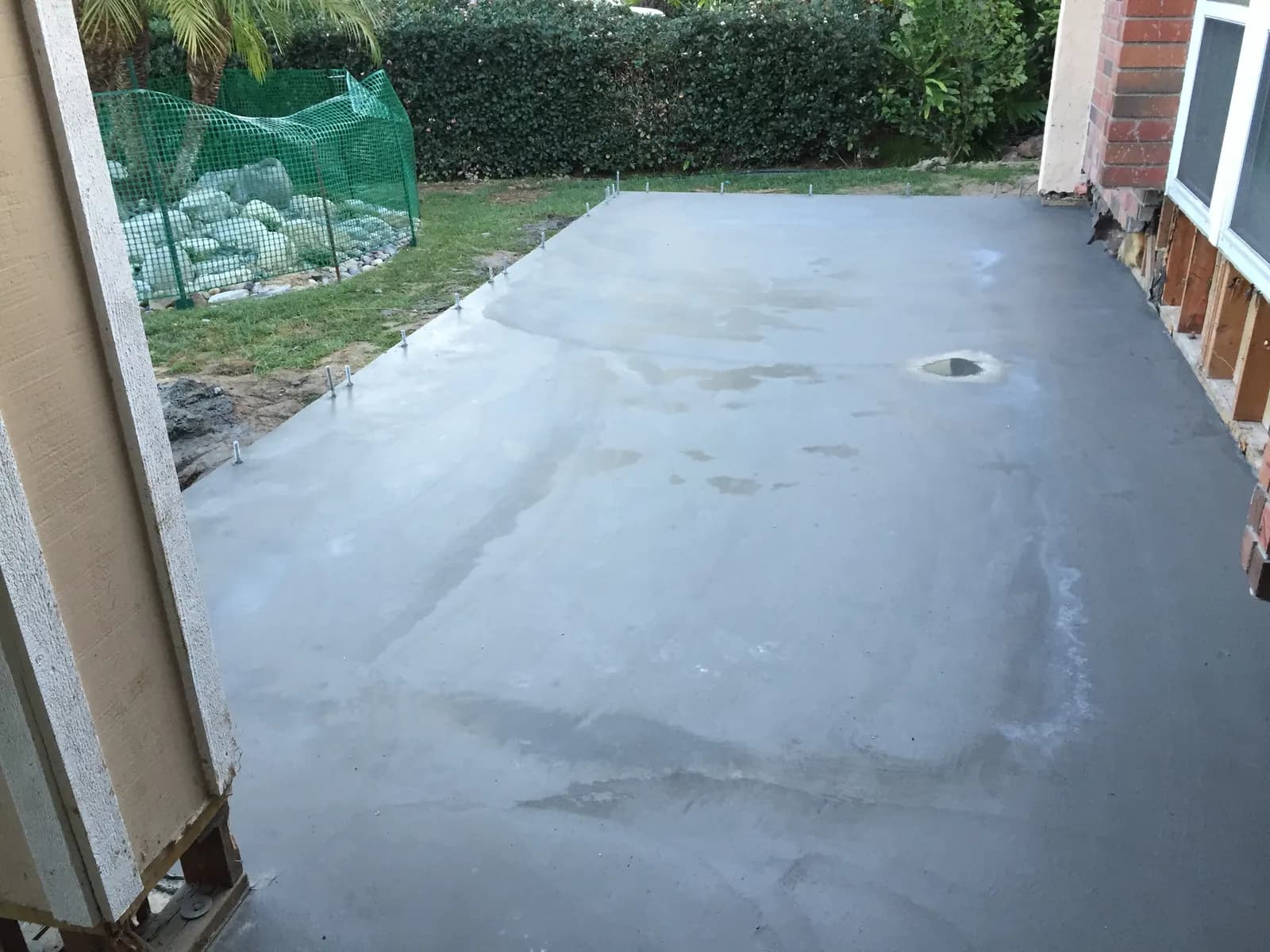
Look for the inspection gates
Scattered through the schedule you'll find inspection milestones — foundation, framing, rough electrical and plumbing, insulation, final. These are the moments the City of San Diego (or your local jurisdiction) must sign off before work continues, and they're the most common source of short, unavoidable pauses. A well-built schedule shows them explicitly and leaves a little air around each one. We walked through the full sequence in The Inspection Milestones Every San Diego Remodel Hits; once you can spot those gates, a quiet Tuesday on site stops looking like a stall and starts looking like the plan working.
Your decisions are on the schedule too
Here's the part that surprises people: some of the longest lead times belong to you. Windows, cabinets, tile, and plumbing fixtures often need to be ordered months before they're installed, which means your selection deadlines land far earlier than feels intuitive. A good schedule shows those decision dates right alongside the construction tasks. Miss one, and the crew doesn't slow down gracefully — the project hits a wall weeks later when the missing item is suddenly needed. If you're staying in the house during the work, those stalls sting twice as much; it's one of the trade-offs we covered in Should You Move Out During a Major Remodel?
What a healthy schedule looks like
A few green flags worth checking for:
- Float built in. Buffer days around inspections, deliveries, and — this time of year — San Diego's winter rain, which can pause concrete pours and exterior work.
- Specific task names. "Rough plumbing, hall bath" beats a month-long bar labeled "construction."
- Updates on a rhythm. The schedule should be re-issued as things shift, not defended as originally printed. Reality always edits the plan; the question is whether your builder shows you the edits.
- A named owner. Someone on site who answers for the plan every week, not just at the end.
You don't need to become a scheduler. You just need to know which questions to ask — and now you do. If you're planning a project this year and want a schedule you can actually read, request a consultation or give us a call — we'll walk you through the plan before anyone lifts a hammer.
Design · Build · Integration
Let's build something beautiful.
Call (619) 334-3322 or request your free design-build consultation.