
Should You Move Out During a Major Remodel?
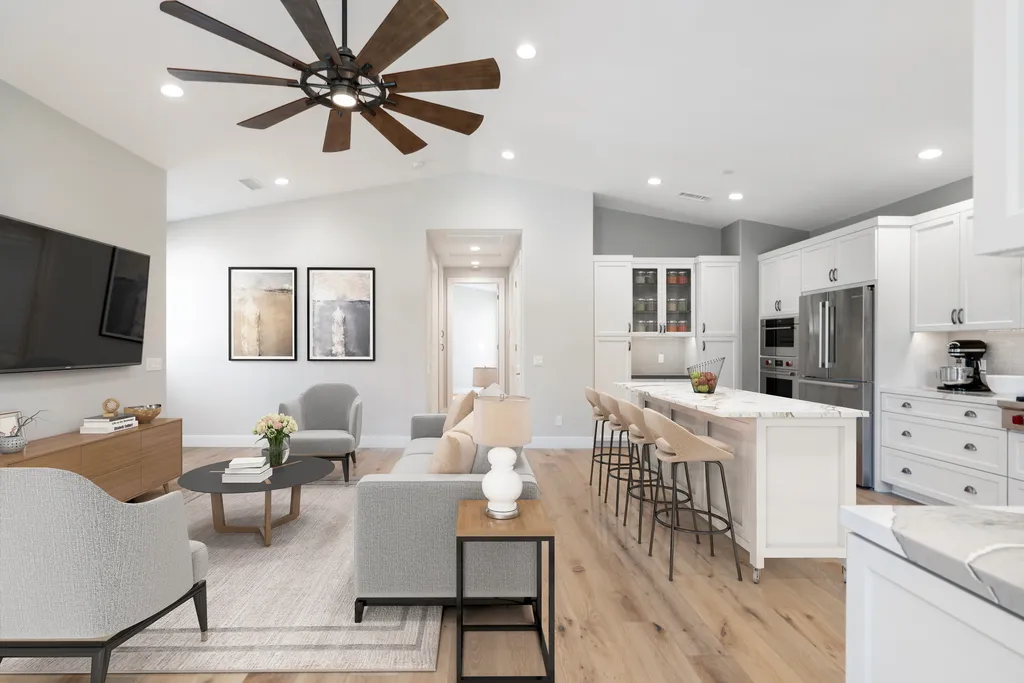
It's one of the first questions in almost every planning meeting, usually asked half-jokingly and meant completely seriously: "Do we have to move out?"
The honest answer is that it depends — on the scope, on your household, and on your tolerance for temporary chaos. But it's not a coin flip. After nearly two decades of remodels across San Diego, we can tell you fairly precisely which projects are livable and which ones send even the most patient families to grandma's house.
Know what you're actually signing up for
A remodel isn't a steady hum of inconvenience; it's a curve. The loudest, dustiest, most disruptive stretch comes early — demolition week and the rough trades that follow, when walls are open and saws run all day. The middle phases are noisy but predictable. The final weeks are quieter, punctuated by painters and punch lists.
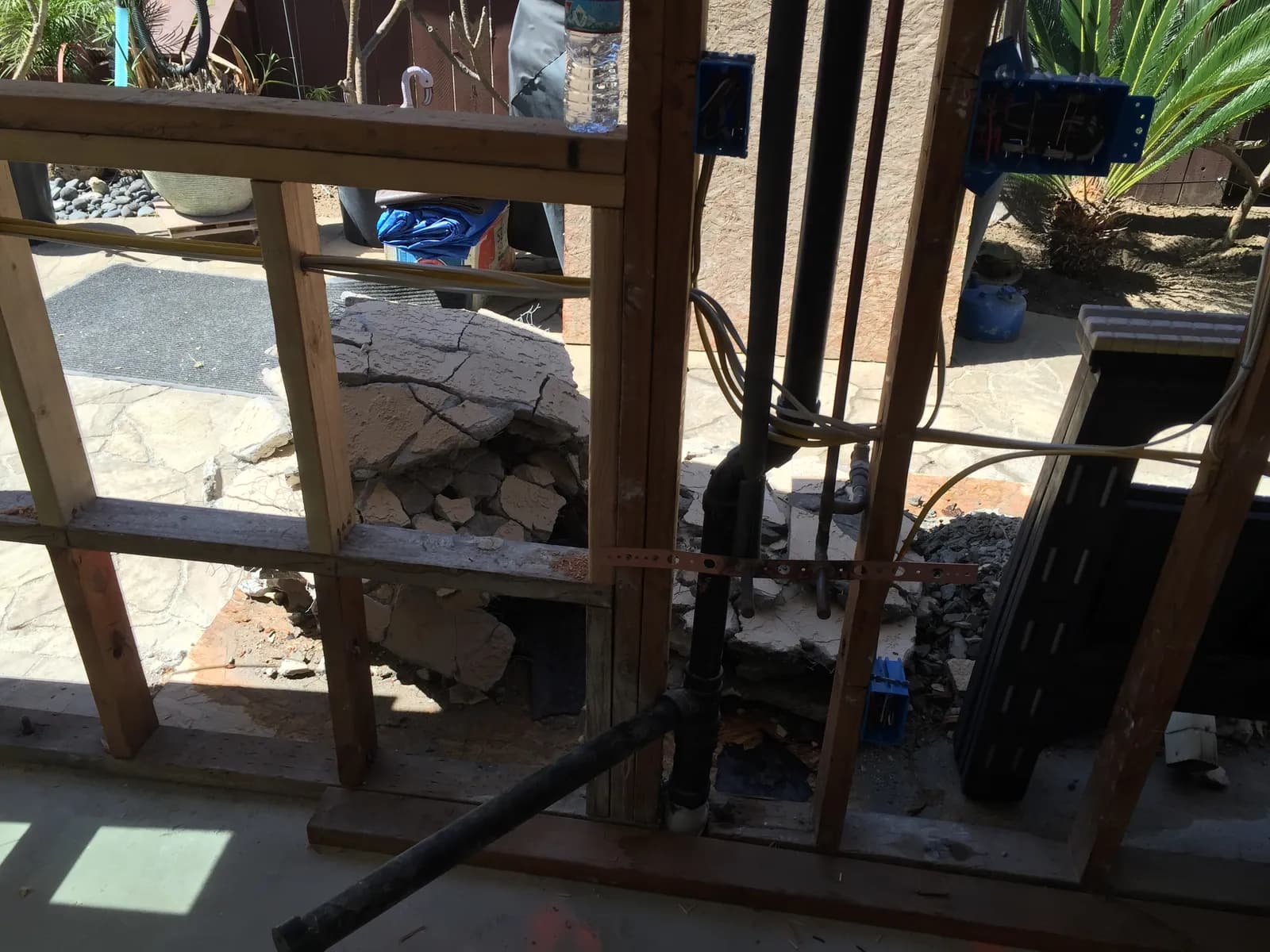
That curve matters because "moving out" doesn't have to mean the whole project. Plenty of clients stay elsewhere for the first three or four weeks, then move back once the house is weathertight and the worst dust is behind them. Others do the reverse: they live through the rough phases just fine, then decamp for the two weeks of floor refinishing, when the fumes and the no-walking-zones make the house genuinely unusable. Ask your builder to flag those windows on the schedule before you decide anything.
When staying works
If the project touches one zone of the house — a primary bath, a kitchen, a room addition grafted onto the back — staying put is usually manageable. The recipe: a sealed construction zone with its own access, one full working bathroom outside the work area, and a temporary kitchen setup somewhere sane. San Diego helps here more than most places; when it's 72 and clear from May through October, a patio with a grill and a folding table is a genuinely pleasant substitute kitchen. We've collected our best coping strategies in a survival guide to living through a remodel.
When going is the right call
Some projects make staying miserable or impossible, and it's kinder to say so up front:
- Whole-home remodels where every bathroom is offline at some point
- Second-story additions, which open the roof and rattle the entire structure
- Foundation or repiping work that shuts down water and power repeatedly
- Households with a newborn, a night-shift sleeper, or anyone with respiratory sensitivities — construction dust is managed, never eliminated
There's also a quieter argument for leaving: crews move faster in an empty house. No daily cleanup to living-standard, no working around nap schedules, no sequencing the plumbing shutoff for after the morning showers. On a large project, that efficiency can claw back real weeks.
Run the actual math
Temporary housing feels like an extra cost, but compare it honestly. Weigh the rent for a short-term place against the value of a faster schedule, and weigh both against the wear of months of takeout, earplugs, and negotiating with a shop vac for your own hallway. For a six-week bathroom, staying almost always wins. For an eight-month whole-home transformation, most families who moved out tell us it was the best money they spent.
Whichever way you lean, decide early — summer and fall rentals near the coast get scarce, and your builder can sequence the project around your choice. Tell us what you're planning: request a consultation or give us a call — we'll help you figure out whether your remodel is a stay-home project or a suitcase project before you commit to either.
Design · Build · Integration
Let's build something beautiful.
Call (619) 334-3322 or request your free design-build consultation.