
Living in Your Home During a Remodel: A Survival Guide
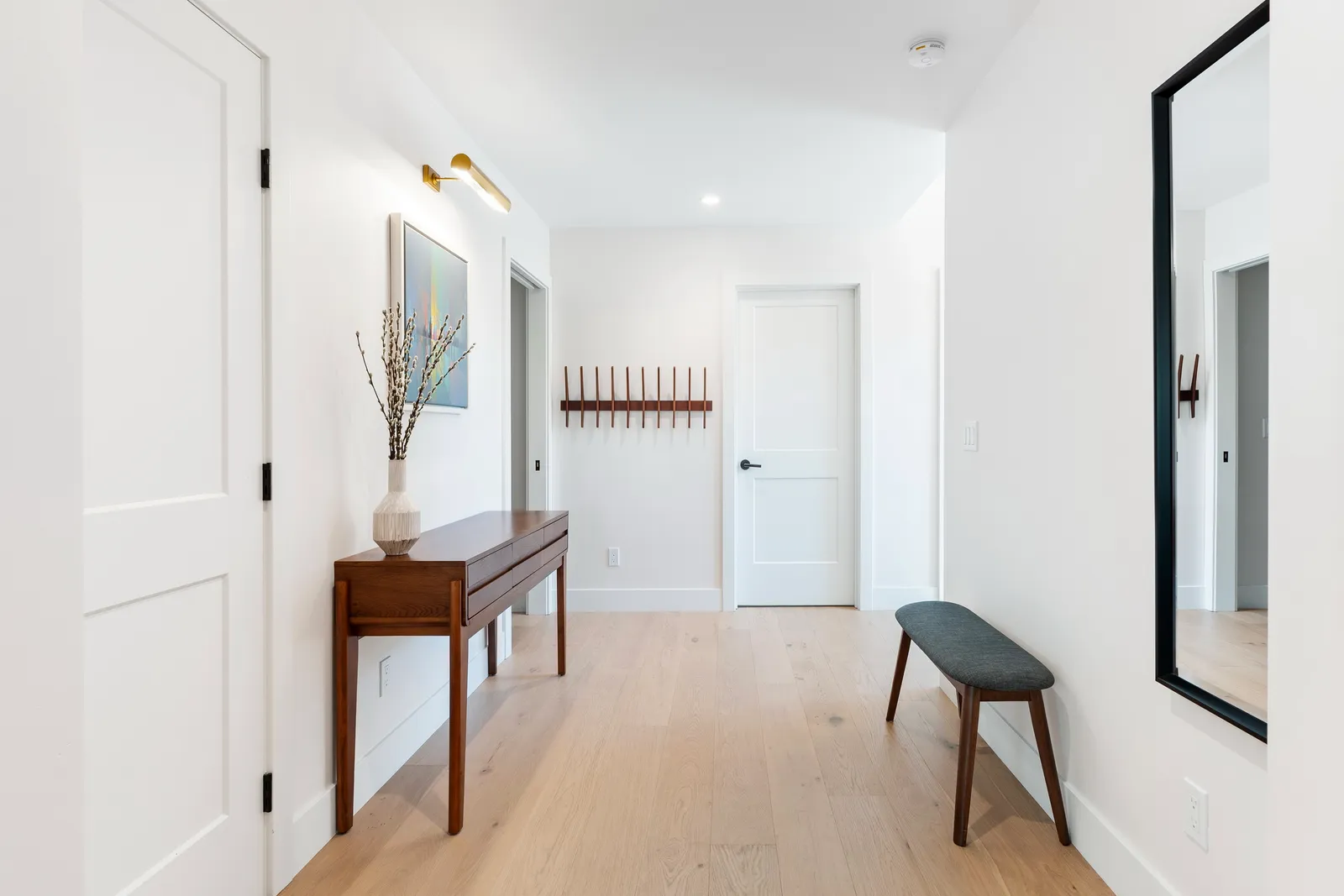
"Can we live here while you work?" It's one of the first questions every homeowner asks, and the honest answer is: usually yes, with a plan — and occasionally no, and you'll be glad someone told you early.
We've guided hundreds of San Diego families through occupied remodels, and the difference between a manageable few months and a miserable one almost never comes down to luck. It comes down to decisions made before the first hammer swings.
Set up the temporary kitchen like you mean it
If your kitchen is in the project scope, the temporary kitchen is not an afterthought — it's your quality of life. Claim a corner of the dining room or garage and give it real infrastructure: the fridge, the microwave, a countertop convection oven, an electric kettle, and one folding table for prep. Put it near a sink you can still use, even if that's the laundry room or a bathroom.
Two San Diego advantages worth using: the grill and the weather. A summer remodel means months of outdoor cooking on the patio, which is a genuine morale saver. Families who lean into it — paper plates, simple menus, dinner outside — consistently report an easier ride than the ones who try to keep cooking like nothing changed.
Dust is the real enemy
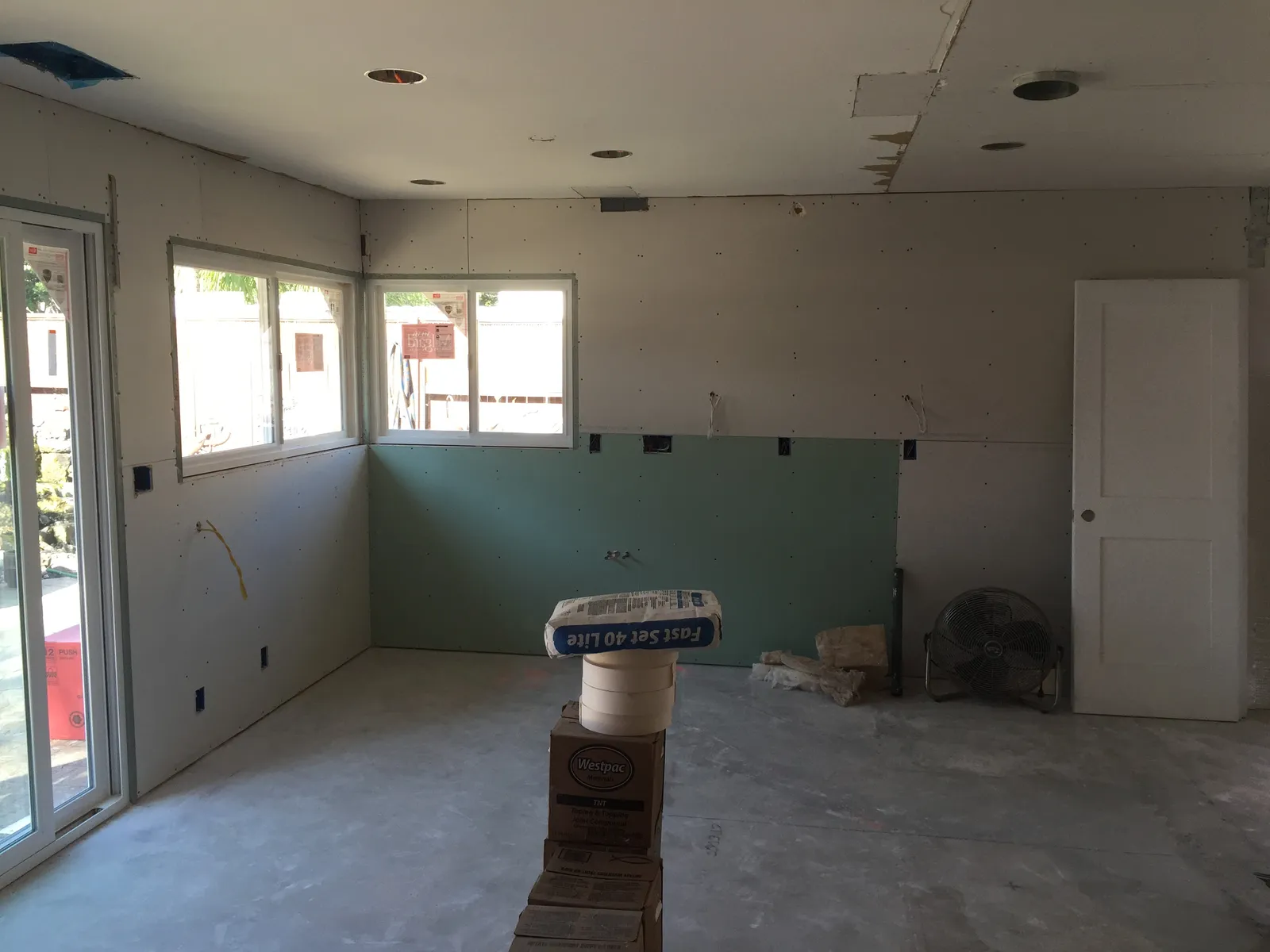
Noise ends at quitting time. Dust doesn't. Before demolition starts, a good crew builds sealed containment — plastic barriers with zippered doorways, protected floors along the work path, and filtration running in the work zone. We walk through all of it before demolition week so there are no surprises.
Your side of the bargain:
- Move anything you love out of adjacent rooms; fine dust travels farther than you think.
- Cover closets near the work zone and keep their doors shut.
- Change your HVAC filter more often than usual, and ask the crew to seal registers inside containment.
- Accept that the marine layer's damp mornings mean windows stay closed sometimes — plan air flow with the crew, not against them.
Agree on the rules of the house
An occupied remodel is a shared workspace, and the friction points are predictable: start times, bathroom access, pets, parking, and who locks up. Settle them in writing before the job starts. Where will the crew park on street-sweeping day? Which bathroom is theirs? What time can saws start on a Saturday, if ever? A clear plan is part of what a good agreement covers — we touched on this in what to look for in a remodeling contract — and it's baked into our process precisely because it prevents the small resentments that sour a project.
One more rule that helps more than any other: schedule a standing weekly walkthrough. Questions get answered in batches, decisions get made on time, and you stop feeling like a stranger in your own house.
When moving out is the right call
Some projects shouldn't be lived in. If the work touches every bathroom at once, opens the roof, or reroutes the main plumbing and electrical for weeks, temporary housing usually costs less than it seems once you weigh the schedule benefit — an empty house lets trades work faster and longer. For phased whole-home projects, a hybrid works well: stay for the early phases, decamp for the brutal middle stretch, return for finishes.
Either way, the goal is the same — you should end the project still loving the house and still speaking warmly of your contractor. Tell us what you're planning or give us a call — we'll be straight with you about whether your project is a stay-or-go, and build the plan around your answer.
Design · Build · Integration
Let's build something beautiful.
Call (619) 334-3322 or request your free design-build consultation.