
The Anatomy of a Remodeling Contract: What to Look For
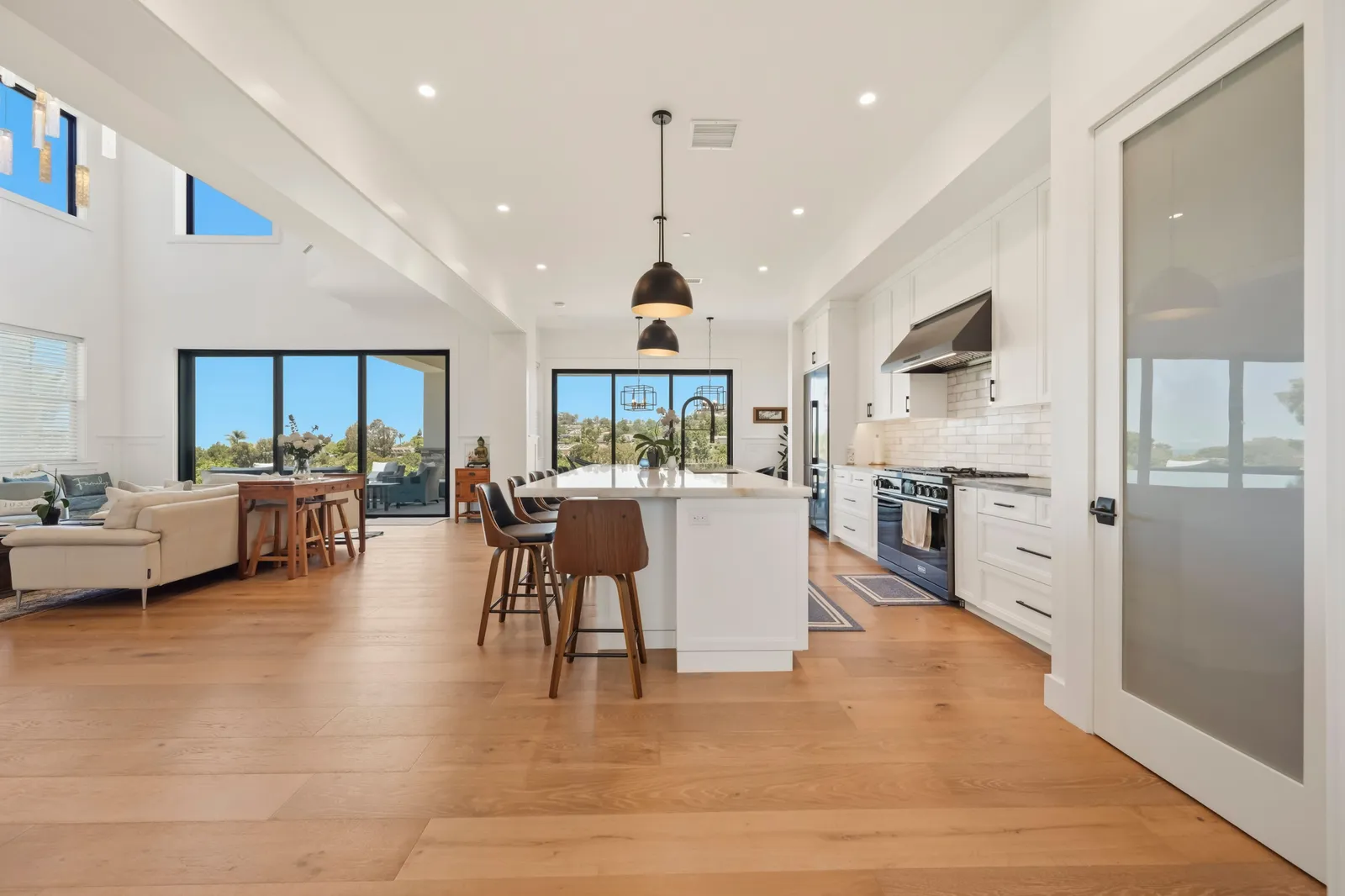
Happy New Year. If remodeling made your list of resolutions, there's a document standing between you and demo day that deserves more attention than it usually gets: the contract. Most homeowners skim it. The ones who've remodeled before read every line — because they've learned that a remodel goes the way its contract is written.
Here's what a good one contains, in plain English.
The scope: specific beats long
The heart of any remodeling contract is the scope of work, and the test is simple: could a stranger read it and know exactly what you're getting? "Remodel kitchen" is not a scope. A real scope names the rooms, the work in each, the selections (or the process for making them), and — just as importantly — what's excluded. Vague scopes aren't always sinister; sometimes they just mean the planning wasn't finished. Either way, gaps in the scope become change orders later, which is why we do so much definition work before construction ever starts.
Money: payments tied to progress, allowances spelled out
California law caps the down payment a contractor may collect, and a trustworthy payment schedule ties every payment after that to completed milestones — not to dates on a calendar. Watch the allowances, too: those placeholder amounts for tile, fixtures, and counters. Realistic allowances make a bid honest; lowball allowances make it look cheaper than it will ever actually be. Ask how each allowance figure was chosen.
Change orders, timeline, and who you call
Three more sections worth reading twice:
- Change orders. Every change should be written, priced, and signed before the work happens. If the process isn't in the contract, it'll be improvised — badly — mid-project.
- Timeline. Look for a start date, a substantial-completion target, and language about what happens when surprises (an old house's specialty) shift it.
- A single point of contact. Who answers your questions and owns the schedule? A contract that never names one is telling you something — we've written before about why one point of accountability matters more than almost anything else.
And of course: license number, insurance certificates, and warranty terms, in writing.
The contract is a preview of the relationship
Here's the larger truth: how a builder handles the contract is how they'll handle the project. Clear, patient, and specific now means clear, patient, and specific in March when a wall is open. If a contractor rushes you to sign, resents questions, or waves at details "we'll figure out later," believe them. (Our list of questions to ask before hiring a design-build firm pairs well with this one.)
If this is the year you finally take on the project, start the conversation early — good contracts come from unhurried planning. Request a consultation or give us a call — we'll walk you through our agreement line by line, and happily.
Design · Build · Integration
Let's build something beautiful.
Call (619) 334-3322 or request your free design-build consultation.