
Wine Storage: From Racks to Cellars
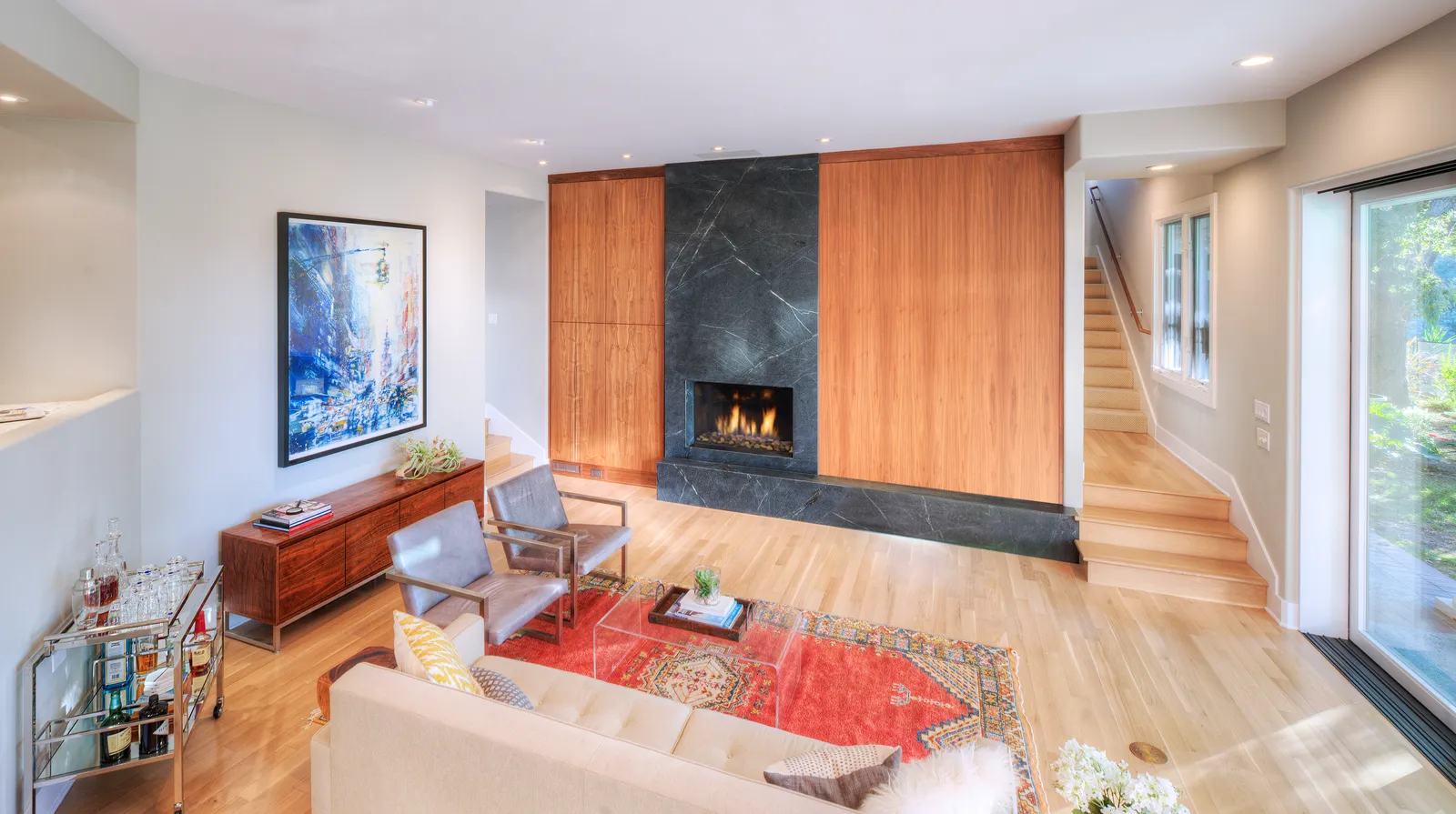
Somewhere between the countertop rack that holds six bottles and the stone cellar of your imagination lies the wine storage you actually need. Most homeowners guess wrong in both directions — building less than their collection deserves, or building a showpiece for a collecting habit they don't really have.
So before any design talk, one honest question: do you drink wine or do you keep wine? Bottles opened within a few months of buying need convenience and good looks. Bottles meant to sleep for years need stable temperature, humidity, and darkness. Those are two different projects, and plenty of homes deserve a bit of both.
The enemy list: heat, light, and swing
Wine's enemies are simple — heat, UV light, vibration, and above all fluctuation. That last one is where San Diego lulls people. Our mild coastal average hides real swings: a west-facing room that bakes on a Santa Ana afternoon, a garage that cycles twenty degrees between marine-layer morning and September heat. A pretty rack on top of the fridge — warm, bright, vibrating — is the single worst spot in the house. For anything you'll drink within the year, an interior wall away from windows and appliances is genuinely fine.
Display storage: wine as architecture
For the drink-it-soon collection, storage can be gorgeous and unconditioned. Backlit bottle niches in a dining room wall, a rack column built into kitchen cabinetry, cubbies flanking a fireplace wall — these turn bottles into texture the way bookshelves turn a room into a library. This tier pairs naturally with the bar projects we covered in Designing a Home Bar or Entertaining Wall; the wine display is often the entertaining wall's best feature.
Conditioned storage: from a column to a room
Once bottles are meant to age, refrigeration enters the picture — in three escalating sizes:
- Undercounter or column wine fridges slide into a kitchen remodel or pantry and cover most households completely. Dual zones handle reds and whites at their own temperatures.
- A conditioned closet — an underused closet or a stair-adjacent nook fitted with insulation, a vapor barrier, a small cooling unit, and racking — stores several hundred bottles in the footprint of a coat closet. It's often the best value in wine storage, and a natural add-on when nearby walls are already open; it also shares DNA with the hardworking spaces in The Butler's Pantry Comeback.
- A true walk-in cellar is a small construction project: dedicated cooling, sealed and insulated on every side, with a proper glass door. Done right, with a glass wall facing a dining room, it's as much a design statement as a storage room.
One note for our climate: San Diego homes rarely have basements, so cellars here live above grade — which makes the insulation and vapor detailing more important, not less. That's build-quality work, not decor work.
Match the build to the habit
Our advice runs contrary to the glossy photos: build one size smaller than your ambition and one notch nicer than you think you need. A beautifully lit hundred-bottle wall you actually use beats a half-empty cellar. And if your collection grows into the bigger build later, the design can plan for that now — a closet roughed in for future cooling costs little while the walls are open.
Dreaming about where the bottles would go in your house? Start the conversation or give us a call — we'll design wine storage that fits the way you actually pour.
Design · Build · Integration
Let's build something beautiful.
Call (619) 334-3322 or request your free design-build consultation.