
Why Window Placement Matters More Than Window Count
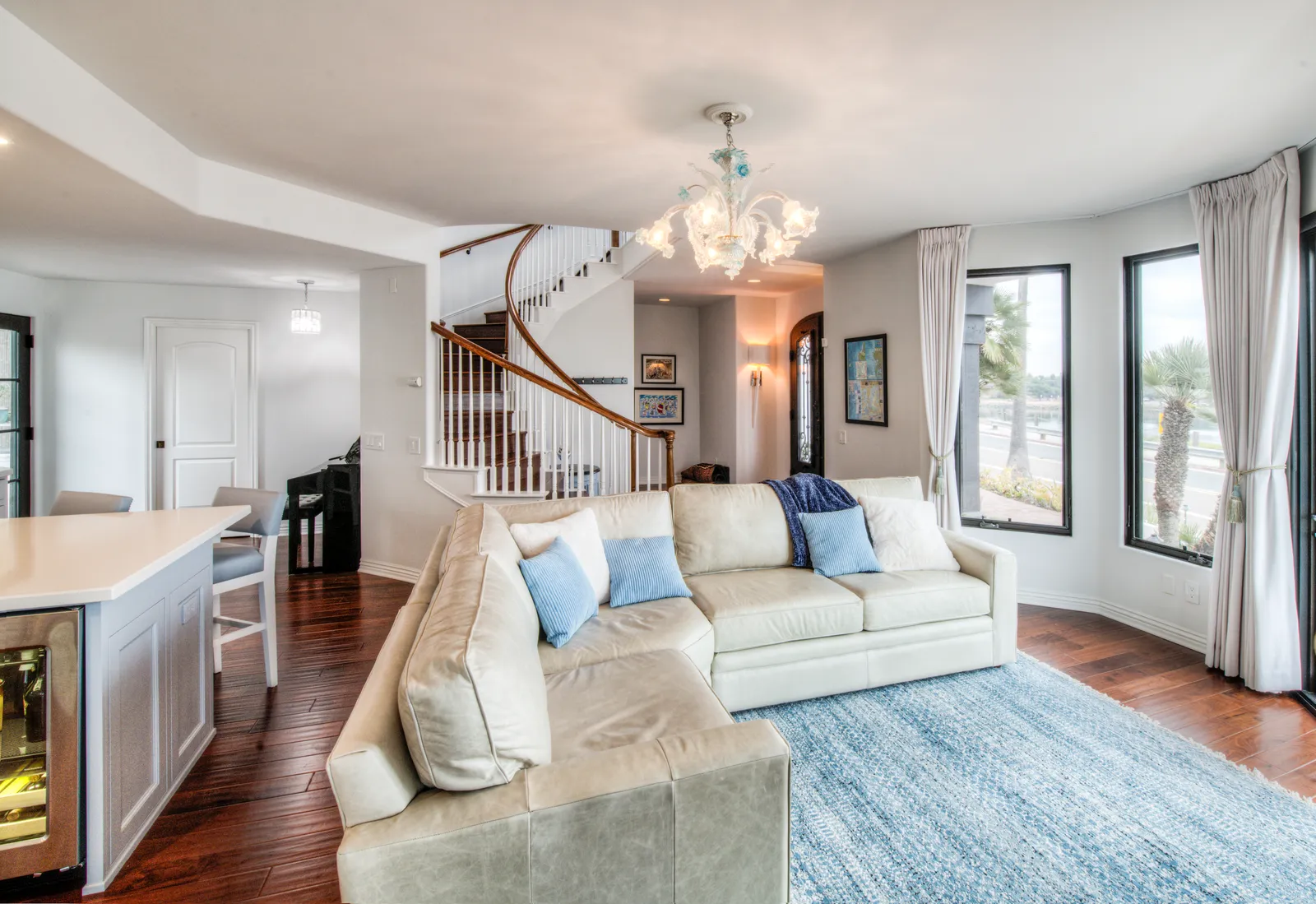
Walk through two houses on the same street in Clairemont. One has a wall of windows and still feels dim by mid-afternoon. The other has half as much glass and glows all day. The difference isn't how many windows each house has — it's where they are.
When homeowners tell us they want a brighter home, the instinct is almost always "add more windows." Sometimes that's the answer. More often, the answer is smarter windows: better placed, better sized, and aimed at the right sky.
Orientation is the whole ballgame
In San Diego, north-facing glass gives you soft, even light all day with almost no heat penalty — it's the light artists chase. South-facing windows get generous winter sun and are easy to shade in summer with a modest roof overhang. East gives you cheerful mornings; west gives you glare, heat, and faded upholstery, especially inland where summer afternoons are no joke.
A lot of our local housing stock — 1950s and '60s ranches especially — was laid out to face the street, not the sun. So the biggest windows often end up on the worst orientation. When we take a home down to the studs in a whole-home remodel, rebalancing the glass toward north and south is one of the highest-impact moves on the drawing board, and one nobody notices in the finished photos. They just notice the light.
Light from two sides changes everything
Here's a rule worth memorizing: a room lit from one side always has glare, because your eye is constantly adjusting between the bright window wall and the dim opposite wall. A room lit from two sides — even if the second source is small — feels calm and evenly lit. That second source doesn't have to be a window at all. A clerestory, a transom over a door, or a well-placed skylight can do the job; we compared the overhead options in Natural Light: Skylights vs. Solar Tubes.
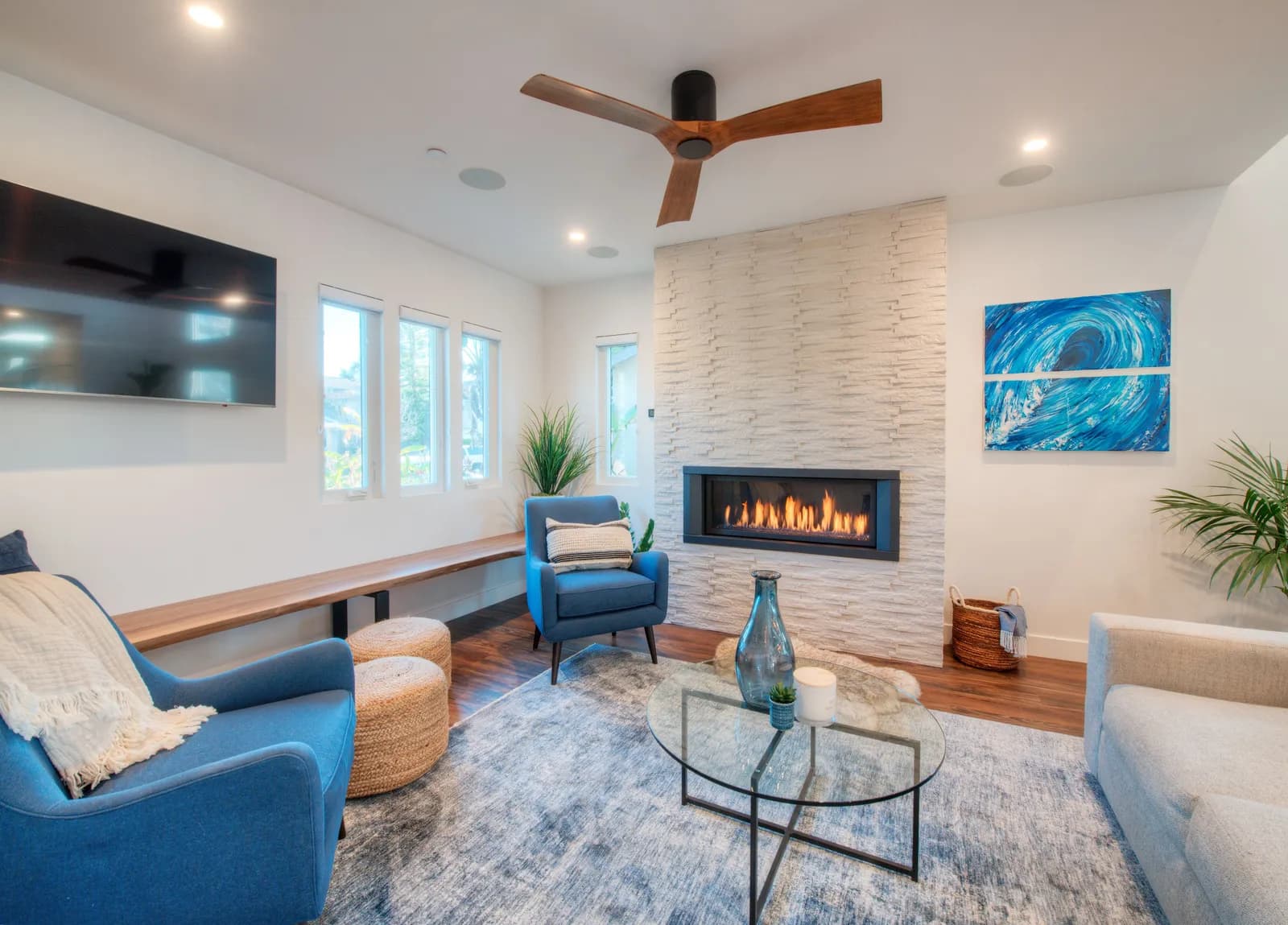
Higher glass, deeper light
Daylight penetrates a room roughly one and a half to two times the height of the window's top edge. Raise the head of a window from the standard height to just below the ceiling and the light reaches several feet deeper into the room — with the same amount of glass. This is why transoms and clerestories punch so far above their weight, and why a short, high strip of glass can brighten a hallway or stair better than a full-height window that mostly lights the floor.
High glass has a second virtue: privacy. On tight lots in North Park or Ocean Beach, where your neighbor's wall sits fifteen feet away, clerestories bring in sky without bringing in sightlines.
Windows frame views — and hide them
Placement is also about what you see. A window centered on a room's axis turns a backyard tree into a picture; the same window shifted three feet turns it into a view of the fence. When we plan a remodel, we stand where the kitchen sink will be, where the bed will be, where the sofa will face, and place glass for those exact positions. It's the same discipline we bring to sight lines and flow inside the house: the invisible decisions are the ones you feel every day.
None of this shows up in a window count, which is exactly the point. A remodel that adds ten windows can underperform one that moves four.
If your home has plenty of glass but never quite feels bright, the fix is probably placement, not quantity. Request a consultation or give us a call — tell us which rooms feel dark, and we'll show you where the light should come from.
Design · Build · Integration
Let's build something beautiful.
Call (619) 334-3322 or request your free design-build consultation.