
The Problem With Chasing Three Bids
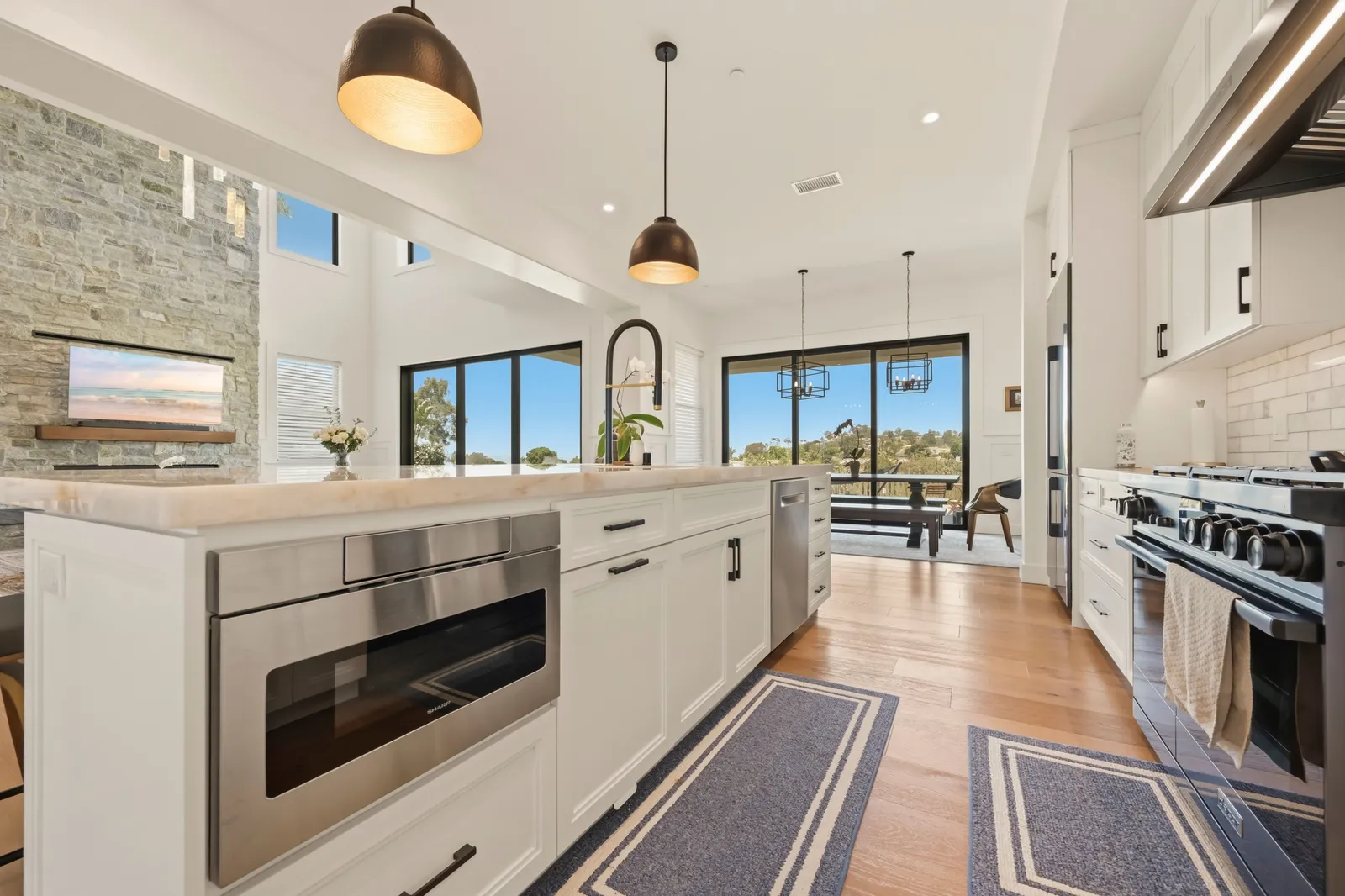
Somewhere along the way, "get three bids" became gospel. Your uncle says it, the internet says it, and it sounds like the responsible thing to do before a remodel. For a straightforward, fully specified job — a reroof, a fence — it works fine, because everyone is pricing the same thing.
A kitchen or whole-home remodel is not that. And this is the part most homeowners learn the expensive way: when the scope isn't pinned down, three bids don't give you three prices for the same project. They give you three different guesses about three different projects, all wearing the same address.
Apples, oranges, and things left out
Ask three contractors to bid your kitchen from a walkthrough and a wish list, and each will make dozens of silent assumptions. One includes electrical panel work; one assumes your panel is fine. One carries an allowance for mid-range counters; another quietly prices the cheapest slab in town. One excludes drywall patching in adjacent rooms and figures you'll never notice — until the change order arrives.
The bids come back thousands apart, and the spread tells you almost nothing about who's expensive. It tells you who assumed what. We wrote earlier this year about why detailed estimates beat round numbers, and this is the same disease in a different jacket: a number without a defined scope is a fiction with a dollar sign.
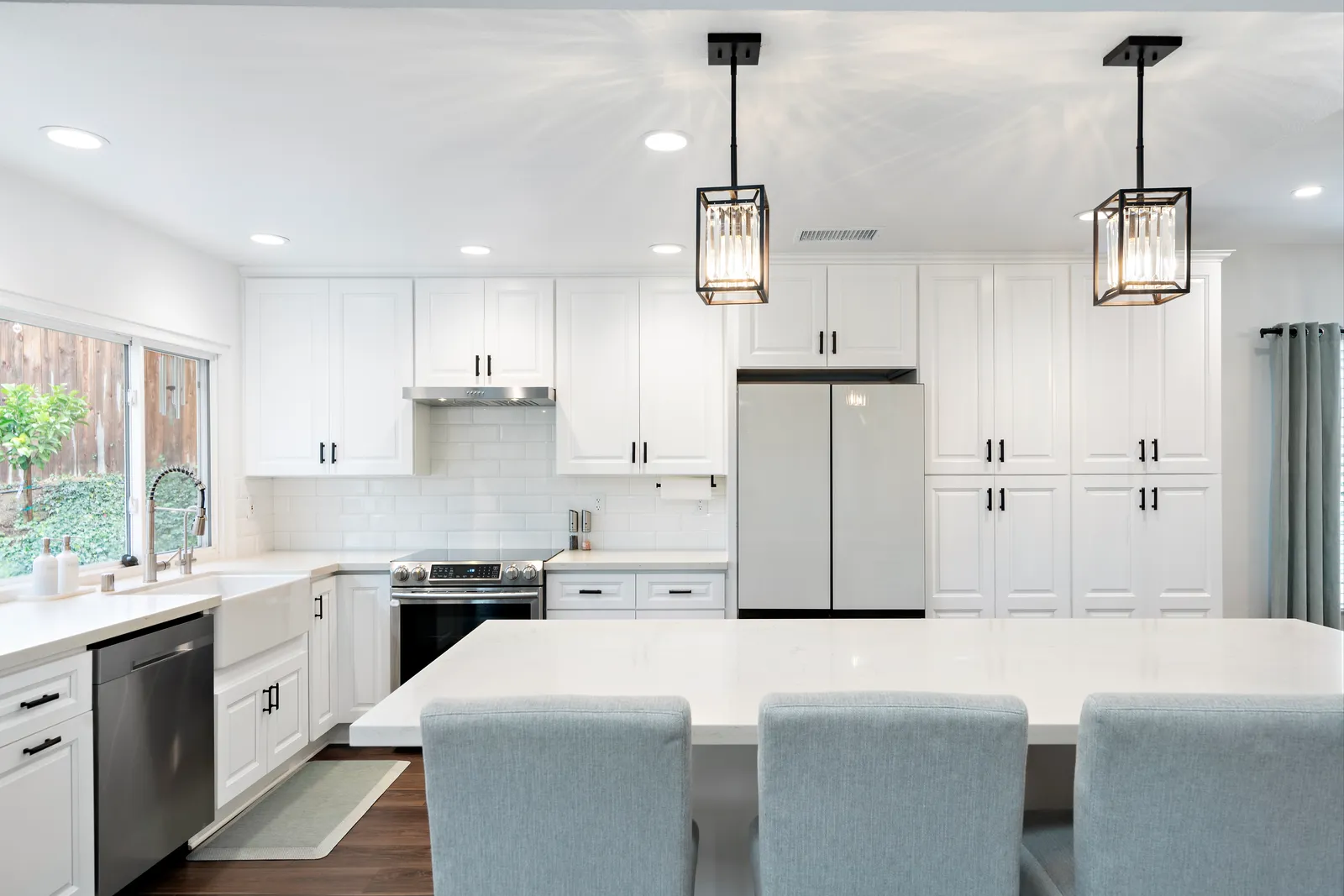
The low bid has a plan for you
Here's the uncomfortable mechanics of bid-shopping: everyone involved knows the lowest number often wins. That rewards the bidder who leaves the most out. The gaps get back-filled during construction as change orders, when you have a demolished kitchen and no leverage. The "cheapest" bid frequently finishes as the most expensive project — and almost always as the most stressful one.
That's not to say every low bid hides a trap, or every high one signals quality. It's that the number alone can't tell you which is which. Only the scope behind it can.
What to compare instead
If you do collect multiple proposals, put the bottom lines aside for a moment and compare:
- Scope specificity. Does it name what's included room by room — and what's explicitly excluded?
- Allowances. Are they realistic for the finish level you actually want, or placeholders designed to look cheap?
- Who's doing the design. A design-build firm resolves layout, selections, and engineering before pricing, so the number reflects a real, buildable plan. That's the backbone of our process.
- The paper trail. License, insurance, a written schedule, and a payment structure tied to completed milestones — we've explained how payment schedules protect both you and your builder.
- References you can walk through. Photos are marketing; a homeowner two years out is evidence.
Buying a partner, not a price
With rates where they've been, more San Diego families are choosing to remodel rather than trade up — which makes the stakes higher, not lower. You're not buying a commodity; you're choosing the team that will be in your home for months, making a thousand small decisions on your behalf. The right question isn't "who's cheapest?" It's "whose number do I actually believe, and who do I trust in my house?"
If you'd rather start with a real plan than a stack of guesses, request a consultation or give us a call — we'll show you exactly what's behind our numbers before you commit to anything.
Design · Build · Integration
Let's build something beautiful.
Call (619) 334-3322 or request your free design-build consultation.