
Level 5 Drywall and Other Finish Grades, Explained
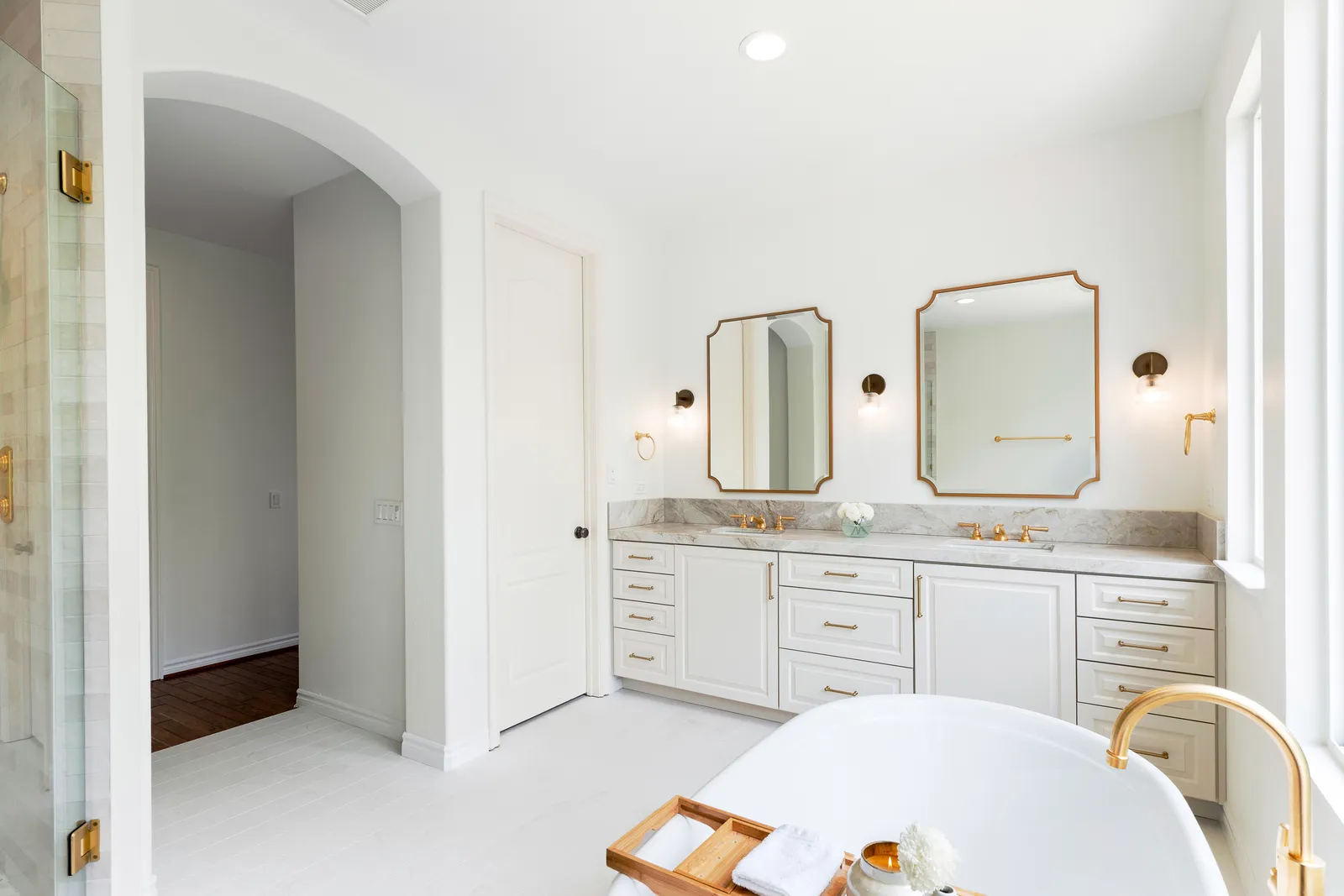
Walk into two freshly painted rooms — same paint, same color, same painter — and one can still look noticeably better than the other. The difference usually isn't the paint at all. It's what happened before the paint: how the drywall underneath was finished. And unlike most construction quality, this one has an actual industry grading scale, from Level 0 to Level 5.
Most homeowners have never heard of it, which means most homeowners can't ask for it. So here's the translation.
The scale, in plain English
The drywall trade defines six finish levels. You only need to understand them in broad strokes:
- Levels 0–2: Board hung and seams taped, little more. Fine for garages, attics, and walls that will be tiled over — there's no reason to pay for polish that thinset will cover.
- Level 3: Joints and screws coated, surface ready for heavy texture. Common in tract construction.
- Level 4: The standard residential finish — seams and fasteners smoothed with additional coats, ready for light texture or flat paint. Done well, Level 4 is what most people picture as "normal good walls."
- Level 5: Everything in Level 4, plus a thin skim coat of joint compound over the entire wall surface, so paint lands on one perfectly uniform material instead of a patchwork of paper and compound.
That last step is the one worth understanding, because it's the difference between walls that look fine and walls that look like they were poured.
Why San Diego light is so unforgiving
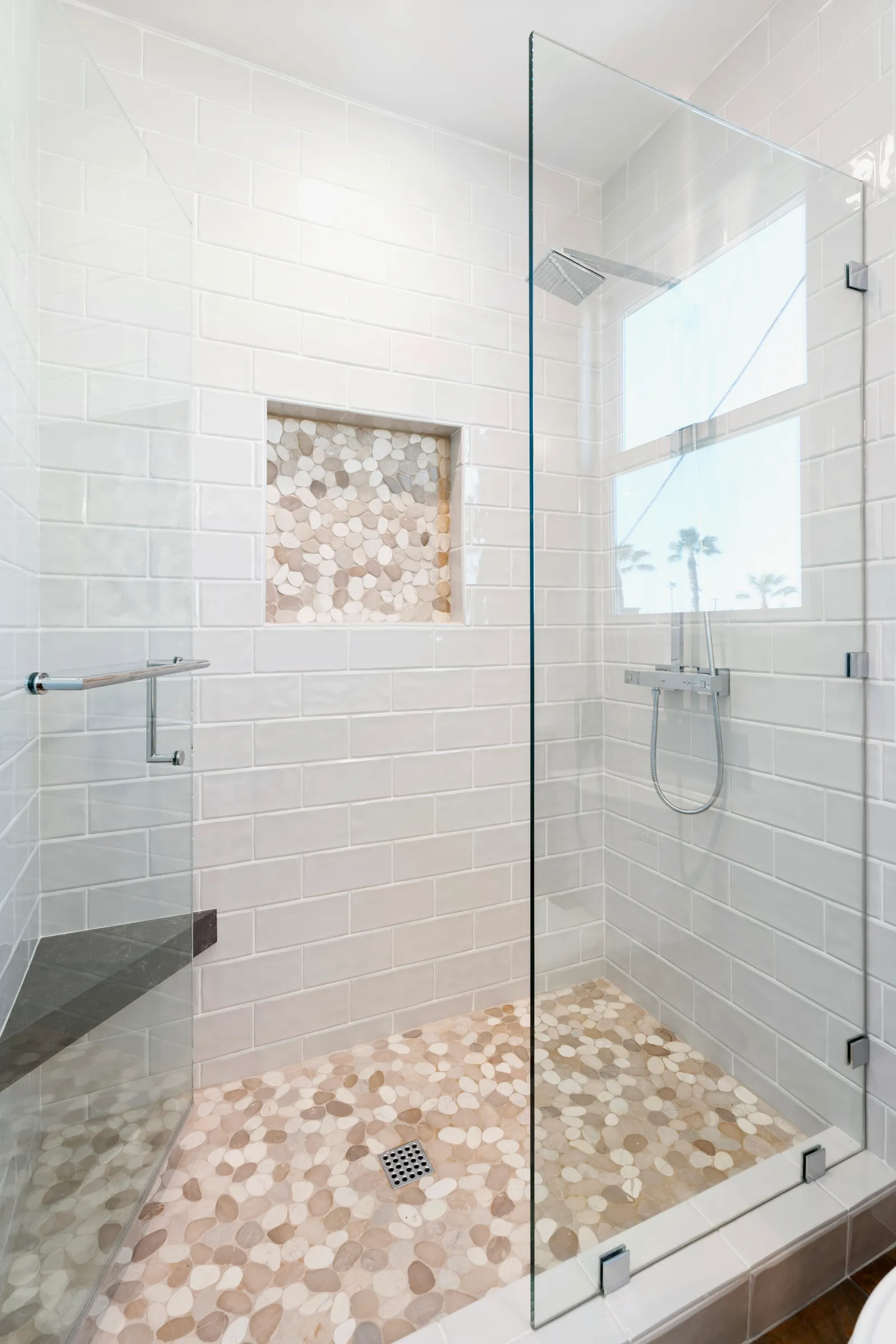
Here's the local wrinkle. The look everyone wants right now — smooth walls, big glass doors, low-slung western light pouring across the room — is precisely the combination that exposes drywall work. Raking light, the kind that skims along a wall from a wide slider or a west-facing window at 4 PM in November, turns every ridge, joint shadow, and fastener dimple into a relief map. Heavy texture used to hide all of this, which is partly why so much of our midcentury housing stock got sprayed with it. Strip a Bay Park ranch down to smooth modern walls, flood it with light, and suddenly the substrate has nowhere to hide. Smooth wall plus strong side light is a Level 5 situation, full stop.
Where each level actually belongs
You don't need Level 5 everywhere — that's the honest part. A sensible remodel mixes grades room by room: skim-coated perfection in the great room and primary suite where light rakes and sheen rises, standard Level 4 in bedrooms and hallways with forgiving light, minimal finish behind tile and inside closets. Glossier paints and darker colors show more, so bump the level where you're planning either. This is exactly the kind of where-to-spend judgment we talked about in design trends versus timeless choices: put the money where your eye will live.
Two more things worth knowing. First, texture matching is its own craft — if you're patching into existing walls rather than replacing them, blending new drywall invisibly into a 1970s texture can take more skill than skimming a whole new wall. Second, drywall day is also your last chance at what's behind it; insulation and sound control between rooms have to be settled before the first sheet goes up, right after rough-in passes inspection.
How to talk about it with your builder
You now know enough to ask three useful questions: What finish level is in my scope, and where? Where will the strongest raking light hit, and is that wall getting a skim coat? And who checks the walls with a hard side light before paint? That last one matters most — the professional move is inspecting walls the way the afternoon sun will, not the way a ceiling fixture does. A builder who welcomes those questions is a builder who's finished walls for people who notice.
Walls are the biggest surface in your house; they deserve more than an afterthought at the end of a whole-home remodel. Planning a project where the finishes need to hold up in full daylight? Tell us what you're planning or give us a call — we'll build you walls that look as good at 4 PM as they do at noon.
Design · Build · Integration
Let's build something beautiful.
Call (619) 334-3322 or request your free design-build consultation.