
Give Thanks for Good Bones: What Older Homes Do Right
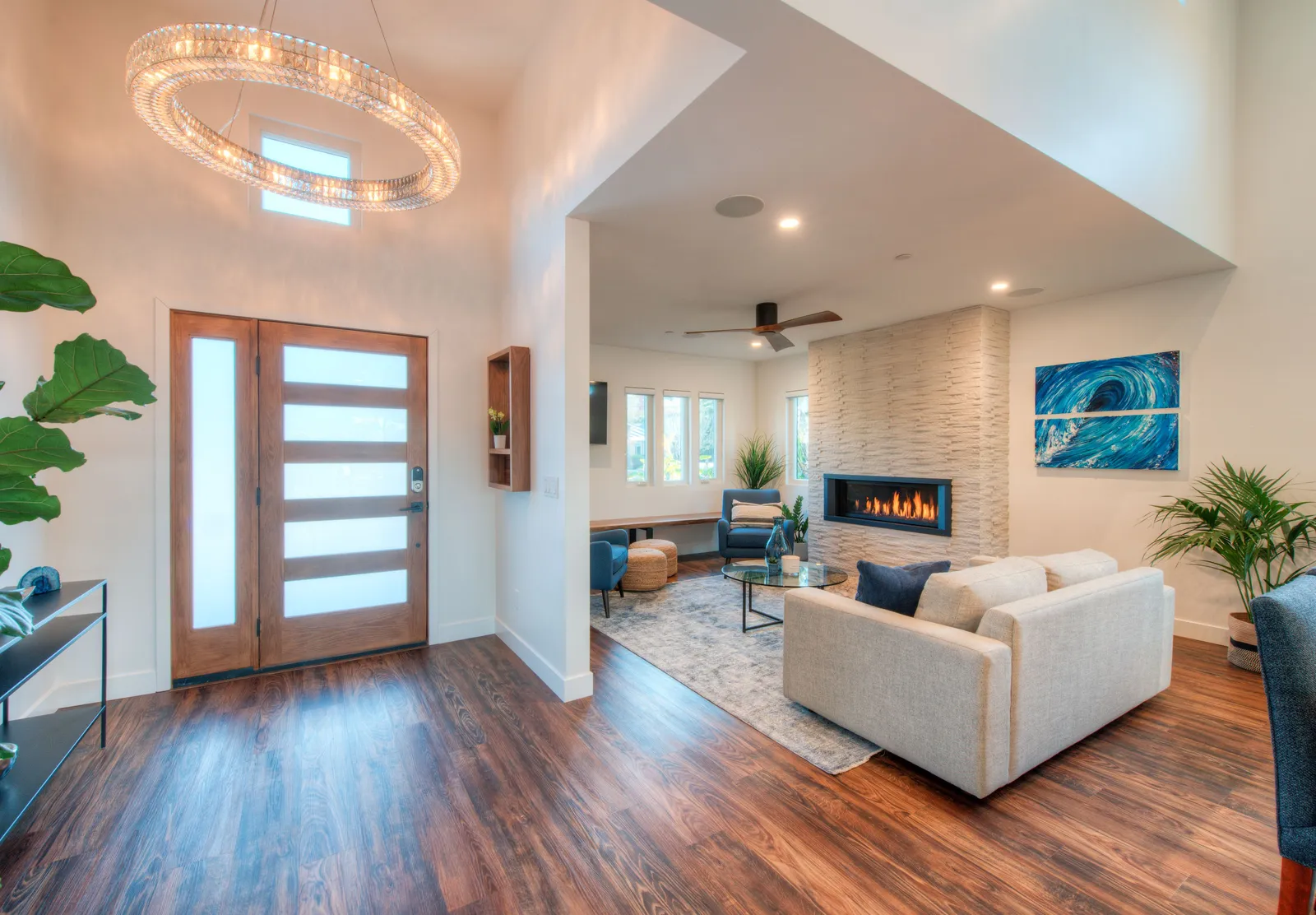
It's the week of Thanksgiving, so allow us a professional confession: we love older houses. Not in a sentimental, leave-everything-alone way — we remodel them for a living — but in the way a mechanic loves a well-built engine. When we open up a 1948 bungalow in Kensington or a 1962 ranch in Del Cerro, we're often struck by how much the original builders got right.
Homeowners tend to see only the flaws: the closed-off kitchen, the single bathroom, the electrical panel from another era. Those are real, and they're fixable. But before you catch yourself envying new construction, it's worth an honest inventory of what your older home already does better than most of what's built today.
Lumber they don't make anymore
Walk through a pre-1970s San Diego house under renovation and look at the exposed framing. The studs and joists are old-growth Douglas fir — dense, straight, tight-grained wood that's stronger and more dimensionally stable than the fast-growth lumber in modern framing packages. Sixty-year-old rafters routinely turn out to be in better shape than twenty-year-old ones, and old plaster walls, for all their cracks, stiffen a structure in ways drywall never will. When we plan a second-story addition, finding that kind of framing below is a genuine gift: it means the structure has real capacity to build on, and the engineering often turns out simpler than the owners feared.
Siting that respects the sun and the breeze
Builders before air conditioning had no choice but to design with the climate, and it shows. Older homes here tend to have generous eaves that shade summer sun, windows placed on opposite walls for cross-breeze, and floor plans that put living spaces where the light is kind. It's the same passive playbook we described in Cool Rooms Without AC: Passive Design for the Coast — except your house may have been doing it since Eisenhower. Many "stuffy old house" complaints trace to later modifications that broke this logic: an enclosed porch here, a blocked window there.
Rooms with actual proportions
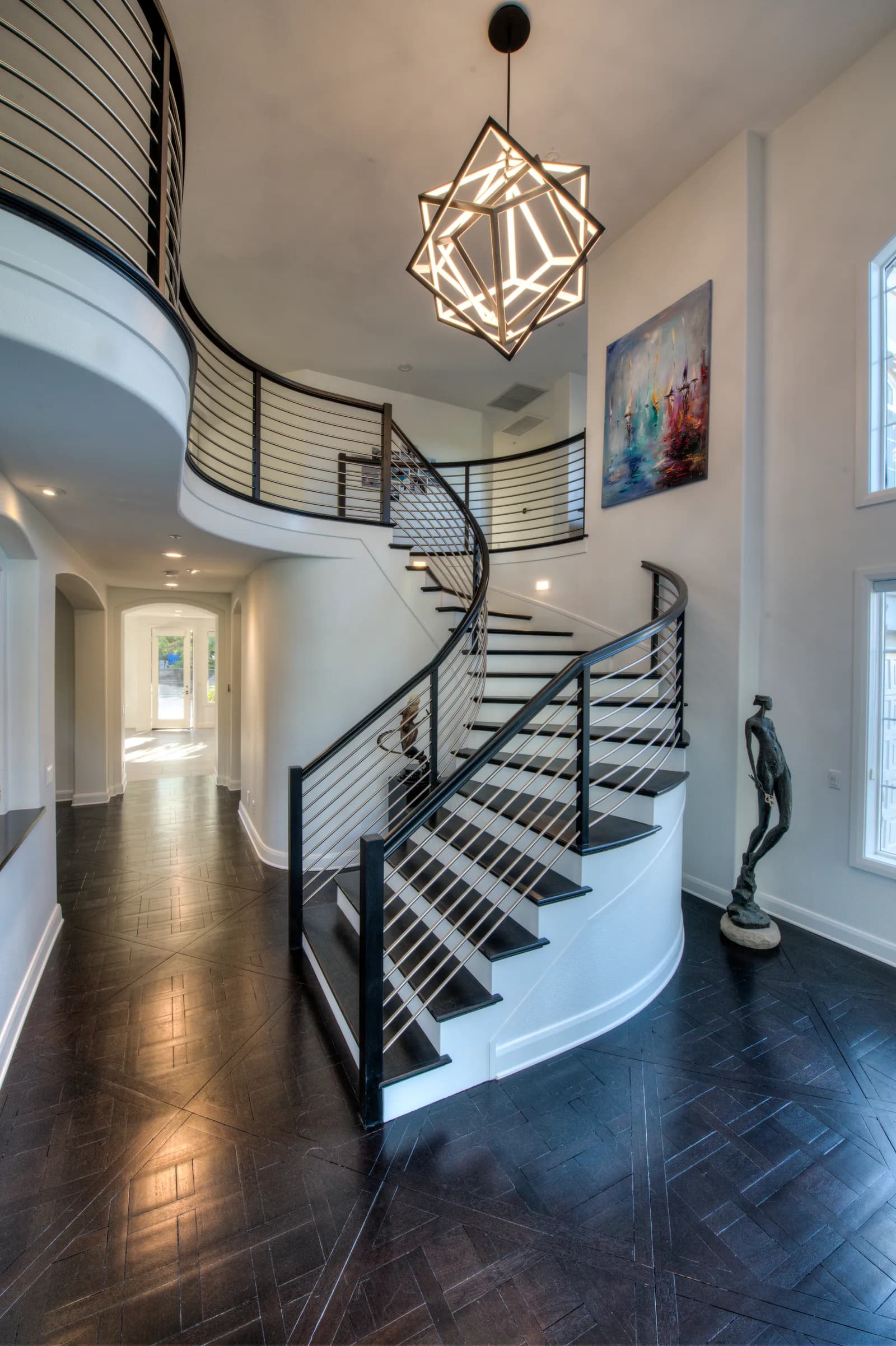
Spanish revivals in Mission Hills, Craftsman bungalows in North Park, midcentury ranches across the mesas — different styles, same underlying discipline. Ceiling heights, window sizes, and room dimensions relate to each other in ways that simply feel right when you stand in them. Add the craft details — coved plaster, built-in cabinetry, hardwood floors hiding under carpet, deep window sills — and you have character that can't be bought at any price in a new subdivision, because nobody builds it anymore. Buyers feel this even when they can't name it, which is part of why remodeled older homes in the established neighborhoods hold their appeal so stubbornly.
What they got wrong (and why that's fine)
None of this means older homes are perfect. The usual honest list:
- Kitchens designed for one cook, walled off from everything
- Too few bathrooms, and small ones at that
- Original wiring, plumbing, and insulation past their useful life
- No connection between indoor rooms and the yard
Notice what's on that list: layout and systems. Notice what isn't: structure, siting, proportion, character. The flaws of older homes are exactly the things a thoughtful whole-home remodel fixes, while the virtues are exactly the things a remodel should protect. That's the opposite of a teardown candidate — it's the ideal starting point.
Remodeling with the grain
The best projects we do treat an older house as a collaborator, not an obstacle. Keep the deep eaves and the cross-ventilation; open the kitchen to the dining room the original builder never imagined you'd want. Preserve the coved ceilings in the living room; gut the 1980s bathroom without a second thought. Update every wire and pipe; leave the old-growth bones proudly in place. The result is a home that lives like new construction and feels like nothing built this decade.
For a deeper look, see Whose House Hosts the Holidays? Designing for the Big Gathering.
So this Thanksgiving, somewhere between the turkey and the pie, give your old house a little credit. It's earned it. And if you're ready to fix what it gets wrong while honoring what it gets right, request a consultation or give us a call — we'll help your good bones live up to their potential.
Design · Build · Integration
Let's build something beautiful.
Call (619) 334-3322 or request your free design-build consultation.