
Cool Rooms Without AC: Passive Design for the Coast
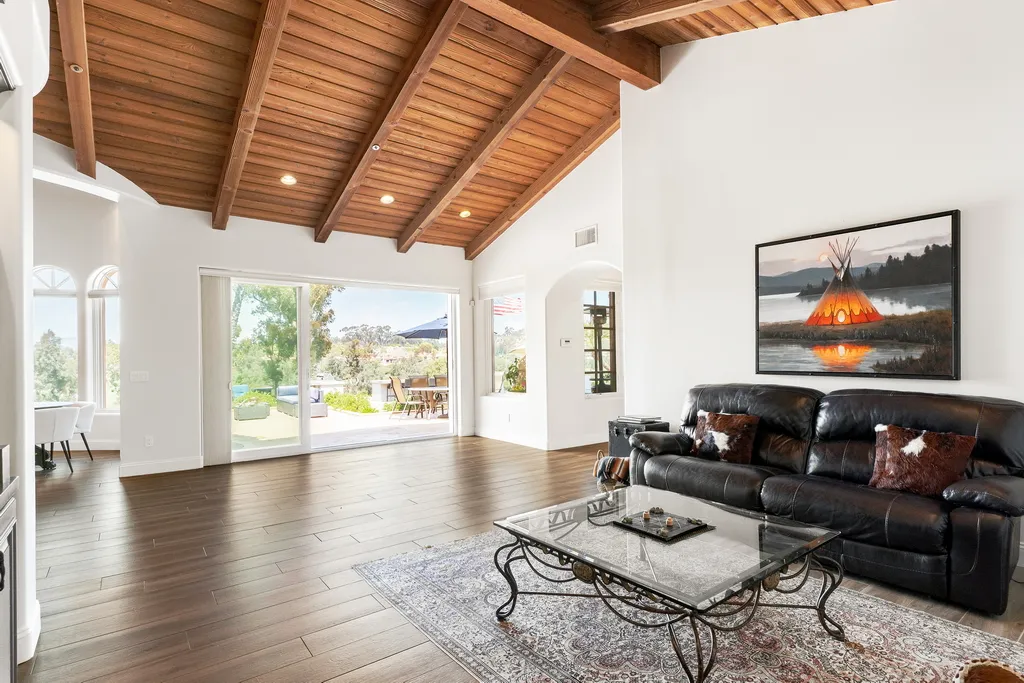
Drive through Point Loma or La Jolla on a warm August afternoon and you'll notice something curious: many of the most comfortable houses on the block have no air conditioning at all. Some were built that way seventy years ago; some were remodeled that way last year. Either way, they stay cool by working with the coast instead of against it.
Designers call this passive design, and it's less about equipment than geometry. If your home sits within a few miles of the water, these are the moves worth putting on the table before anyone starts pricing mechanical systems.
Shade is the cheapest cooling you'll ever own
Sunlight that never touches your windows never becomes heat inside your house. Deep roof overhangs, covered patios, pergolas, and well-placed trees intercept the high summer sun before it reaches the glass. West-facing rooms deserve special attention — the late-afternoon sun is low, direct, and relentless, and in beach neighborhoods it often bounces off the water for a second dose. In a remodel, extending an eave, adding a trellis over a west patio, or upgrading to better-performing glazing can tame a room that has run hot for decades.
Give warm air somewhere to go
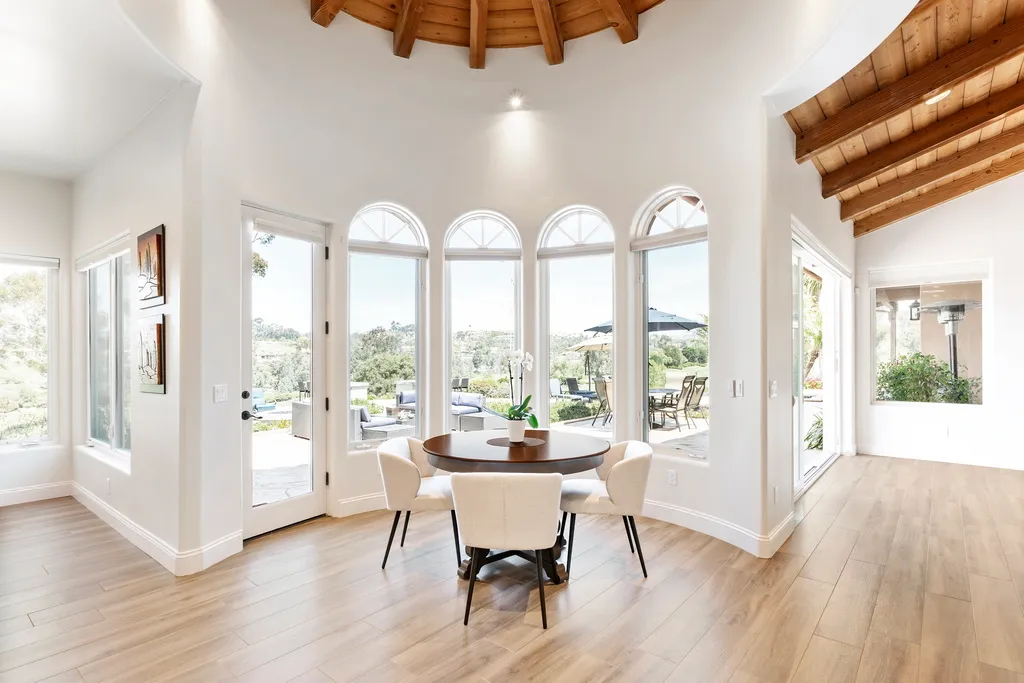
Heat rises, so put that to work. A vaulted ceiling isn't just visual drama — it lifts the warmest air well above head height, and an operable clerestory or high awning window lets it escape entirely. Pair high exhaust with low intake — a shaded window on the cool side of the house — and you've built a quiet, motorless thermostat. Ceiling fans finish the job on the stillest days.
Cross-ventilation is a floor plan decision
Nearly every summer afternoon, an onshore breeze arrives on schedule. Whether your house can use it depends on whether air has a path through: openings on opposite sides of a room, interior doorways that line up, window styles chosen for airflow rather than habit. We covered the fundamentals in Screens, Breezes, and Cross-Ventilation Basics; the short version is that ventilation is designed, not hoped for. San Diego's midcentury ranches — long, low, and one room deep — are natural candidates, which is one reason a thoughtful whole-home remodel can transform how one of these houses feels in summer without ever touching a compressor.
Mass, color, and the nightly reset
The marine layer is a gift. Most coastal nights drop into the 60s, and a house with some thermal mass — tile or concrete floors, stone counters — soaks up that coolness overnight and releases it slowly through the next day. Open up in the evening, close and shade in the morning, and the house coasts. Lighter roof and wall colors plus generous attic insulation keep daytime heat gain low enough that the cycle keeps working.
None of this is an argument against air conditioning — inland, or during a September heat wave, it earns its keep, and we walked through the mechanical side in Keeping Cool: Shading, Ventilation, and AC in a Remodel. But near the coast, the passive moves should come first, because they make every cooling dollar that follows work harder — or become unnecessary.
For a deeper look, see Labor Day Weekend Projects That Don't Ruin the Weekend.
If your house runs hot every August and you suspect the design is the culprit, we'd love to take a look with you. Request a consultation or give us a call — we'll show you how much cooler your rooms can be before you ever price an AC unit.
Design · Build · Integration
Let's build something beautiful.
Call (619) 334-3322 or request your free design-build consultation.