
Screens, Breezes, and Cross-Ventilation Basics
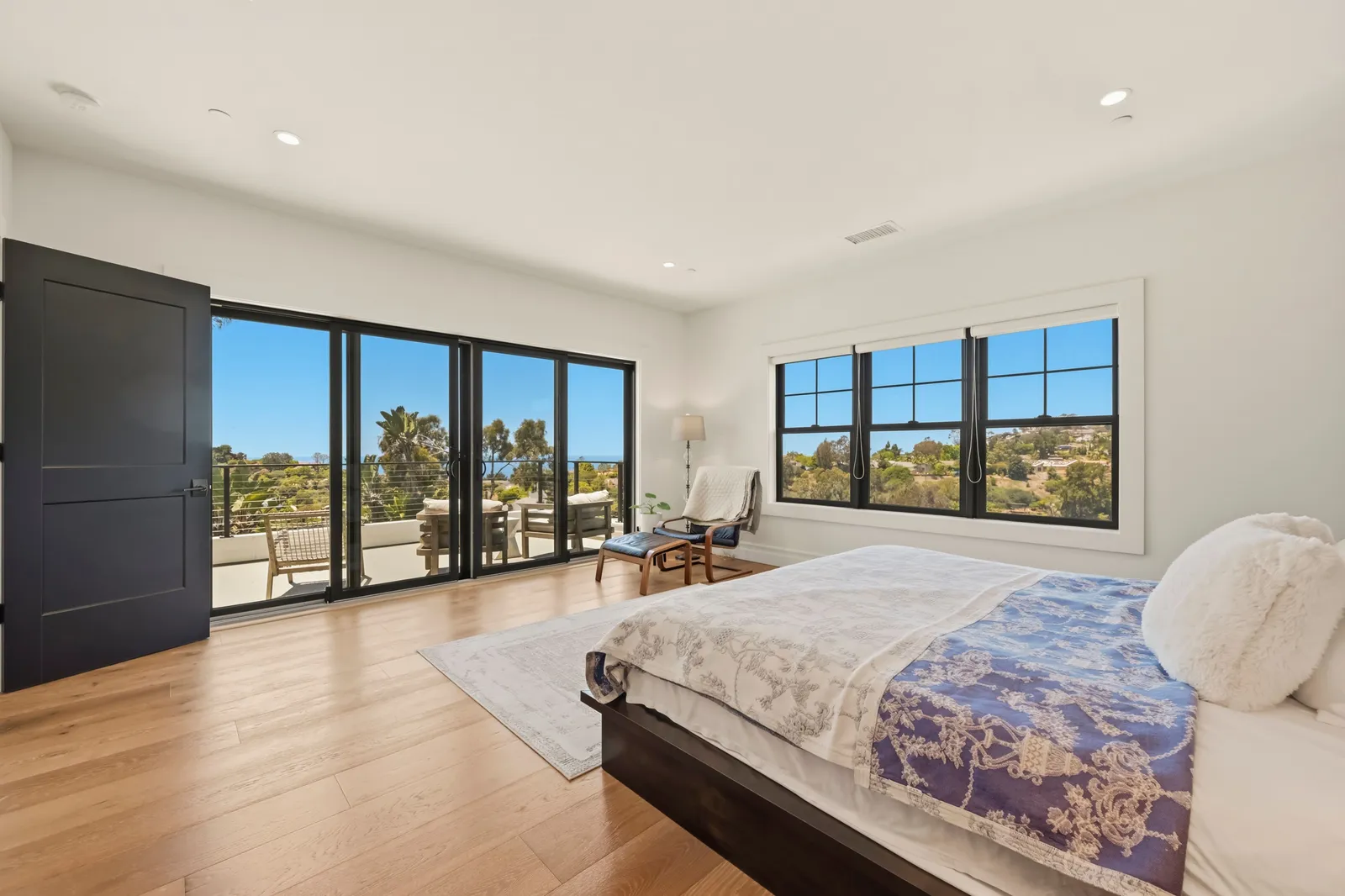
Ask anyone who grew up here: for most of the year, San Diego doesn't need air conditioning — it needs a house that knows how to breathe. The afternoon sea breeze is the most reliable cooling system in the county, and it costs nothing. Whether your home can actually use it comes down to design decisions made decades ago — and the ones you make in your next remodel.
How cross-ventilation actually works
Air moves through a house when it has a way in, a way out, and a pressure difference between them. In practice that means openings on at least two sides of a room — ideally facing the prevailing westerly breeze on one side and a cooler, shaded side on the other. One big window on a single wall gives you almost nothing; two modest windows on opposite walls can wash the whole room in moving air.
That's why remodels are such a good moment to fix a stuffy house. When walls are already open, adding or relocating a window is a fraction of the cost of doing it as a standalone project.
The windows that catch a breeze
Not all windows ventilate equally:
- Casements swing outward like a door and can literally scoop a breeze that's sliding along the wall — the best ventilators, inch for inch.
- Sliders and single-hungs only ever open half their area, but they're economical and unobtrusive.
- Awning windows hinge at the top, so you can leave them cracked on a misty June-gloom morning without wetting the sill.
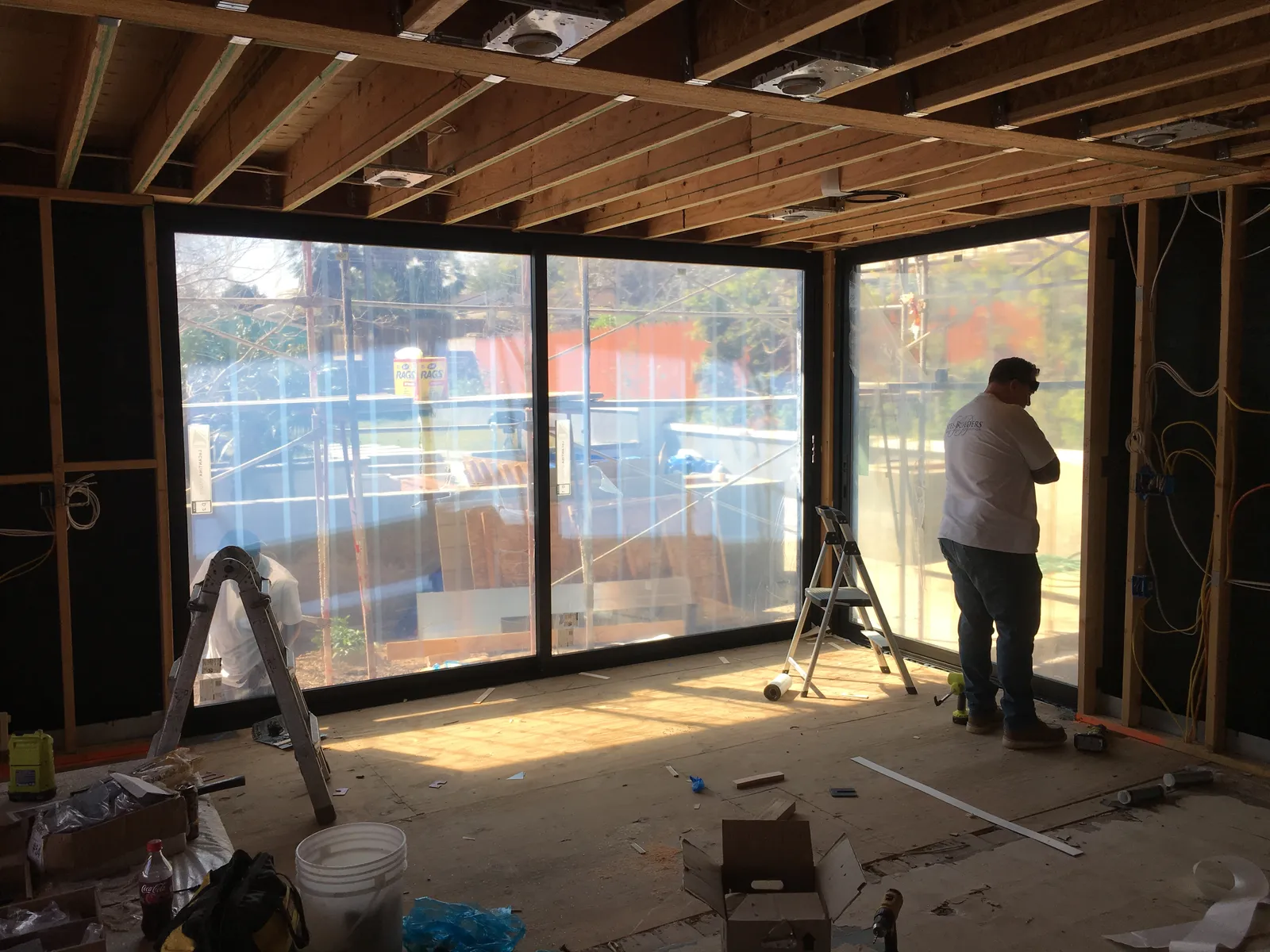
High openings matter too. Warm air stacks at the ceiling, so a clerestory window or an operable skylight acts like a chimney, pulling cooler air in low while the hot layer escapes up top.
Don't overlook the screens
A window you won't open is a window that doesn't ventilate, and most people won't leave openings unscreened once evening comes. Modern screen mesh is dramatically better than what came on homes in the 1970s — finer weaves keep out even the smallest insects while passing more air and more view. For big sliding doors, retractable screens disappear into the jamb when you're not using them, which keeps the indoor-outdoor connection clean.
Designing the whole path
The real gains come when you stop thinking window-by-window and plan the air's route through the house — from the cool, shaded side yard, across the main living spaces, and out the warm western face. In a whole-home remodel, we map that path early, alongside the floor plan itself. Sometimes the fix is as simple as a transom over a bedroom door or undercutting a hallway door so air keeps moving with the doors closed.
It's the kind of detail that never shows up in a listing photo, but you feel it every single evening.
Thinking about opening your home up to the breeze? Request a consultation or give us a call — we'll walk the house with you and find where the air wants to go.
Design · Build · Integration
Let's build something beautiful.
Call (619) 334-3322 or request your free design-build consultation.