
Choosing Bathroom Fixtures That Last
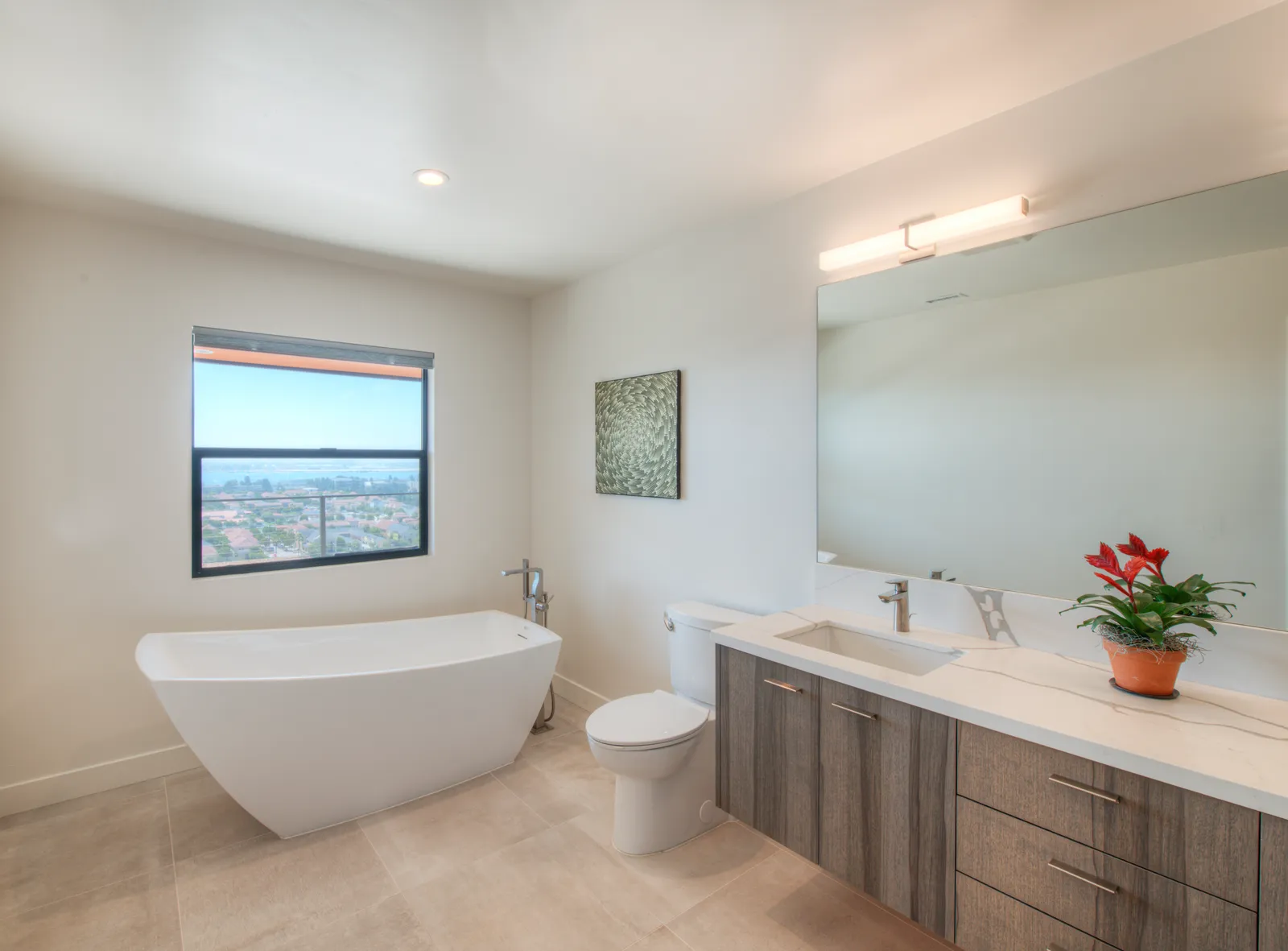
Here's a small test we give clients in showrooms: pick up two faucets in the same style, one from the top of a manufacturer's line and one from the bottom. You'll feel the difference before you see it. Weight, the smoothness of the handle's travel, the way the finish catches light — your hands know quality in about three seconds, even when your eyes can't explain it.
That instinct matters more than usual right now. Most of the homeowners we're working with plan to stay in their houses for a long stretch, which means the fixtures you choose this spring will be the ones you touch every morning for the next decade or two. Here's how we help clients choose the ones that go the distance.
Start behind the wall, not in front of it
The most important part of any faucet or shower system is the part you'll never photograph: the valve. Cheap valves are why handles get stiff, why temperatures drift mid-shower, and why "just replace the trim" turns into opening the tile. A quality pressure-balancing or thermostatic valve, installed once and installed well, lets you change the visible trim in fifteen years without touching the wall. This is also where a design-build process earns its keep — valve selections happen early, alongside the plumbing rough-in, not as an afterthought during the bathroom remodel's finish phase.
A related quiet hero: solid shut-off valves at every fixture. When a supply line eventually needs attention, you'll be glad the angle stop actually turns.
Finishes that survive coastal air
If you live west of the 5 — or anywhere the marine layer settles in — your bathroom hardware lives a harder life than the same hardware in Phoenix. Salt-heavy, humid air is patient and persistent. What we've learned holds up:
- Physical vapor deposition (PVD) finishes bond the color into the surface rather than plating it on; they shrug off both coastal air and abrasive cleaning.
- Living finishes like unlacquered brass are beautiful but honest — they patina, water-spot, and change. Choose them because you want that story, never because the photo looked good.
- Powder-coated and painted finishes vary widely; judge them by the manufacturer's warranty terms, which tell you how much faith the maker has.
Whatever you choose, consistency beats novelty. Two coordinated finishes per bathroom, repeated deliberately, will age better than five trendy ones.
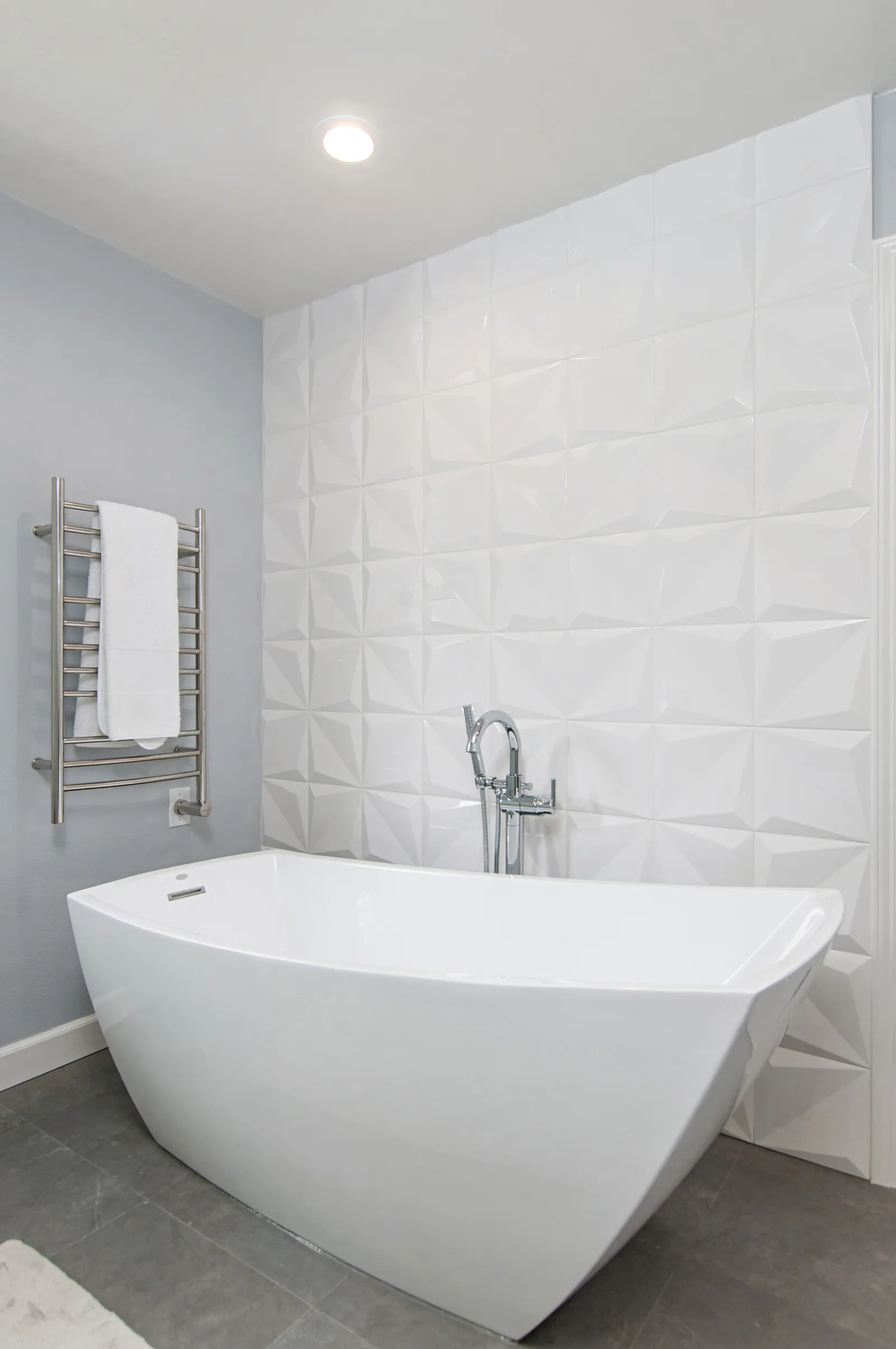
The parts nobody photographs
Drains, overflows, supply lines, toilet internals — this is where budget fixtures hide their savings, and where you'll meet them again in five years. Solid-brass drain assemblies instead of thin plated ones. Braided stainless supply lines instead of plastic. A toilet chosen for its flushing engineering and available replacement parts, not just its silhouette. None of this adds meaningful cost against the whole project; all of it decides whether year eight feels like year one.
Weight is still your best shortcut. Heavier almost always means more brass and thicker castings, and thin, hollow-feeling hardware rarely improves with age.
Buy fixtures you can service
The longest-lasting fixture isn't the one that never fails — it's the one that can be repaired when it does. Before you fall in love, ask two questions: does the manufacturer sell replacement cartridges and parts for decades-old models, and can a plumber get those parts locally? Established fixture lines with long parts support beat obscure imports every time, no matter how striking the design. This matters double in compact bathrooms, where every element works hard — a theme we explored in small bathrooms with big impact, and one that applies just as much to choosing between a walk-in shower and a tub combo.
A bathroom you'll love in 2033 gets decided by choices you make in 2023. If you're planning one and want help sorting the truly durable from the merely shiny, request a consultation or give us a call — we'll spec fixtures your hands will still thank you for in a decade.
Design · Build · Integration
Let's build something beautiful.
Call (619) 334-3322 or request your free design-build consultation.