
Winter Light: Designing for San Diego's Shortest Days
The sun sets before 5 PM in San Diego this week, and even at noon it never climbs much more than halfway up the sky. We don't get snow, but we absolutely get winter light — low, brief, and gone before dinner. Every year around the first of December, homeowners notice their house feels dimmer than the season alone should explain.
It usually isn't their imagination. Much of our local housing stock — midcentury ranches in particular — was designed with modest windows, deep eaves, and a single fixture in the middle of each ceiling. That's a fine recipe for shrugging off August heat. It's a less fine recipe for a month when daylight is a ten-hour ration. Here's how we design around the shortest days of the year.
Follow the low sun
Summer sun arrives from nearly overhead; December sun slants in from the south at a shallow angle. That means south-facing glass earns its keep right now — a generous window or a pair of French doors on a southern wall pulls warm light deep into a room all winter long. Clerestory windows and well-placed skylights do the same work from above, without giving up wall space or privacy. When we plan a whole-home remodel, we map how the sun crosses the lot in December as well as June, because a house designed for only one season only works for one season.
Borrow light between rooms
Older floor plans hoard daylight in the rooms that have windows and starve the hallway, the stair, and every interior bath. Opening a wall, widening a cased opening, or swapping a solid door for a glazed one lets a bright room feed a dark one. Interior transoms — a detail original to many of San Diego's Spanish revivals — do this gracefully while keeping rooms acoustically separate.
Layer the electric light
By five o'clock, design is out of the sun's hands. The fix is layering: ambient light from cans or coves, task light where the actual work happens, and accent light that gives a room depth after dark. A single ceiling fixture can't do all three jobs, which is why rooms lit by one source feel flat all winter. We went deeper on this in our post on task lighting for shorter days; the short version is to put each layer on its own dimmer, so evenings feel deliberate instead of dim.
Choose surfaces that give light back
Light bounces, and a dark room often has less to do with its windows than with what's inside it. A few material moves that pay off in December:
- Satin and eggshell wall finishes return noticeably more light than flat paint.
- Pale counters and backsplashes multiply the effect of under-cabinet lighting — part of why a kitchen remodel so often brightens the whole house.
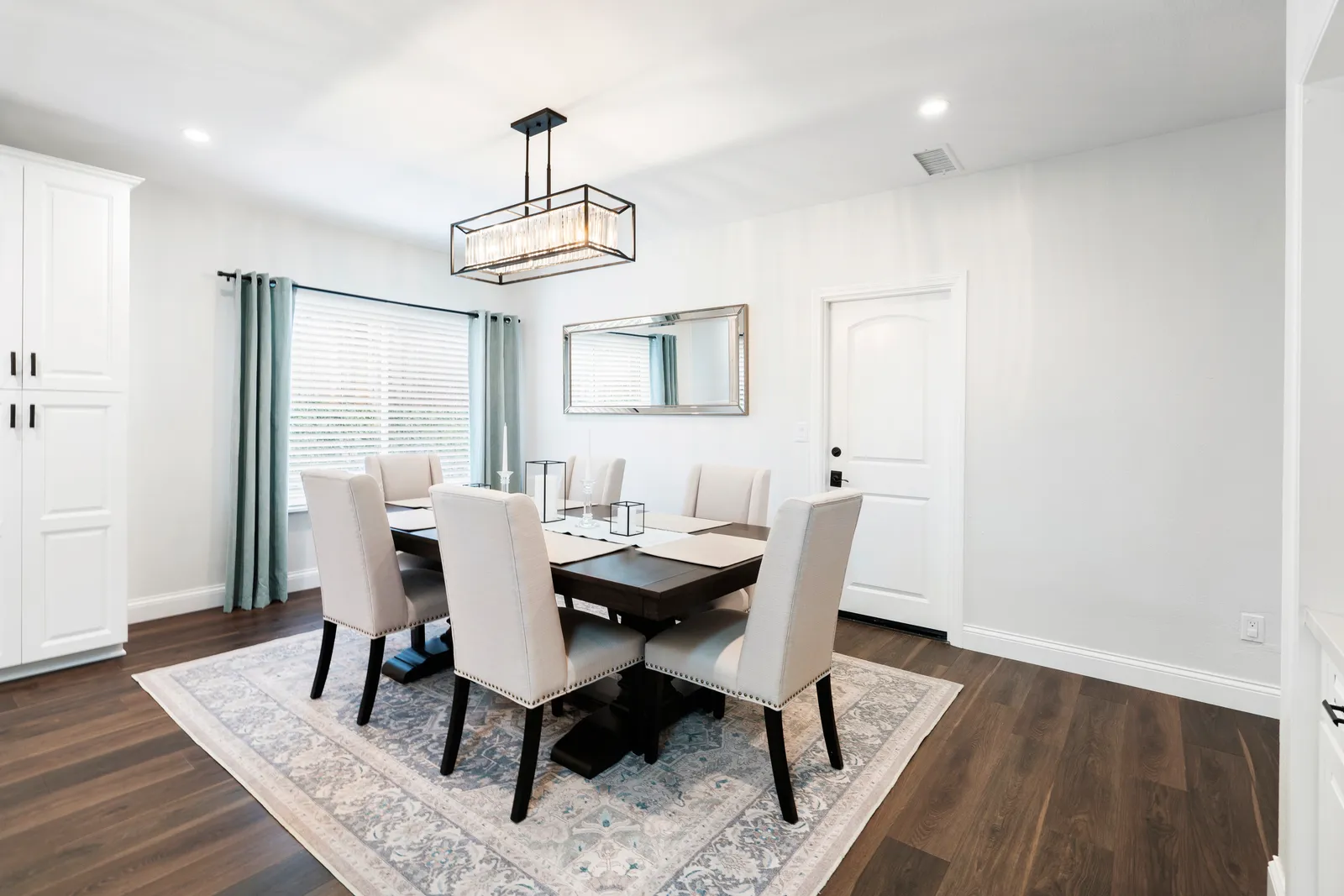
- A mirror placed opposite a window effectively doubles the glass.
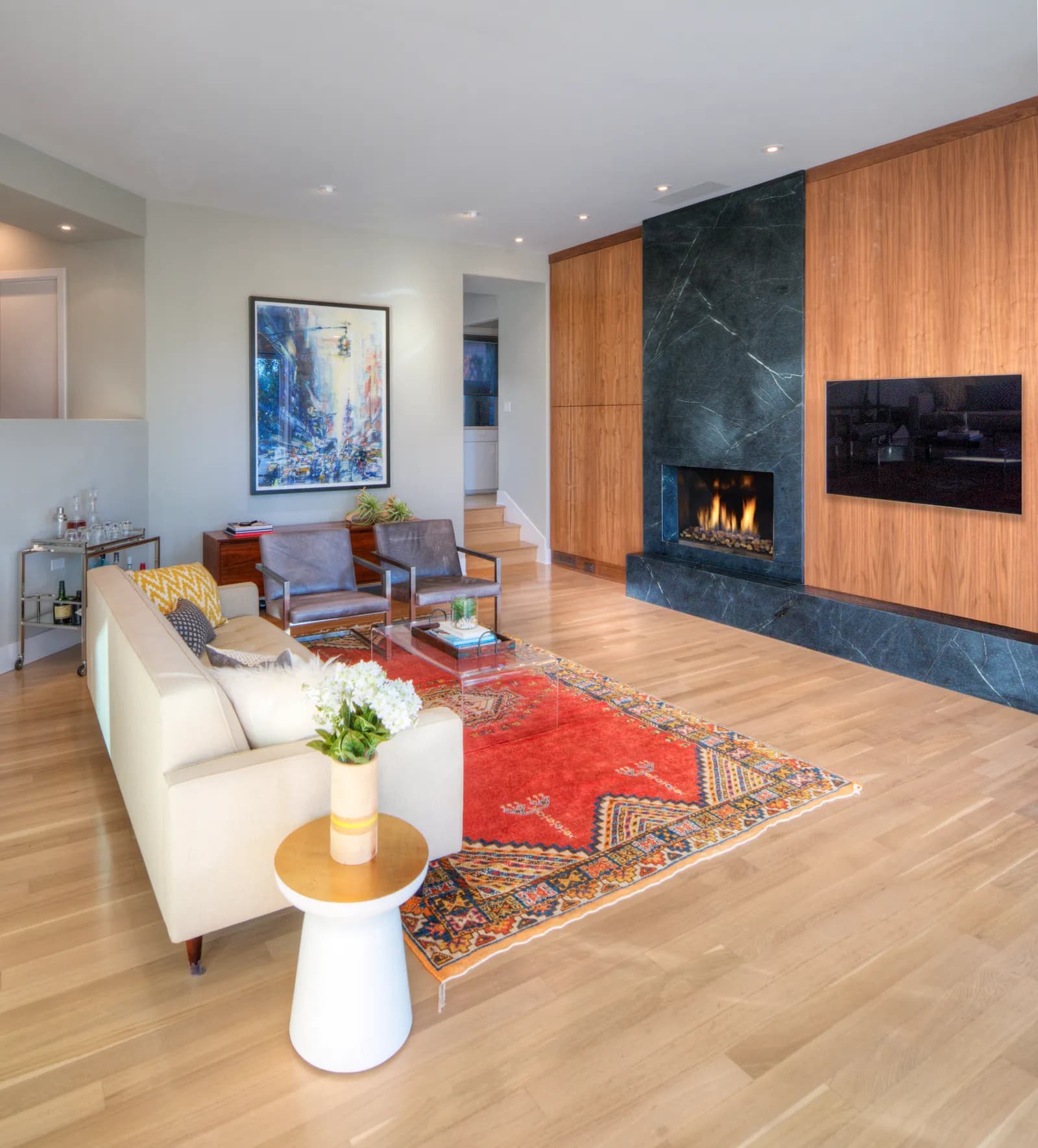
- Warm woods, wool, and a fireplace focal point keep a bright room from turning clinical. Brightness and warmth are both the goal.
A note on timing
One practical reality this winter: windows, skylights, and light fixtures are all running longer lead times than usual, so projects built around daylight reward early decisions. The conversations you start now, while the 4:45 sunset is fresh in your mind, become a house that's ready long before the days shorten again.
The best part of designing for winter light is that none of it hurts in July — bigger south-facing glass, layered lighting, and reflective surfaces make a summer evening better too. If certain rooms in your house go dark first every afternoon, that's information worth acting on. Request a consultation or give us a call — tell us where the light goes missing, and we'll design it back in.
Design · Build · Integration
Let's build something beautiful.
Call (619) 334-3322 or request your free design-build consultation.