
Where to Start a Whole-Home Remodel
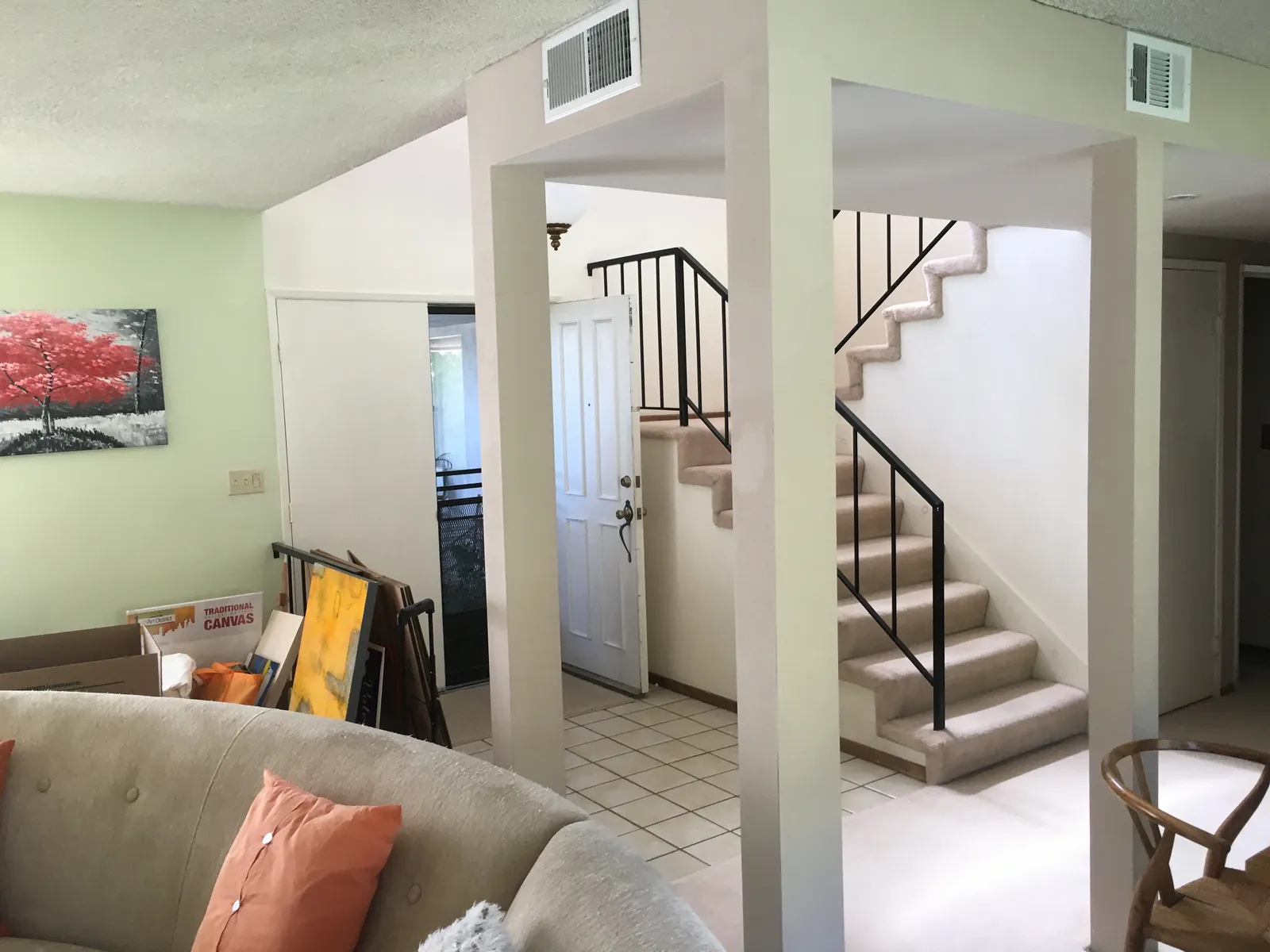
The most common thing we hear at a first meeting isn't a design idea. It's a confession: "We want to redo the whole house, and we have no idea where to begin."
That's a reasonable place to be. A whole-home remodel touches everything — layout, systems, finishes, budget, and your daily life for the better part of a year. The instinct is to start collecting kitchen photos. The better move is to start with three less glamorous questions.
Start with how you live, not what you'd pick
Before finishes, before floor plans, get specific about the frustrations. Where does the household pile up in the morning? Which rooms sit empty? Where do you wish you could be that you can't? In the midcentury ranches and 1970s two-stories all over San Diego, the answers are remarkably consistent: closed-off kitchens, one bathroom too few, and formal rooms nobody enters. A whole-home remodel succeeds when it's organized around those answers — the finishes are the easy part, and they come last.
Get honest about the bones
The second step is unglamorous but decisive: understanding what your house is made of. Foundation condition, framing, the age of the electrical panel, plumbing material, roof life. These determine how much of your budget goes to things you'll never see — and whether remodeling is even the right call. For houses with serious structural or systems problems, the math changes, which is why we walked through the alternatives in our comparison of whole-home remodels and tear-down rebuilds. Most homes land firmly on the remodel side, but you want to know before you design, not after.
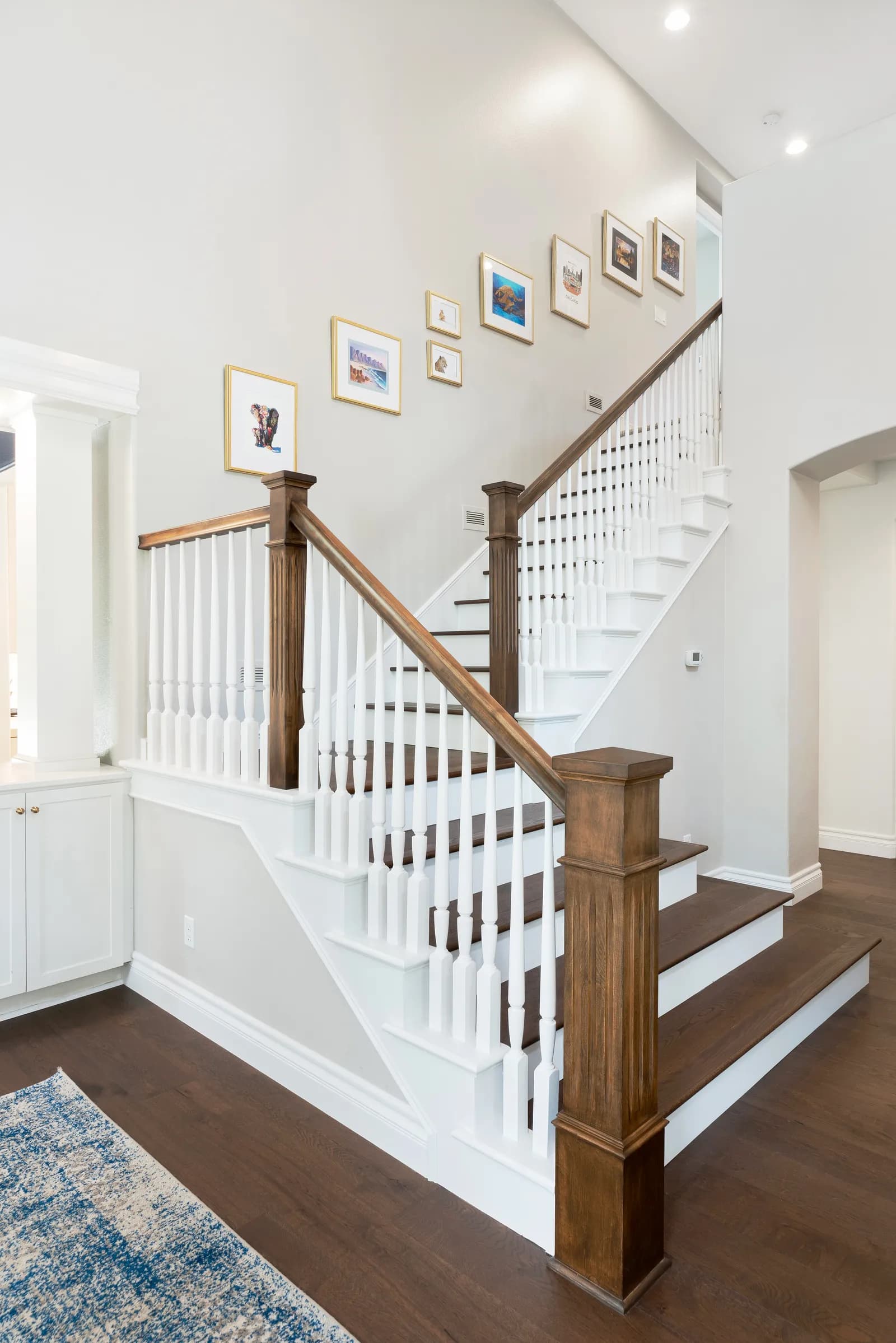
This is also where you learn what the house does well. Original hardwood under the carpet, a solid post-and-beam ceiling hiding above acoustic tile, a floor plan that needs one wall moved rather than five — good bones are budget you didn't know you had.
Rank the budget by what you'd protect
Nobody's list survives contact with a budget fully intact — so decide early what's non-negotiable. Maybe it's the open kitchen; maybe it's the primary suite; maybe it's simply doing the plumbing and electrical right so you never open these walls again. When priorities are ranked before design starts, every trade-off later is a calm decision instead of a crisis. When they aren't, the budget makes the decisions for you, and it has no taste. A useful exercise: each person in the household writes their top three, separately, then compare lists. The overlaps become the spine of the project; the differences become the design conversation.
Then — and only then — call a builder
Here's the counterintuitive part: you don't need a finished vision to start the conversation. You need the three things above — how you live, what the house is, what you'd protect. In a design-build model, the design develops alongside real construction pricing, so the plan that comes out is one you can actually build. That's the heart of our process: no falling in love with a drawing that costs double the budget, no bidding out a mystery.
One timing note for this year: with material and appliance lead times still longer than usual, whole-home projects reward early planning more than ever. The homeowners starting design conversations this summer are the ones breaking ground on schedule next year.
A whole house is a big question, but the first step is small. Request a consultation or give us a call — tell us how you want to live, and we'll help you chart the path from here to there.
Design · Build · Integration
Let's build something beautiful.
Call (619) 334-3322 or request your free design-build consultation.