
Turkey-Sized Ovens and Other Range Decisions
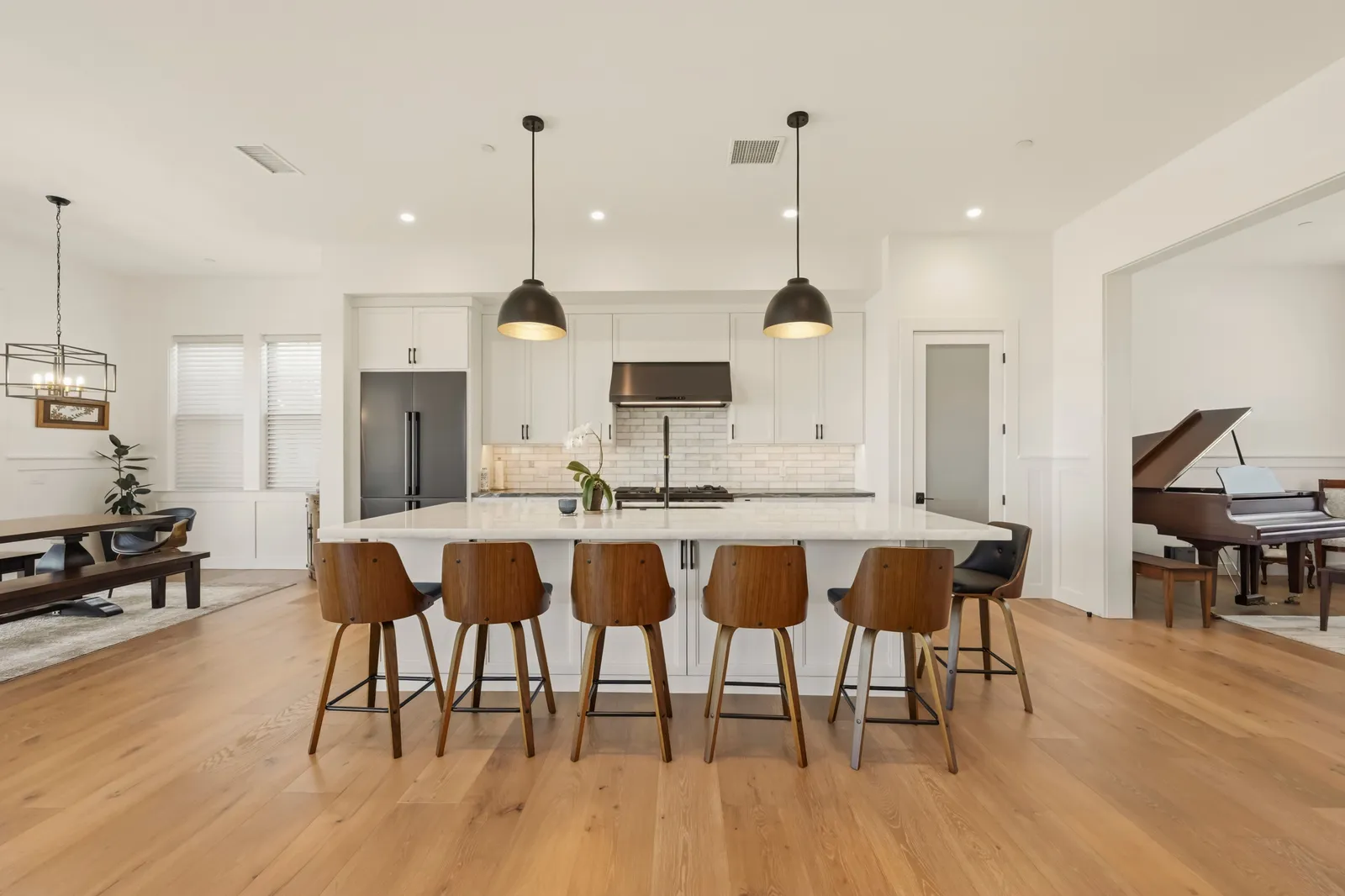
Every October, somebody stands in an appliance showroom, opens an oven door, and mentally lowers a twenty-pound turkey into it. It's a surprisingly good test. The bird is the biggest thing most ovens will ever hold, and if the cavity, the racks, and the door swing can't handle it gracefully, the other 364 days of cooking will have their own small frustrations too.
But the oven question is really a set of questions, and in a kitchen remodel they get answered in a particular order. Here's how we walk clients through it.
Range or wall oven — a layout question first
A range puts your cooktop and oven in one footprint, which saves space and anchors the room visually. Wall ovens lift the cavity to standing height — no more deep-knee bends with a hot roasting pan — and free the cooktop to live where the ventilation and the light are best. Neither is "better." The right answer falls out of the floor plan: galley kitchens and modest footprints usually favor a range; larger, open layouts can afford to separate the two and gain a second work zone in the bargain.
That's why we settle the layout before the appliance list. Choosing the oven first and designing around it is how kitchens end up with a beautiful range and no landing counter beside it.
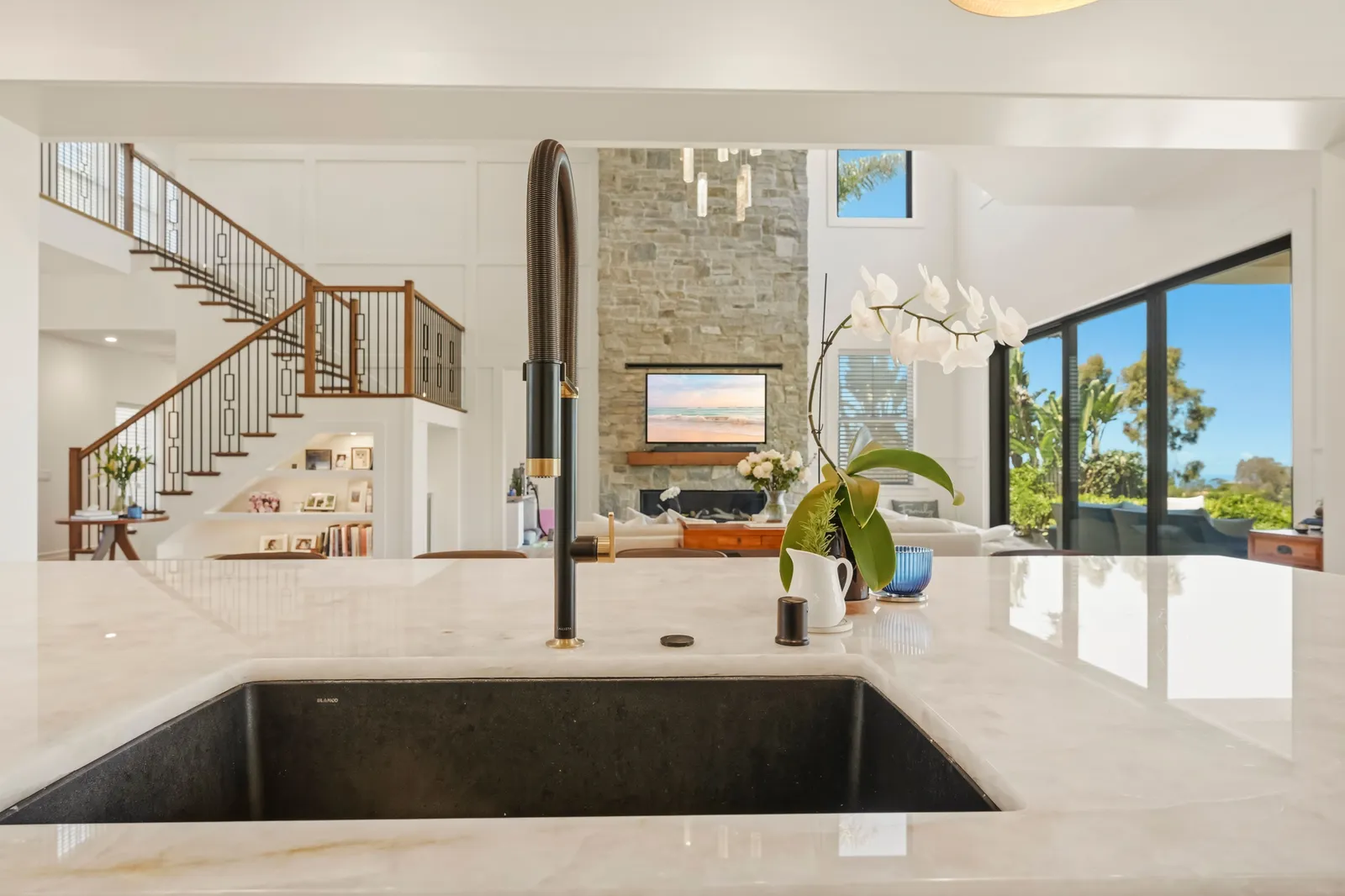
Fuel: the honest trade-offs
San Diego cooks have strong feelings about gas, and the visible flame is genuinely nice to cook on. But modern electric and induction cooktops have closed the gap — induction in particular boils faster, cleans easier, and dumps far less heat into the room, which matters in a coastal kitchen with no air conditioning during a Santa Ana week. Many of our clients now split the difference: one fuel for the cooktop, electric for the oven cavity, where even heat matters more than flame.
Whatever you choose, plan the infrastructure generously. Pulling the right electrical capacity and venting during a remodel is easy; adding it afterward means opening walls twice.
Capacity: think in Thanksgivings per year
Be honest about how often you cook big. If it's a few holidays a year, a single generous oven plus a smart backup — a warming drawer, a countertop convection unit tucked into an appliance garage — may serve you better than a second full cavity you heat twelve times annually. If you host constantly, or cook for a crowd every Sunday, the double oven earns its keep daily. We covered the small-kitchen version of this math in A Second Oven by Thanksgiving.
And ventilation is not optional at this scale. A serious oven and cooktop without a properly sized, properly ducted hood is a smoke alarm subscription.
The calendar part
One thing to know before you fall in love with a spec sheet: appliance lead times have stretched this year, and a full kitchen remodel runs on a design-permit-build timeline measured in months — we laid it out in The Thanksgiving Deadline. The kitchen roasting next November's turkey gets designed this winter.
So do the showroom test. Open the doors, lower the imaginary bird, take notes on what your current kitchen gets wrong. Then request a consultation or give us a call — we'll design the kitchen around how you actually cook, turkey and all.
Design · Build · Integration
Let's build something beautiful.
Call (619) 334-3322 or request your free design-build consultation.