
Surviving a Kitchen Remodel: The Temporary Kitchen Setup
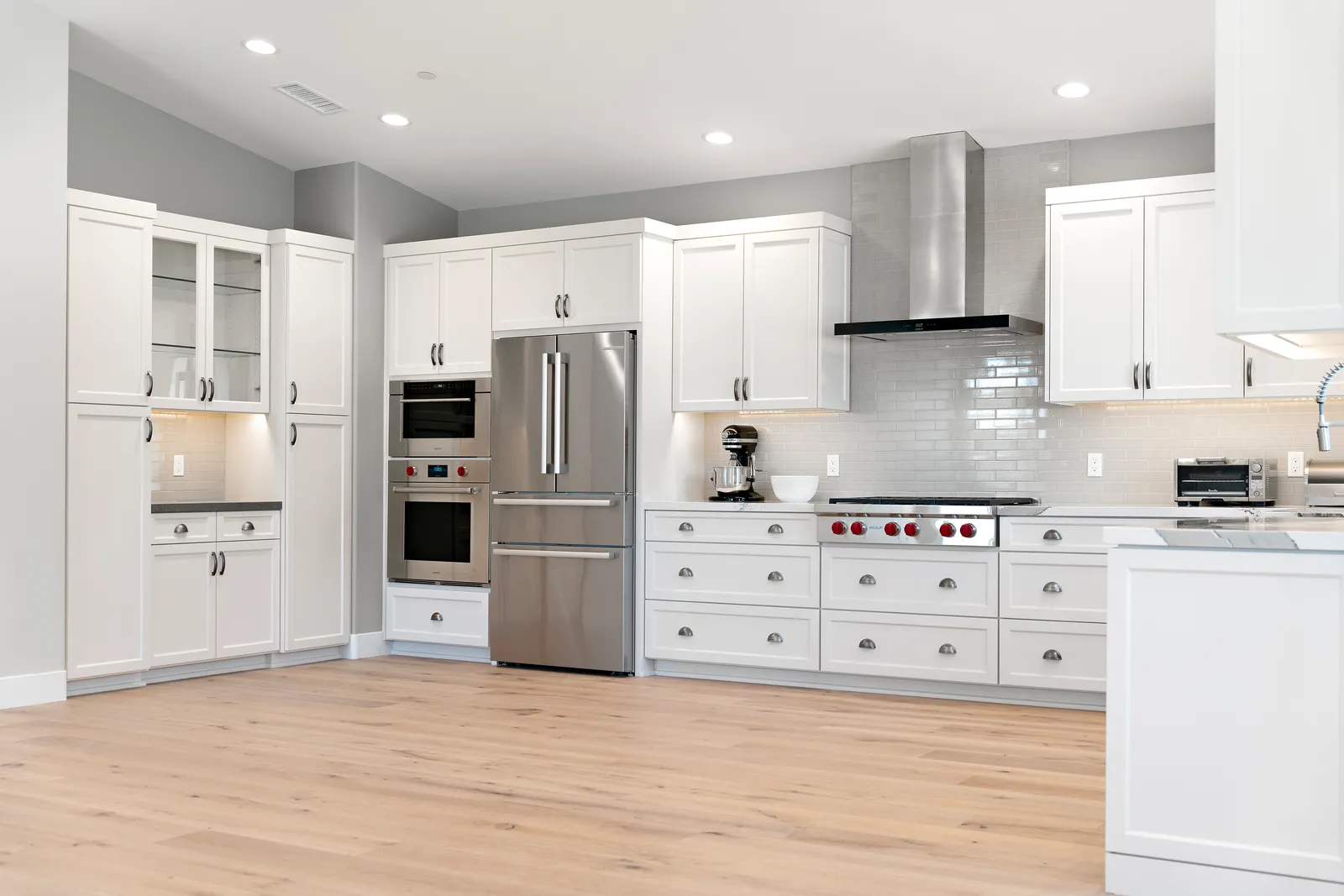
Once homeowners get past the big questions — how long a kitchen remodel takes, what it involves, when to start — the practical one surfaces: how are we going to eat for two months?
It's the right question, and the answer determines whether the construction phase feels like a manageable camping trip or a slow-motion ordeal. The families who sail through are never the ones with the smallest project. They're the ones who set up a real temporary kitchen before demo day.
Pick your spot deliberately
The best temporary kitchen is close to water, far from dust, and out of the work zone's traffic. A dining room works if it's separated from the construction area; a garage works if it has power and you don't mind eating standing up; a laundry room is quietly the MVP, because it already has a utility sink for dishwashing. Whatever you choose, agree on it with your builder before demolition — on our projects, planning the temporary kitchen is part of the pre-construction conversation, not an improvisation on day one. (Dust barriers, floor protection, and a sensible sequence of work are part of that same conversation; see our process for how we stage it.)
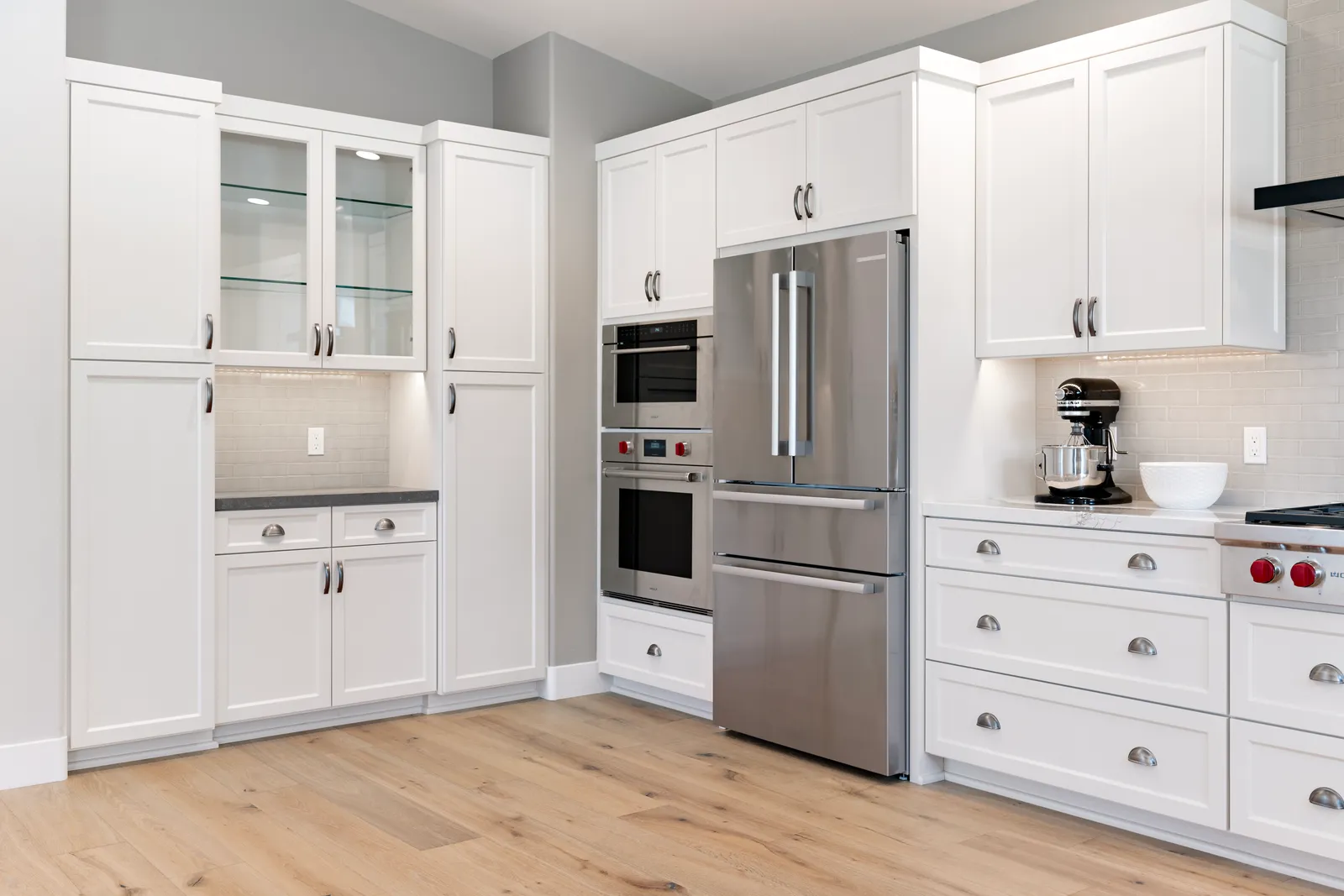
The short list of gear that earns its place
You need less than you think, but you need it set up like you mean it:
- Your refrigerator, relocated and running — the single most important move
- A microwave and a countertop oven — between them they cover most reheating and half of real cooking
- A single portable burner for the pan-cooked essentials
- An electric kettle for coffee, tea, and anything instant
- A folding table with a wipeable top, plus one bin of essential utensils — everything else gets packed away
- A dish station: tub, drying rack, and a truce with paper plates
Resist the urge to keep half your kitchen accessible. One bin, ruthlessly curated, beats six boxes you dig through nightly.
Cook like it's August — because it is
Here's San Diego's structural advantage: the grill. In most of the country, a winter kitchen remodel means months of microwave dinners. Here, an August remodel means the backyard becomes the range. Grilled proteins and vegetables, big salads, no-cook meals on warm evenings — families routinely tell us they ate better during construction than before it. If you have any say in scheduling, putting the heaviest construction weeks in grilling season is the cheapest quality-of-life upgrade available.
A few habits help too: batch-cook and freeze in the final week of your old kitchen, lean on slow-cooker meals that don't mind sitting, and budget guilt-free takeout nights as part of the project — treat your favorite taco shop as a subcontractor.
What your builder owes you
A good builder makes this easier: keeping the old refrigerator alive until the last responsible moment, sealing the work zone so dust stays out of your cereal, maintaining a predictable schedule so you know which weeks are loud and which are livable. If you're weighing a kitchen remodel but the disruption is what's stopping you, that's a design problem too — and it's solvable. Tell us what you're planning or give us a call — we'll map out the project, temporary kitchen included, so life keeps working while the new kitchen takes shape.
Design · Build · Integration
Let's build something beautiful.
Call (619) 334-3322 or request your free design-build consultation.