
Stucco, Siding, or Board-and-Batten: San Diego Exteriors
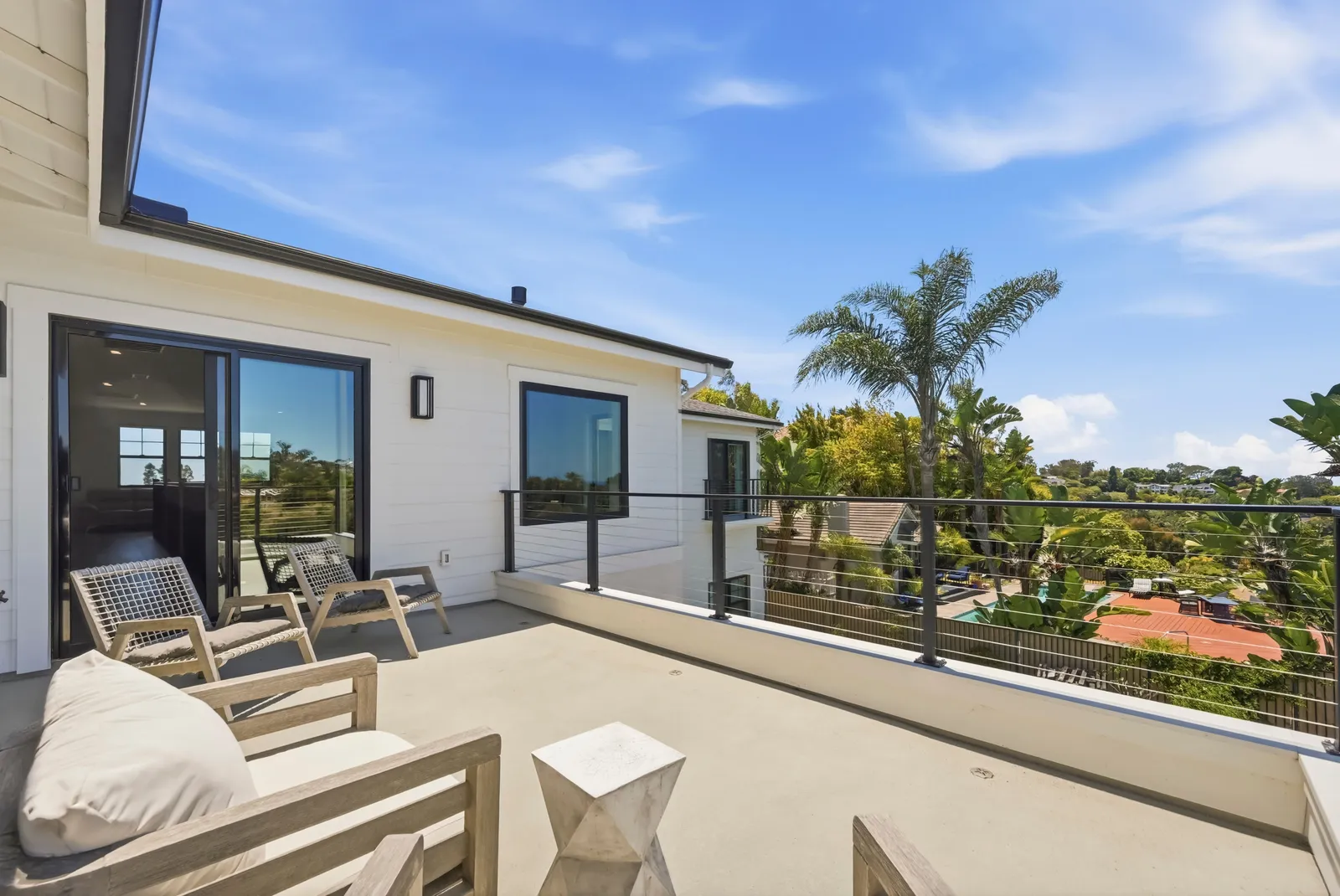
Drive any San Diego neighborhood and you can read its history on the walls. Stucco dominates — it always has here — but the last several years have brought a wave of lap siding and board-and-batten to remodeled facades from Bay Park to Encinitas. Some of that is fashion. Some of it is genuinely good sense.
If you're planning an exterior refresh, an addition that has to blend with the original house, or a full transformation, the cladding question deserves more thought than "which one looks best on my street." Here's how we walk homeowners through it.
Stucco: the local default, for good reason
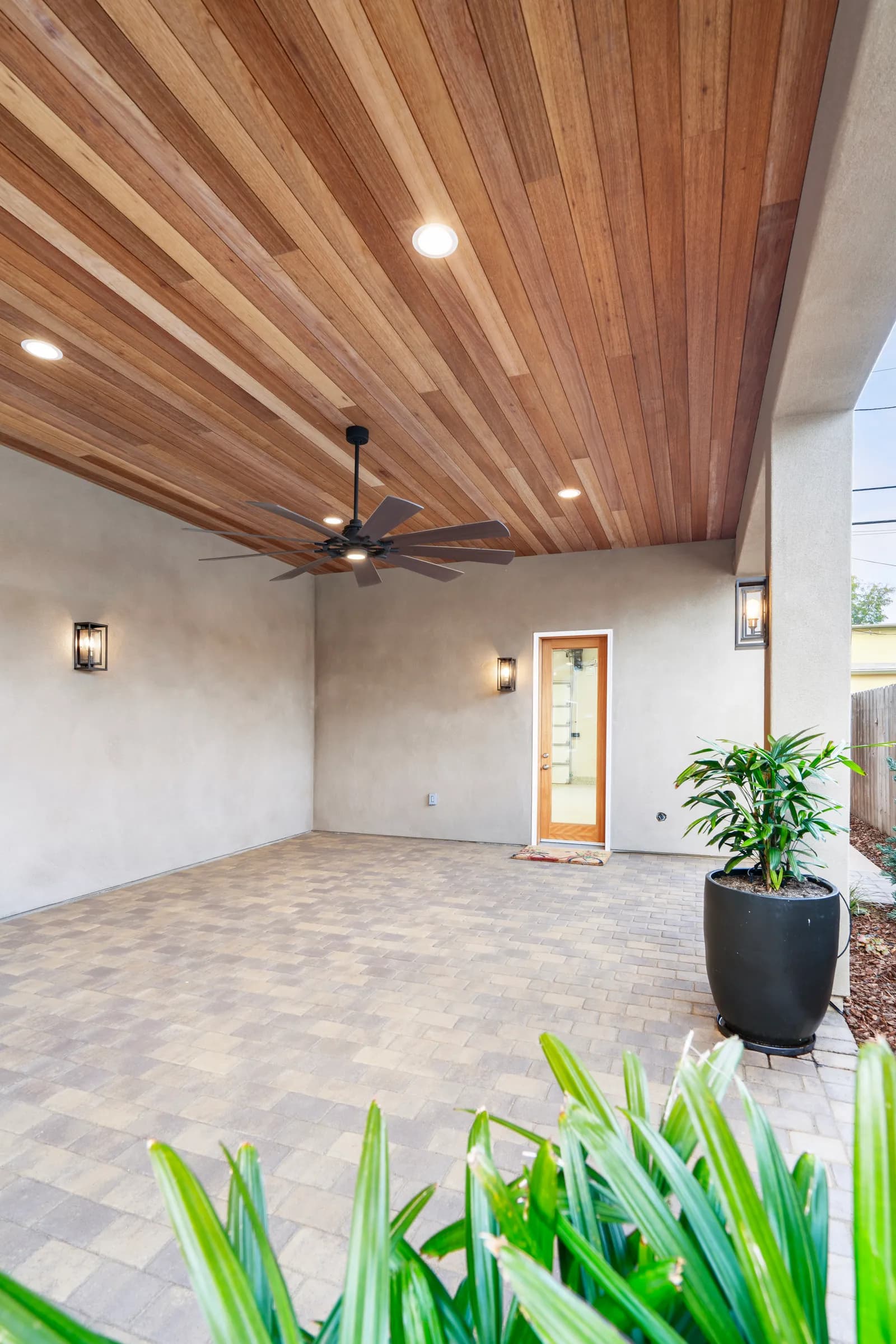
Stucco earned its place in Southern California. It's masonry-based, so it shrugs off our intense UV exposure, doesn't feed termites, and handles the temperature swings of a Santa Ana week without complaint. On Spanish revivals and midcentury ranches, it's also simply correct — the material the architecture was designed around.
Its weaknesses are honest ones. Stucco is rigid, so it cracks as houses settle, and hairline cracks are cosmetic until they're not: near the coast, wind-driven winter rain will find any opening, a lesson we covered in what January rain teaches you about your windows and doors. And matching a patch to fifty-year-old texture is genuinely difficult, which is why additions on stucco homes often look like additions.
Lap siding: warmth, shadow, and a coastal pedigree
Horizontal lap siding brings something stucco can't: shadow lines, texture, and a softer, more crafted feel. It suits beach cottages and traditional facades, and it's forgiving of movement in a way stucco isn't. The key decision is material. Real wood is beautiful and demands regular upkeep — salt air and sun are relentless on finishes west of the 5. Fiber-cement versions capture most of the look with far less maintenance, hold paint remarkably well, and resist fire, rot, and termites. For most coastal remodels we design, that's where the conversation lands.
Board-and-batten: the vertical newcomer (that's actually old)
Board-and-batten — wide vertical boards with narrow strips covering the seams — is the darling of the modern-farmhouse moment, but it's one of the oldest claddings in America. Done well, it adds height and rhythm to a low-slung facade, which is exactly why it flatters the long horizontal lines of a ranch house. Done as a full-house costume, it can feel like it arrived from another climate.
Our advice: use it with intention. A board-and-batten gable over a stucco or lap-sided body, or a single accented volume on an addition, often reads better than wrapping the entire house — and it will age better as tastes move on.
How to actually choose
A few questions cut through the catalog:
- What is the house? Honor the architecture first. A Spanish revival wants stucco; a craftsman wants lap siding; a ranch can flex.
- How close is the ocean? Salt air punishes finishes. The nearer the coast, the harder the case for low-maintenance materials and marine-grade details.
- Are you adding on? Sometimes the smartest move is recladding the whole house so the addition and original read as one — a bigger line item that transforms curb appeal and lets us upgrade the weather barrier underneath while everything is open.
- What's behind it matters more. Flashing, housewrap, and drainage details fail long before the cladding does. The best-looking exterior in the neighborhood is worthless if water gets behind it.
That last point is the one we'd underline. Cladding is the visible ten percent of an exterior; the waterproofing assembly behind it is the part that determines whether your walls are sound in twenty years. It's why exterior work belongs inside a properly managed project — whether that's a facade refresh, an outdoor living expansion that ties new covered space into the house, or a whole-home transformation inside and out.
One 2022 note: some siding products are still on extended lead times, so ordering early keeps a summer exterior project on schedule.
Wondering what your house wants to be? Request a consultation or give us a call — bring us a photo of your facade and we'll talk through what would suit it, structurally and stylistically.
Design · Build · Integration
Let's build something beautiful.
Call (619) 334-3322 or request your free design-build consultation.