
Prefab vs. Site-Built ADUs
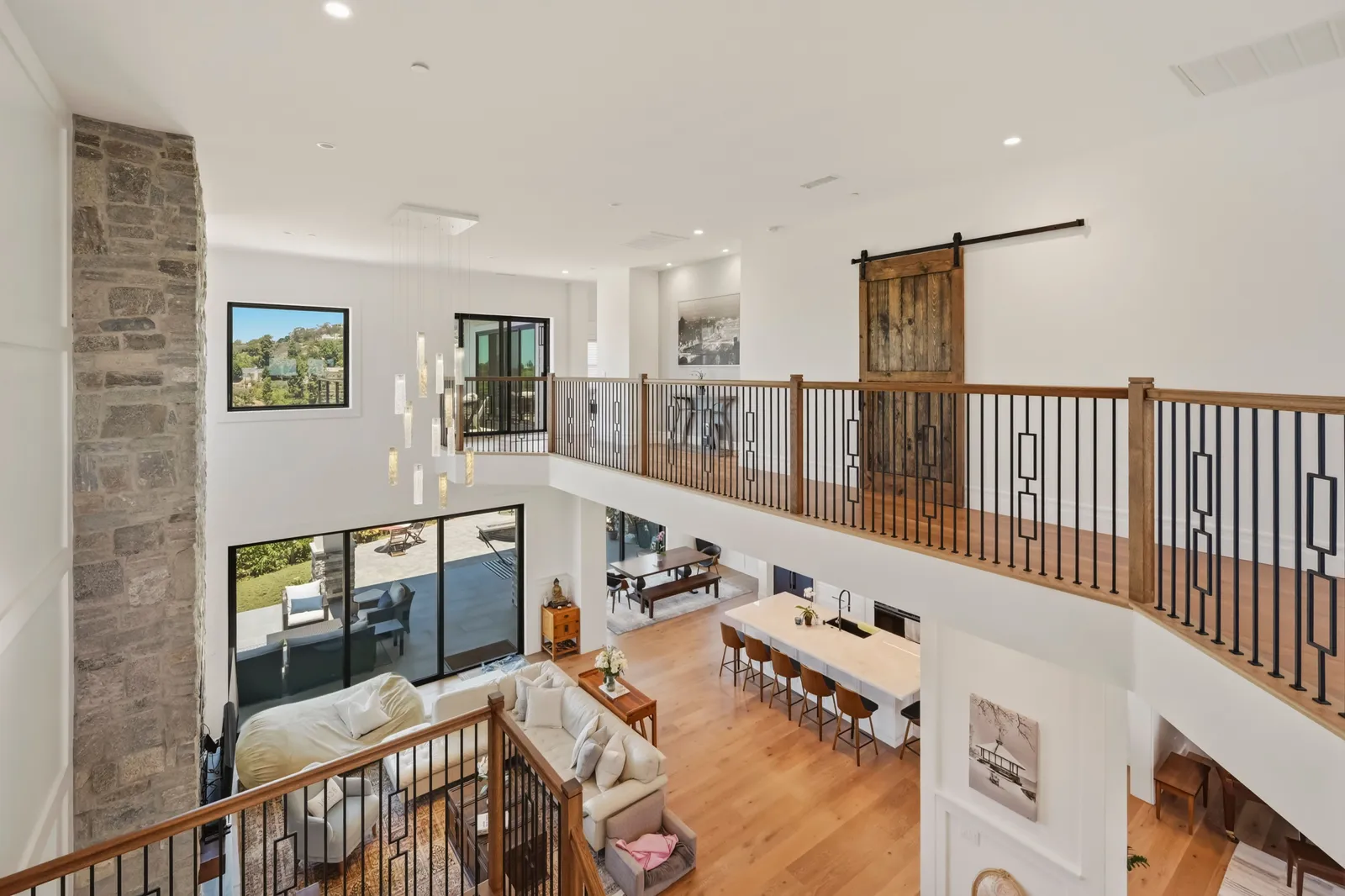
With San Diego's rules friendlier to backyard homes than they've ever been — we unpacked the city's new incentives in our ADU bonus program explainer — the next question homeowners ask is how to build one. Two paths dominate the conversation: a prefab unit built in a factory and delivered to your lot, or a site-built unit framed in place like any other house.
Both can produce an excellent home. The right answer usually isn't a matter of taste — it's a matter of your lot.
Where prefab makes sense
Factory construction has real advantages: weather never stops the line, quality control happens indoors, and the on-site portion of the schedule shrinks dramatically. If your property is flat, your side yard is wide, and a crane or trailer can actually reach the placement spot, prefab deserves a look — particularly if a standardized floor plan already matches what you need.
Notice all the ifs, though. The delivery is the whole ballgame. A canyon-rim lot in Del Cerro, a steep driveway in Mount Helix, mature trees, overhead lines, or a ten-foot gap between houses can turn "simple delivery" into the most expensive day of the project — or rule it out entirely.
Where site-built wins
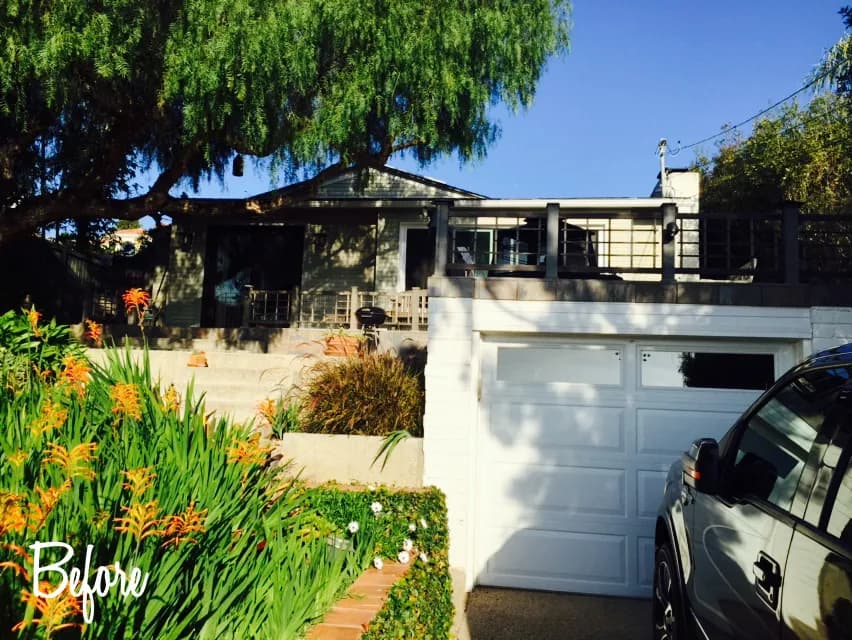
Site-built construction goes wherever a crew can carry lumber, which is everywhere. It's the only real option for garage conversions — often the fastest, most affordable ADU there is — and it shines on sloped or tight lots. Just as important, a site-built ADU can be designed to belong to your house: matching the stucco and clay tile of a Spanish revival, echoing a midcentury ranch's low roofline, or capturing a specific slice of view a stock plan would waste.
Custom design also earns its keep on small footprints. In a unit under 600 square feet, every built-in, window placement, and ceiling height decision is felt daily, and that's where designing from scratch pays off.
The costs are closer than the brochures suggest
Prefab marketing leans on the factory price, but that number excludes what every ADU needs regardless: foundation, utility trenching and connections, permits and school fees, site work, and — for prefab — the crane and transport. Once those are counted, the gap between the two approaches narrows considerably, and on a difficult lot it can invert. And in a season when materials are running longer-than-usual lead times, neither path is immune; factories have backlogs just as job sites do.
Our advice: don't start with the method. Start with a feasibility look at your lot — access, slope, utilities, zoning — and let the property tell you which approach it wants. Tell us what you're planning or give us a call — we'll give you an honest read on which path fits your backyard before you commit to either.
Design · Build · Integration
Let's build something beautiful.
Call (619) 334-3322 or request your free design-build consultation.