
Pool-Season Bathrooms: Outdoor Showers and Wet Entries
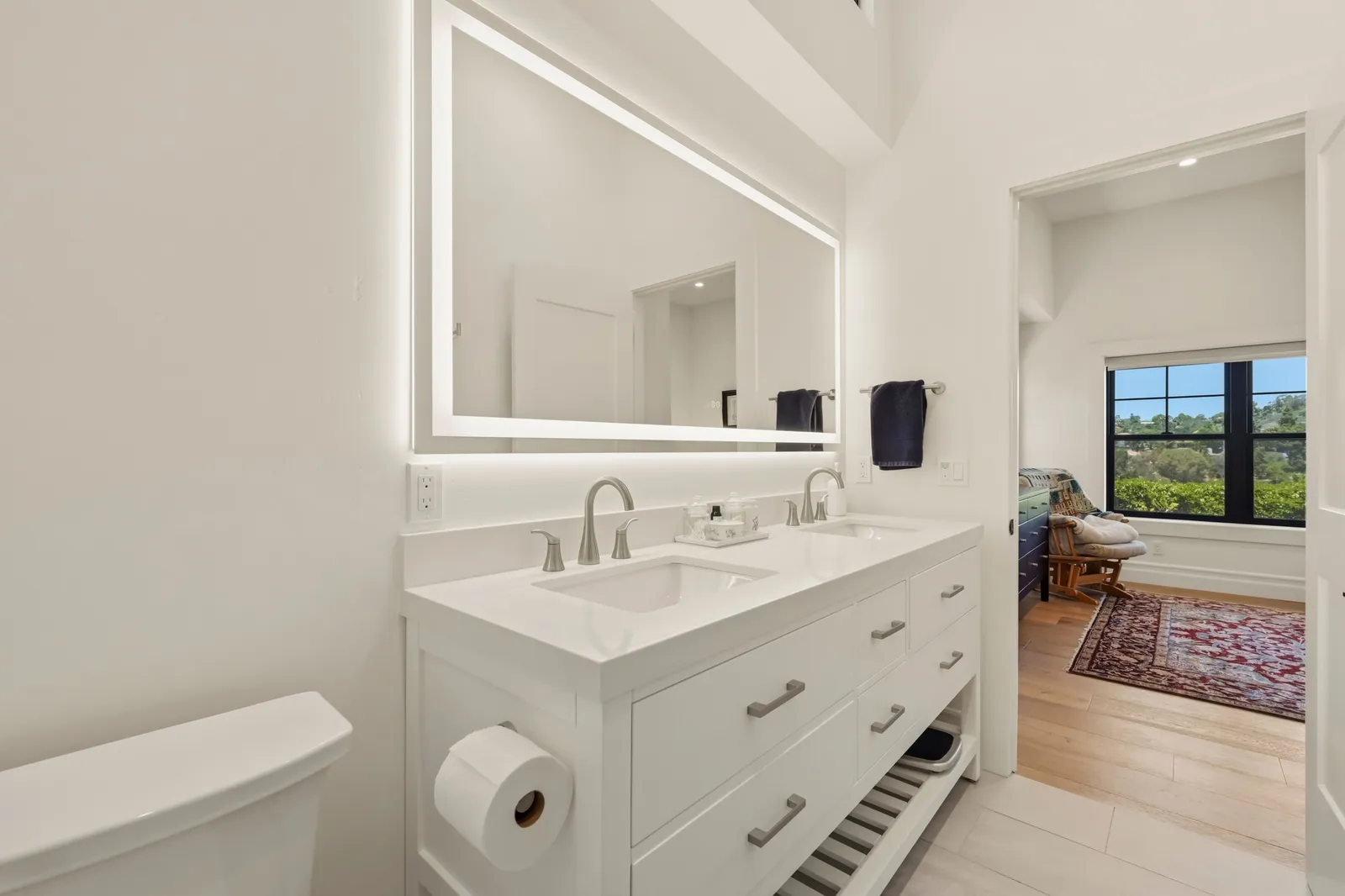
By mid-July, every San Diego household with a pool — or a short drive to the beach — has the same trail running through it. It starts at the back door, tracks across the family room, and ends at the nearest bathroom, marked the whole way by wet footprints, a dripped line of chlorinated water, and at least one abandoned towel.
The trail isn't a discipline problem. It's a design problem. Houses here were mostly built as if we didn't spend five months a year half-wet, and the fix is a pair of features that pool builders rarely think about and bathroom designers often forget: the outdoor shower and the wet entry.
The outdoor shower, done right
A good outdoor shower is more than a hose bib with ambitions. Done properly, it has hot and cold water, real drainage tied into the home's waste line (not just a gravel pit — chlorinated and soapy water shouldn't dump into your landscaping), and enough privacy screening that adults will actually use it. A teak or ipe slat floor, a simple surround of horizontal cedar or board-formed concrete, and a rain-style head turn a utility fixture into one of the most-loved square yards of the property.
Placement matters more than size. Put it on the path between the pool and the door people actually use, and it intercepts the mess. Put it around a far corner because that's where the plumbing was easy, and everyone walks right past it, dripping.
The wet entry: a mudroom for swimsuits
Snow-country houses have mudrooms for boots and parkas. Coastal houses need the same idea for towels and rash guards. A wet entry is a small transition zone — sometimes just five or six feet of hallway — between the yard and the rest of the house, and it earns its keep with a few specific moves:
- A floor drain and tile that runs up the wall, so the whole space can be hosed down
- Hooks at kid height and adult height, plus a bench for peeling off fins and sandy shoes
- A towel cabinet or warming drawer so dry towels live at the door, not down the hall
- A stacked washer-dryer or laundry chute nearby, because swimsuits multiply
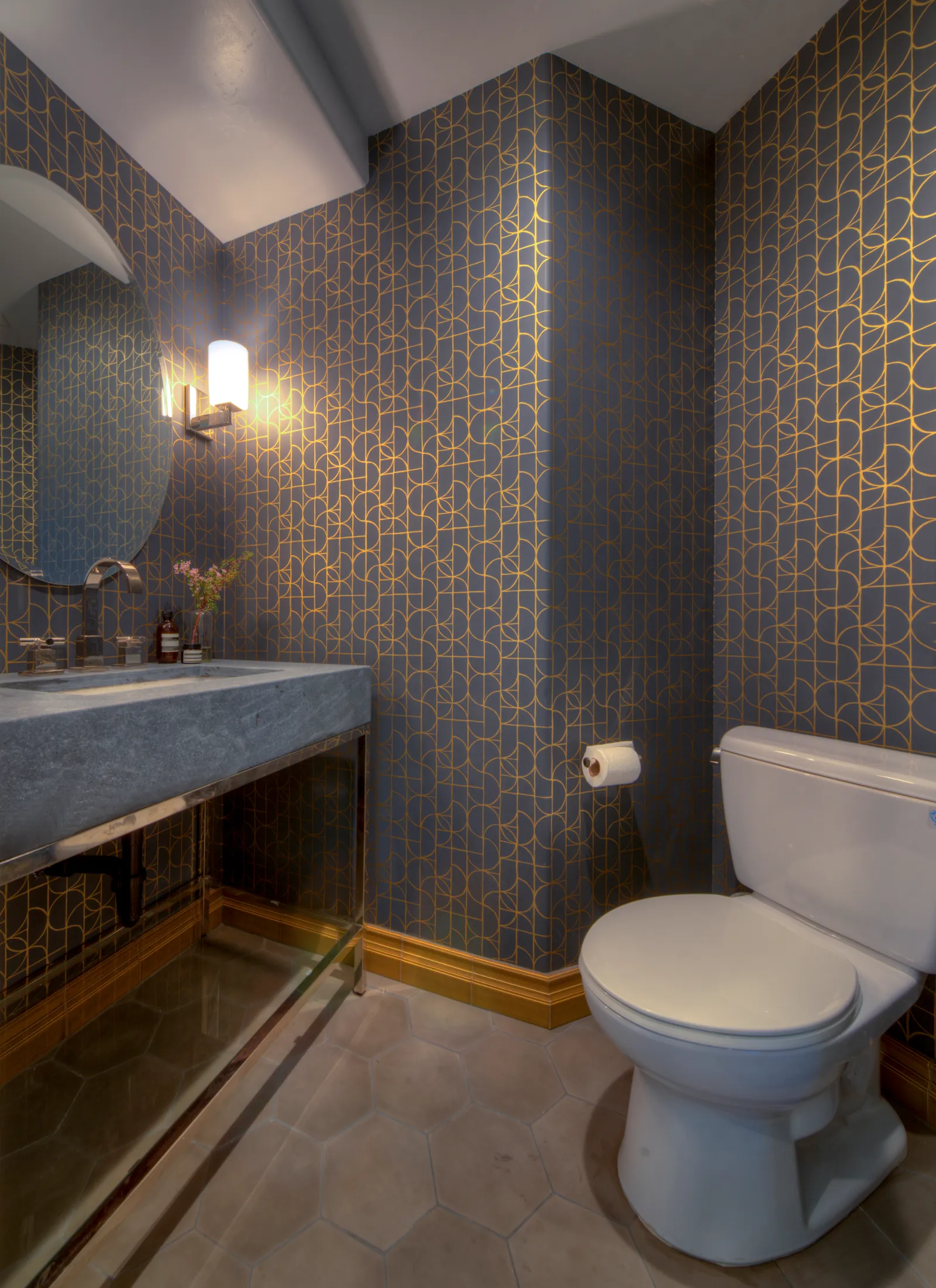
If the wet entry connects to a compact three-quarter bath — toilet, sink, walk-in shower — you've built what older Southern California homes called a cabana bath, and guests never need to enter the private side of the house at all.
Materials that shrug off water
Whatever you build, spec it like a boat. Porcelain tile and sealed concrete floors, solid-surface or quartz counters, marine-grade or powder-coated hardware, and paint rated for high humidity all matter more here than anywhere else in the house. Slip resistance matters too — look for honed or textured finishes underfoot rather than polished ones. We covered how salt air punishes finishes in our post on beach-house refreshes, and everything there applies double to a room that gets rinsed daily.
Ventilation is the quiet hero. A wet entry without airflow becomes a damp locker room by August, so plan operable windows or a properly sized exhaust fan from the start, using the same cross-breeze logic that keeps the rest of the house comfortable.
Folding it into a bigger plan
The best time to add an outdoor shower or wet entry is when you're already opening walls. Plumbing runs, drainage, and exterior doors are cheap decisions during a bathroom remodel or an outdoor living project, and expensive afterthoughts once everything is closed up and stuccoed.
If your hallway floor is telling the same soggy story every weekend this summer, it might be time to give the water a better route. Request a consultation or give us a call — tell us where the wet footprints go, and we'll design them a proper front door.
Design · Build · Integration
Let's build something beautiful.
Call (619) 334-3322 or request your free design-build consultation.