
Mudroom Season: Where Wet Shoes Should Actually Live
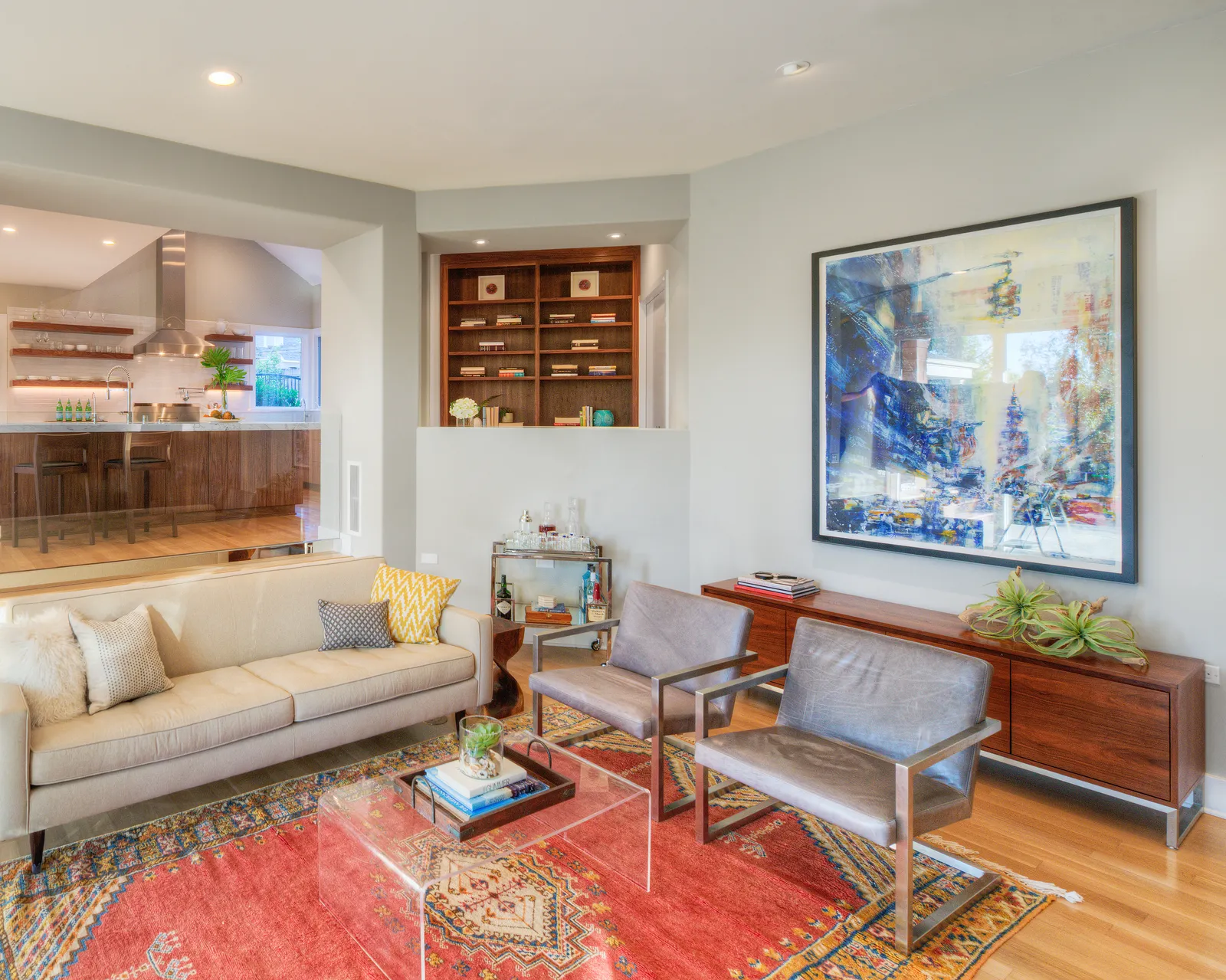
It's the last week of December, the rain has finally shown up, and there's a good chance your entry currently looks like ours: a pile of wet sneakers by the door, jackets on chair backs, and a beach towel doing hallway duty as a doormat. San Diego homes almost never have mudrooms, because the builders who put up our neighborhoods reasoned that a place where it rarely rains doesn't need one.
They were wrong — just not about the rain.
Why San Diego skipped the mudroom
The mudroom is a cold-climate invention, a decompression chamber for snow boots and parkas. Local builders from the 1950s through the 1980s cut it without a second thought, and in a midcentury ranch or Spanish revival the back door typically dumps straight into the kitchen or laundry. But watch how a San Diego family actually lives: sandy feet in July, soccer cleats in October, wetsuits year-round, dog towels always, and yes — six to eight genuinely wet weeks each winter. We don't lack the mess. We lack the room that was supposed to absorb it.
The drop zone, translated for our climate
What our climate calls for is less a mudroom than a hardworking drop zone: a defined patch of tough flooring, seating, hooks, and closed storage stationed at whichever door the family actually uses — which is almost never the front door. It's the place where outside stops. Get it right and the rest of the house stays visibly calmer, for the same reason a good pantry keeps counters clear: everything has an assigned seat.
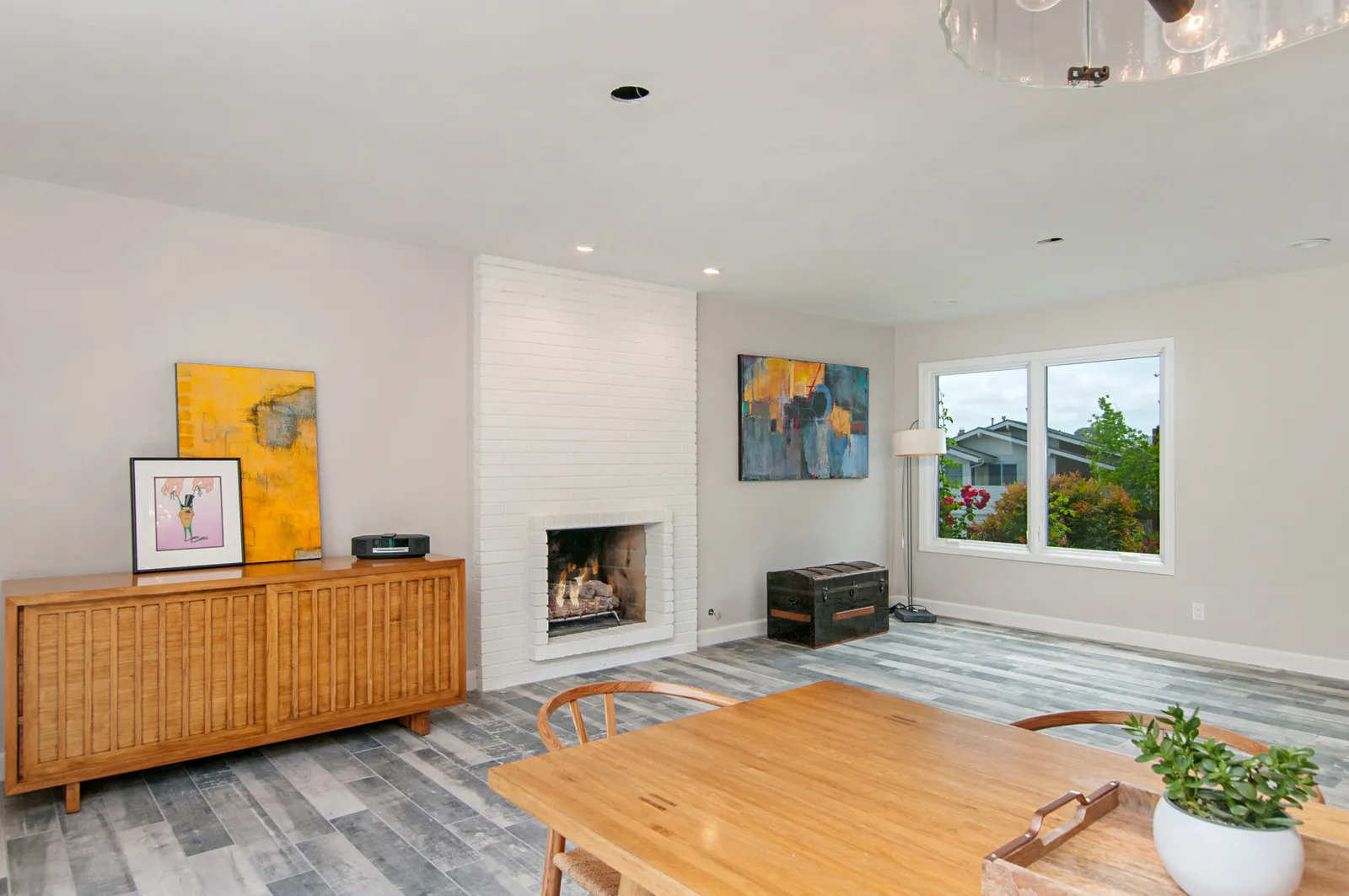
Where to find the space
The good news is that a working drop zone needs surprisingly little area — the trick is location. In rough order of effort:
- The garage-to-house transition. The best candidate in most local homes. A strip of the garage just inside the door, finished properly, catches nearly everything before it enters the house.
- The laundry room. Often adjacent to the back door already; a remodel can make one room do both jobs with a bench, hooks, and a utility sink.
- A closet conversion. An underused hall closet near the door, opened up and refitted, becomes a compact drop zone. The fitting-out logic is the same one we walked through in our closet design post.
- A small bump-out. When nothing borrows well, 30 to 60 new square feet at the side or back door builds the room the house never had — the classic case for a bump-out, and a frequent add-on when we're already doing a room addition.
What makes it actually work
The difference between a drop zone that works and a bench that collects clutter comes down to specifics: a floor that shrugs off water (porcelain tile, not wood), a hook for every member of the household at a height they can reach, closed cabinets for the ugly stuff, open cubbies for the daily stuff, and a bench deep enough to genuinely sit on. Add a duplex outlet inside a cabinet and it quietly becomes the charging station too.
The rainy weeks are the best design research you'll get all year — notice where things pile up, and that's where the drop zone wants to be. Tell us what you're planning or give us a call — we'll give the wet shoes a home of their own before next winter's storms roll in.
Design · Build · Integration
Let's build something beautiful.
Call (619) 334-3322 or request your free design-build consultation.