
LED Lighting: Color Temperature for Every Room
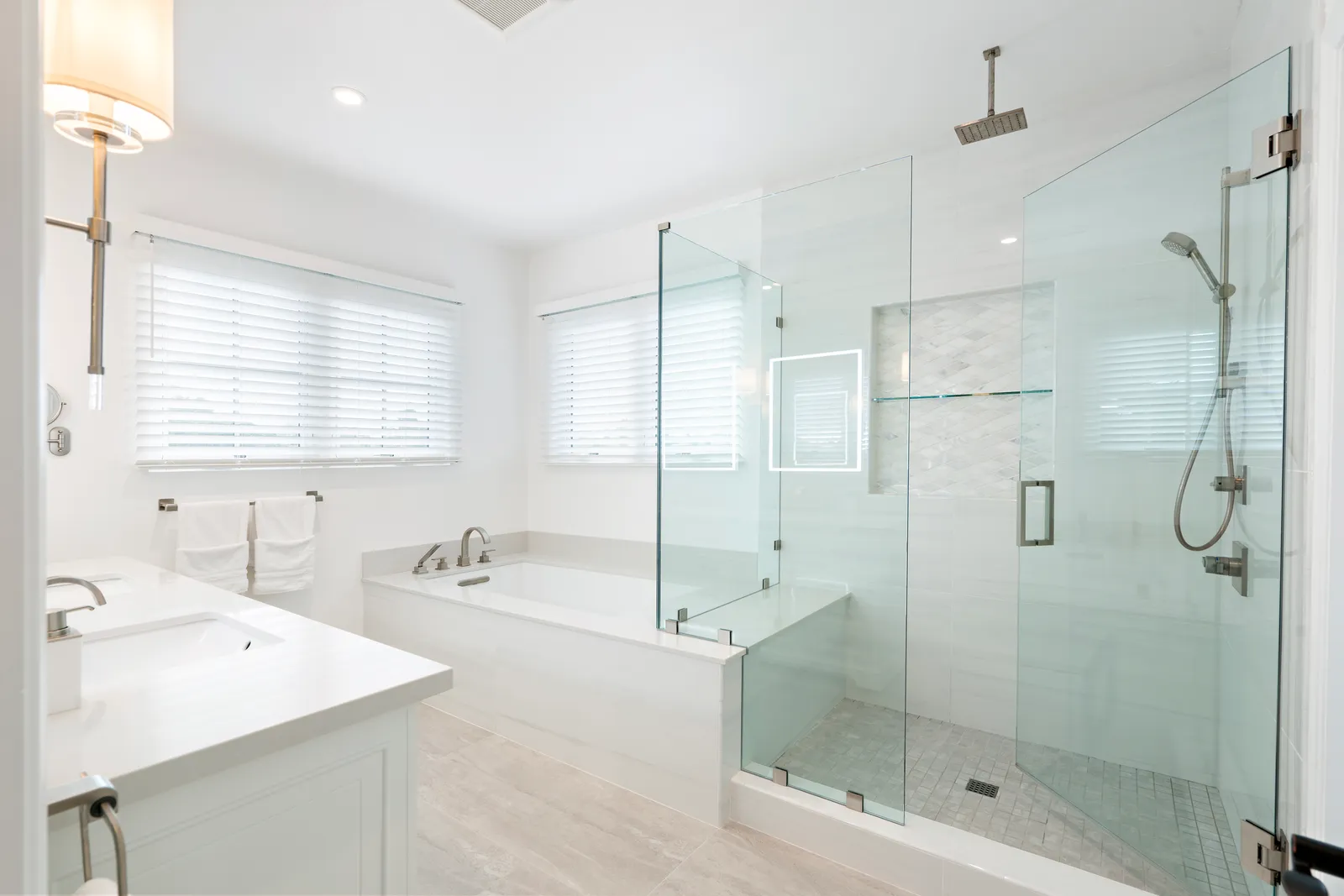
Walk through two identical rooms — same paint, same floors, same furniture — and one can feel like a boutique hotel while the other feels like a break room. The difference is often a single number printed on the light bulb box: color temperature, measured in Kelvin.
January in San Diego is a good month to notice this. The marine layer hangs around, the sun sets early, and your home runs on artificial light more hours than it will all year. If a room has been bothering you and you can't say why, the light itself is the first suspect.
The scale, in plain English
Lower Kelvin numbers mean warmer, more amber light; higher numbers mean cooler, bluer light. Around 2700K you get the glow of an old incandescent bulb. At 3000K the light is still warm but a touch crisper. By 4000K you're in office territory, and 5000K and up reads as clinical daylight. None of these is "wrong" — they're tools. The mistake is using one tool everywhere, or worse, mixing temperatures at random so every lamp in the room argues with the ceiling.
Room by room
- Living rooms and bedrooms: 2700K. These are wind-down spaces. Warm light flatters wood tones, skin, and the Spanish-revival plaster half of San Diego seems to have.
- Kitchens: 3000K. Warm enough to be inviting, crisp enough to tell the chicken is cooked. If your kitchen gets generous natural light — say, from a skylight — 3000K blends with daylight better than 2700K does.
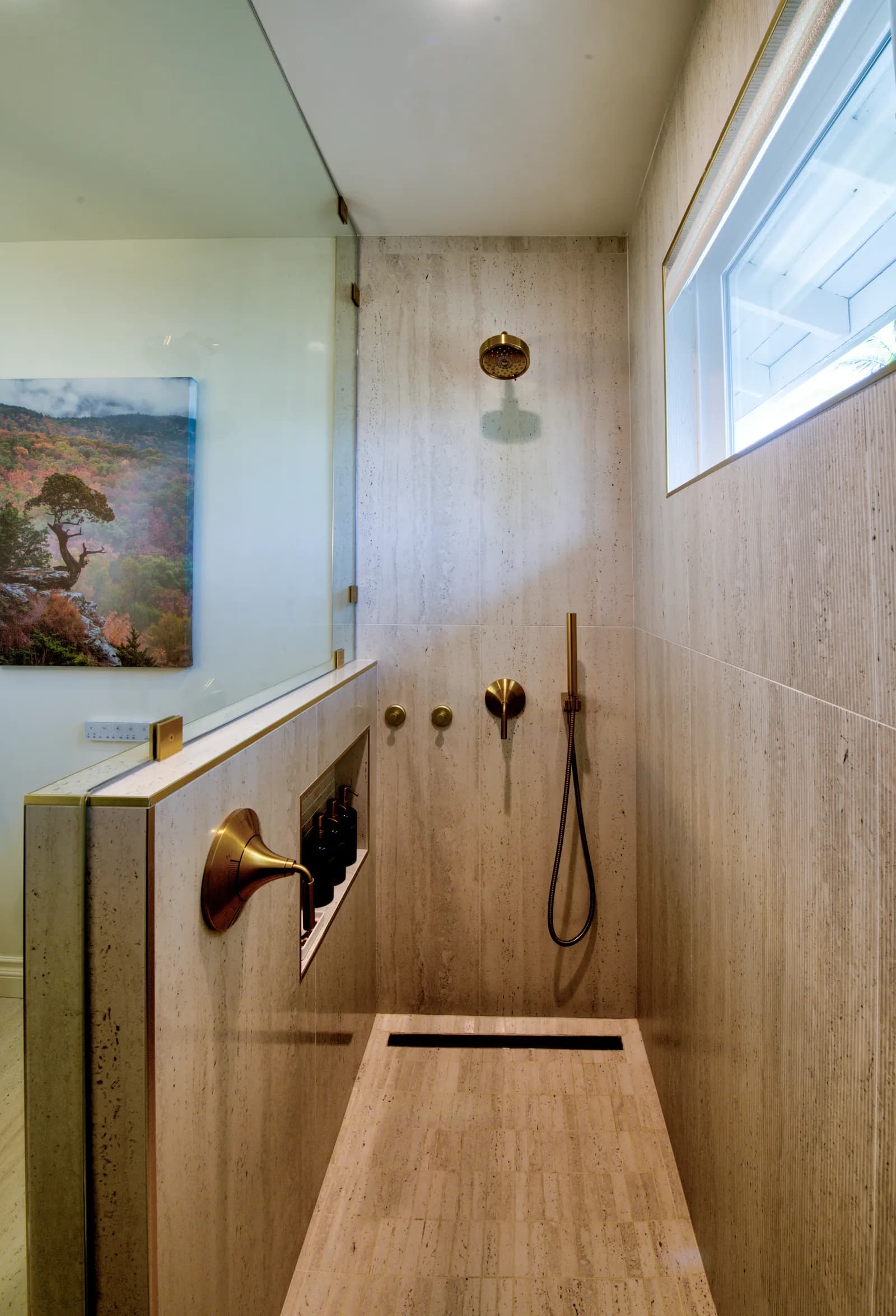
- Bathrooms: 3000K at the vanity. Grooming light should be honest but kind, and it should hit your face from the sides, not just from above. It's one of the details we plan early in every bathroom remodel.
- Garages, workshops, laundry: 4000K. Task spaces earn cooler light. This is where "office lighting" is a feature.
Two rules that outrank everything
First, be consistent within a room. Every fixture in one space should share a temperature, or the room never quite settles. Second, buy high CRI — the color rendering index. A bulb around 90 CRI or better shows your quartz counters and paint colors as they actually are; a bargain bulb can make an expensive finish look cheap.
And put dimmers everywhere you can. A 3000K kitchen at full power for cooking and at 20 percent after dinner behaves like two different rooms — which is exactly what you want.
Light is a design decision, not an afterthought
In our design-build projects, the lighting plan gets drawn before drywall, because layering — ambient, task, and accent — requires wiring, not just shopping. Trends in fixtures come and go, but a well-planned lighting scheme is one of the timeless choices that keeps paying off. If your home never feels quite right after sunset, start the conversation or give us a call — we'll design light your rooms deserve, down to the last Kelvin.
Design · Build · Integration
Let's build something beautiful.
Call (619) 334-3322 or request your free design-build consultation.