
Interior Doors: Solid Core vs. Hollow Core
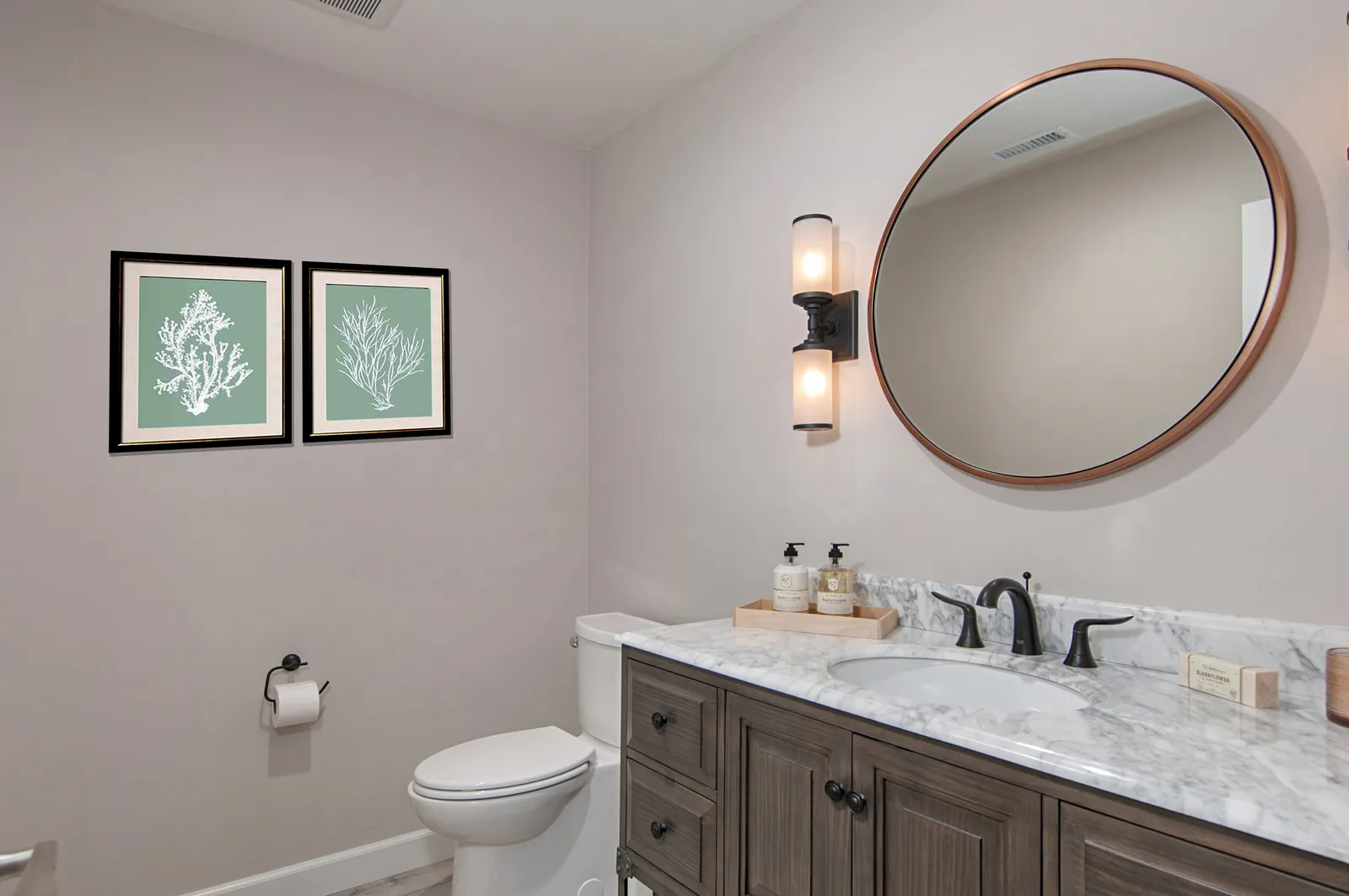
Close a bedroom door in a 1970s tract house and then close one in a well-built custom home. You'll hear the difference before you can name it. One lands with a hollow tap, like knocking on a cardboard box. The other closes with a soft, satisfying thunk. That's not craftsmanship mystique — it's usually just what's inside the door.
Interior doors are one of the most touched, least considered elements in a remodel. You'll open and close them thousands of times a year, and they do more for how quiet and substantial a house feels than almost any finish you can point to in a photo. So it's worth two minutes to understand the choice.
What's actually inside each one
A hollow core door is two thin skins of veneer or molded hardboard over a mostly empty frame, with a honeycomb of cardboard keeping the faces from flexing. It's light, inexpensive, and perfectly serviceable — which is why it's in nearly every San Diego home built in the last sixty years.
A solid core door swaps that honeycomb for an engineered wood core. (True solid wood doors — stile-and-rail construction, common in older Spanish revivals — are a third category, beautiful but more prone to seasonal movement.) Solid core gives you most of the heft of real wood with better stability, which matters in a climate that swings from damp marine layer to bone-dry Santa Anas in the same month.
The case for solid core
The difference you'll notice daily is sound. A solid core door can cut noticeably more noise transfer than a hollow one — not soundproofing, but the difference between hearing a conversation and hearing a murmur. That earns solid core a place in a few specific spots:
- Bedrooms, especially between a primary suite and a living area
- Home offices, now that video calls are part of the furniture
- Bathrooms, for reasons that need no elaboration
- Laundry rooms and media rooms, where machines make the noise
There's also the feel. Solid core doors swing with intention, resist dings and punctures far better, and take paint with a smoother, more furniture-like result. If you're already investing in the trim around them — the topic of our post on baseboards, casings, and crown — a hollow door in a beautifully cased opening is a bit like a fine frame around a poster.
Where hollow core still makes sense
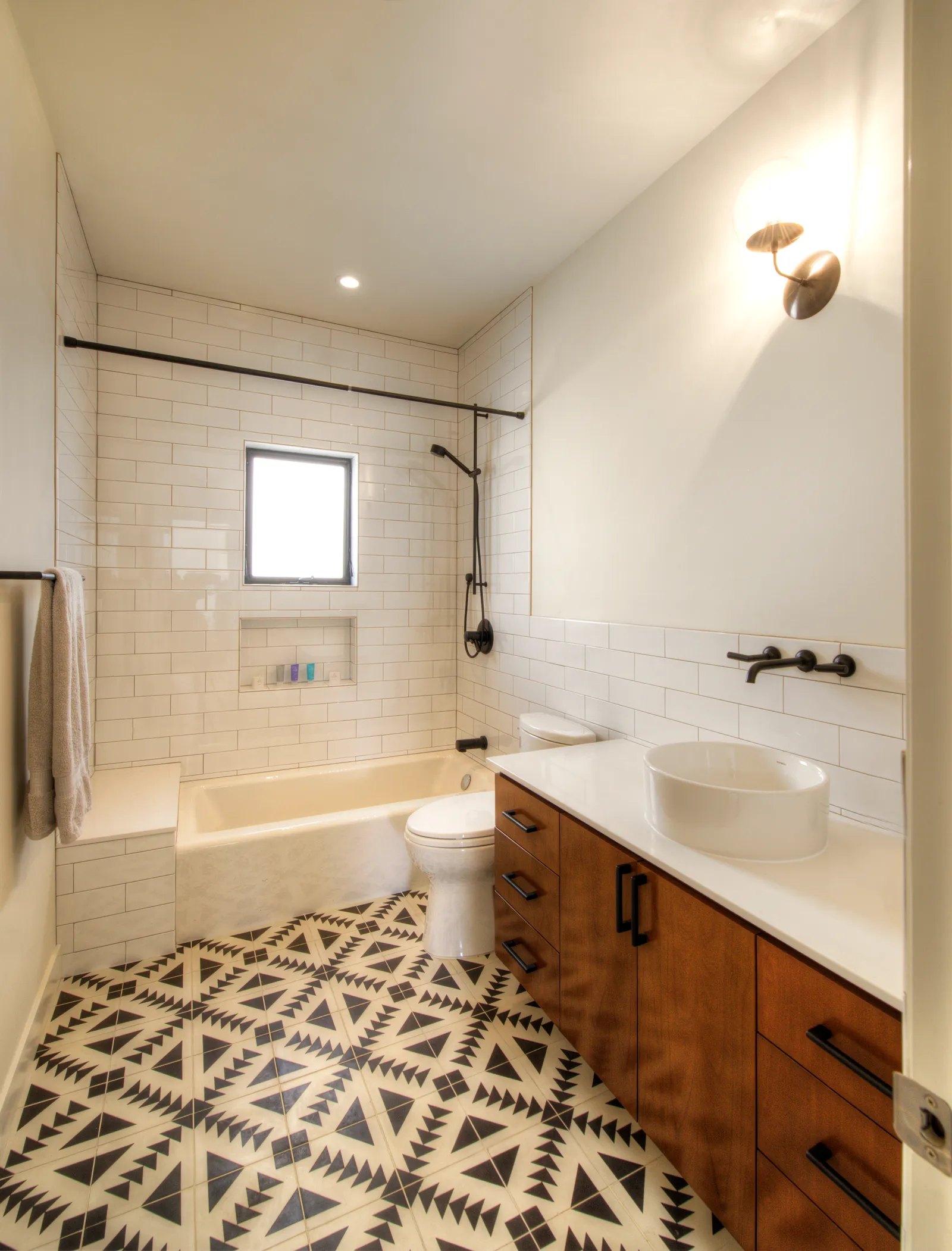
Honesty time: not every opening earns the upgrade. Closet doors, pantry doors, and low-traffic openings gain almost nothing from a solid core except weight on the hinges. And weight is a real consideration — a solid core door can weigh two to three times as much, which means it needs three sturdy hinges and solid framing behind them. On older framing, that's a check worth making before you order a houseful.
A sensible middle path we often recommend: solid core at every bedroom, bathroom, and office; hollow core at closets and utility spaces. You capture nearly all the acoustic and tactile benefit for a fraction of the added cost.
Getting the details right
Whatever the core, the door is only as good as its installation. Doors should be swapped as prehung units when jambs are tired, hinges should match your hardware finish — a choice we covered in Matte Black, Brushed Brass, or Chrome? — and latches should align so the door stays closed without a shoulder check. In a whole-home remodel, we treat doors as a system: consistent panel style, consistent hardware, consistent reveal lines down every hallway. It's the kind of quiet coherence you feel more than see.
If your house still taps like cardboard when the doors close, that's fixable — and more affordable than most people assume when it rides along with other work. Request a consultation or give us a call — we'll help you decide which doors earn the thunk.
Design · Build · Integration
Let's build something beautiful.
Call (619) 334-3322 or request your free design-build consultation.