
How Long Does It Take to Build an ADU in San Diego?
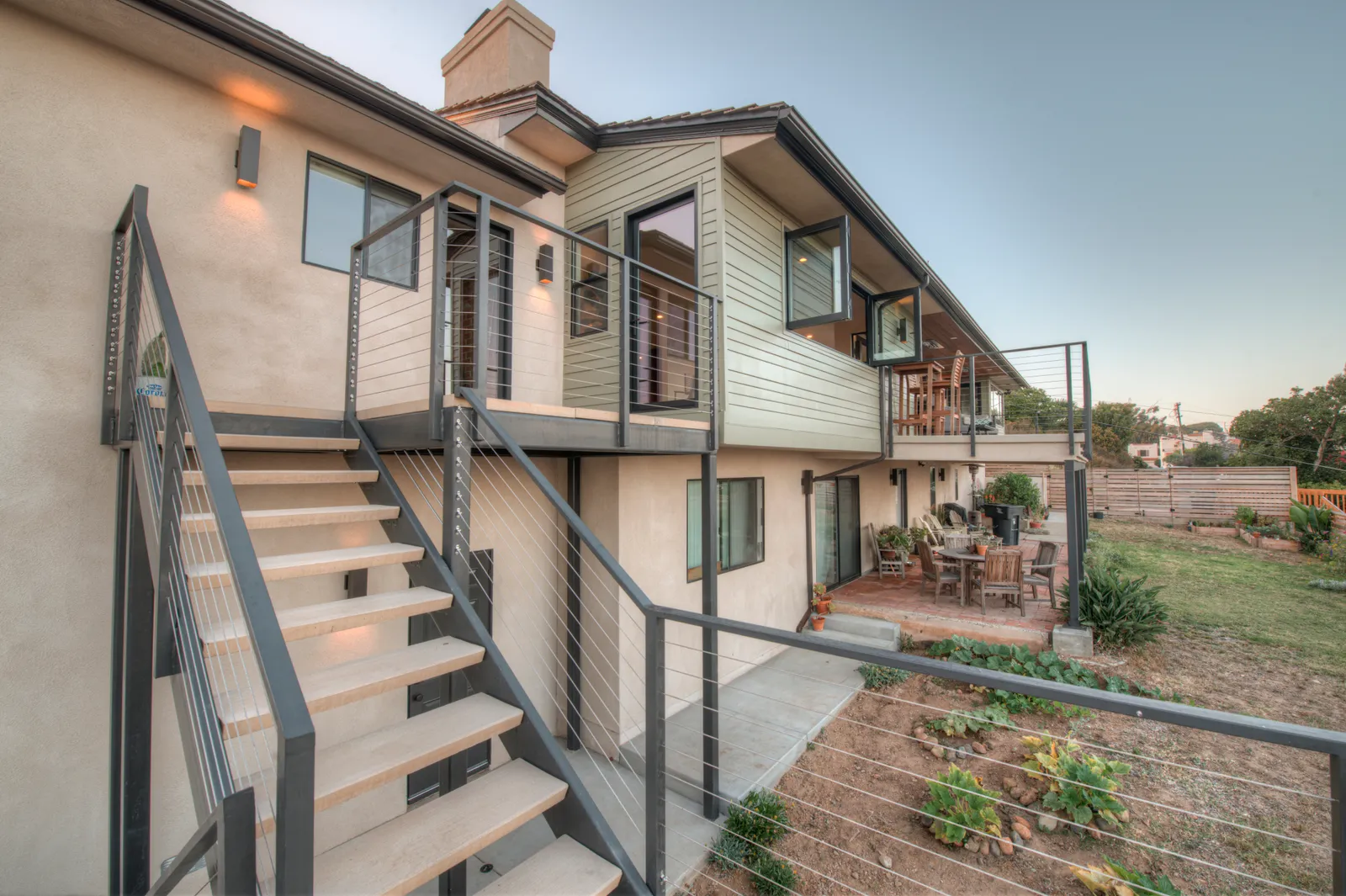
It's the first question nearly every ADU client asks, usually before we've even walked the backyard: how long is this going to take? The honest answer is that a well-run detached ADU in San Diego typically spans about a year from first design meeting to keys in hand — sometimes faster for a simple project, longer for a complicated lot. What matters more than the total is understanding where that time goes, because the phases are not equally visible and not equally controllable.
Here's the timeline the way we actually experience it.
Design and engineering: the quiet months
The first phase happens on paper: site analysis, floor plans, elevations, then structural engineering and Title 24 energy calculations. Expect a few months, and expect the pace to depend partly on you — decision speed on layout and finishes is one of the few schedule levers a homeowner fully controls. This is also when the fundamental siting questions get settled: setbacks, access for construction, and crucially where power, water, and sewer will come from. Utility connections are the costs — and the delays — nobody mentions, so we scope them before drawings are final, not after.
Permitting: faster than it used to be, slower than you'd like
San Diego has worked hard to streamline ADU approvals, and the city's pre-approved plan options can shorten this phase considerably for projects that fit the templates. A custom design still has to go through plan check, and a review cycle or two of corrections is normal, not a red flag. Budget a few months and treat anything quicker as a gift. The best use of this stretch is finish selections: every tile, fixture, and paint color chosen now is a decision that can't stall the job later. Meanwhile, a good builder isn't idle — this is when bids are locked in and long-lead items like windows get ordered so construction doesn't stall waiting on them.
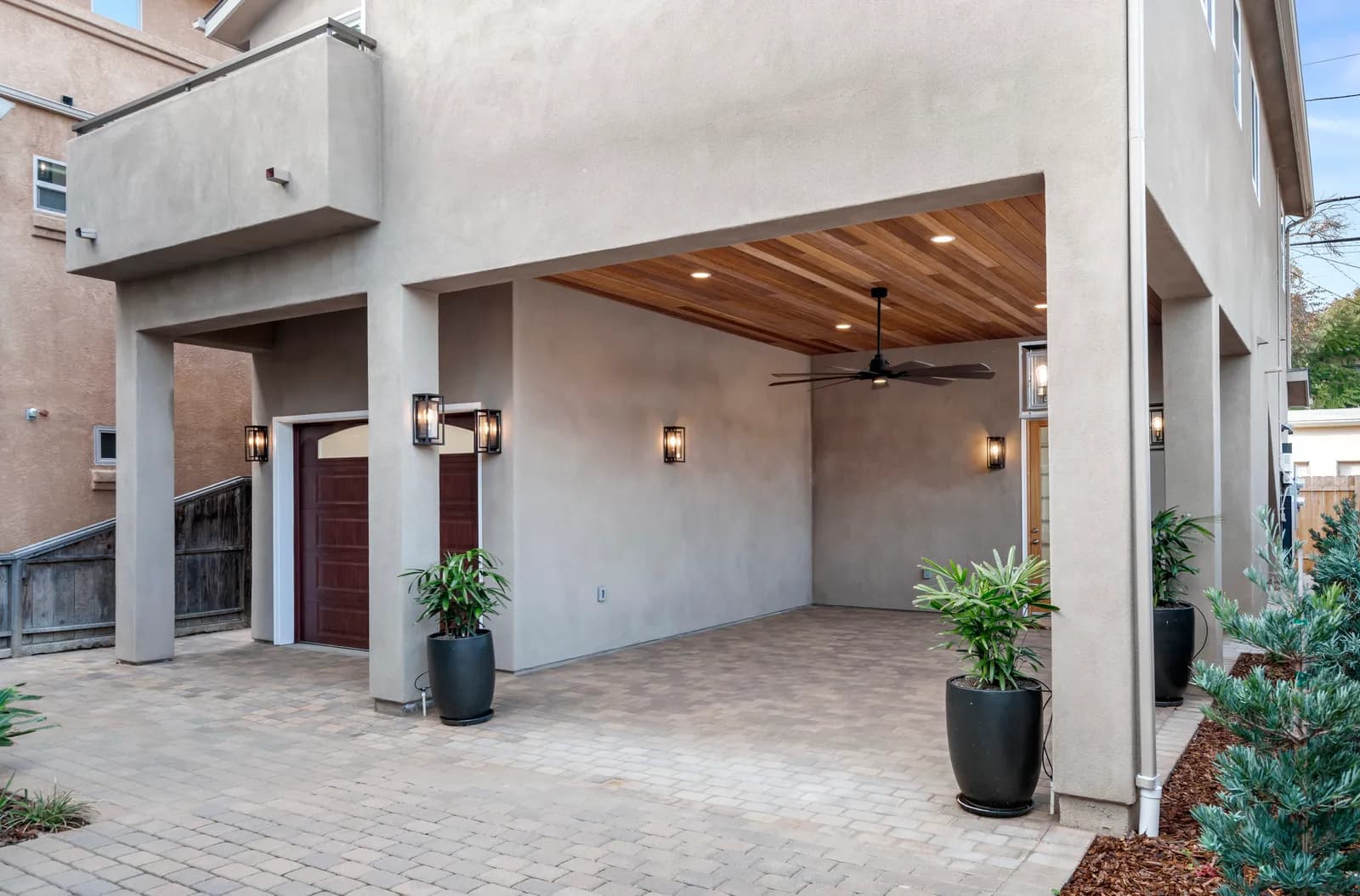
Construction: where progress finally looks like progress
Once ground breaks, a detached ADU usually takes several months to complete: grading and foundation, framing (the exhilarating week when it suddenly looks like a building), then the long middle of rough plumbing, electrical, and mechanical, inspections, insulation, drywall, and finishes. Weather is a modest factor — and with forecasters still calling for a wet El Niño winter, projects pouring foundations in the rainy months need slack built into the plan. The last stretch, from final inspections to utility release, always feels longest. It isn't; it's just the closest to done.
What actually blows up ADU schedules
In our experience, the projects that run badly over share a few culprits: utility surprises discovered mid-project instead of during design, homeowners changing finishes after materials are ordered, lots with difficult access that slow every single trade, and — most fixable of all — starting construction before the plans are truly complete. A year sounds long until you weigh it against what the building does for the next few decades, whether that's rent that services the cost or a place for your parents ten steps from your kitchen.
If a backyard home is on your list for next year, the math is simple: ADUs begun this winter are the ones finished by next fall. Start the conversation or give us a call — we'll map a realistic timeline for your actual lot, not a brochure's.
Design · Build · Integration
Let's build something beautiful.
Call (619) 334-3322 or request your free design-build consultation.