
Fire Season and Home Hardening: A Remodeler's View
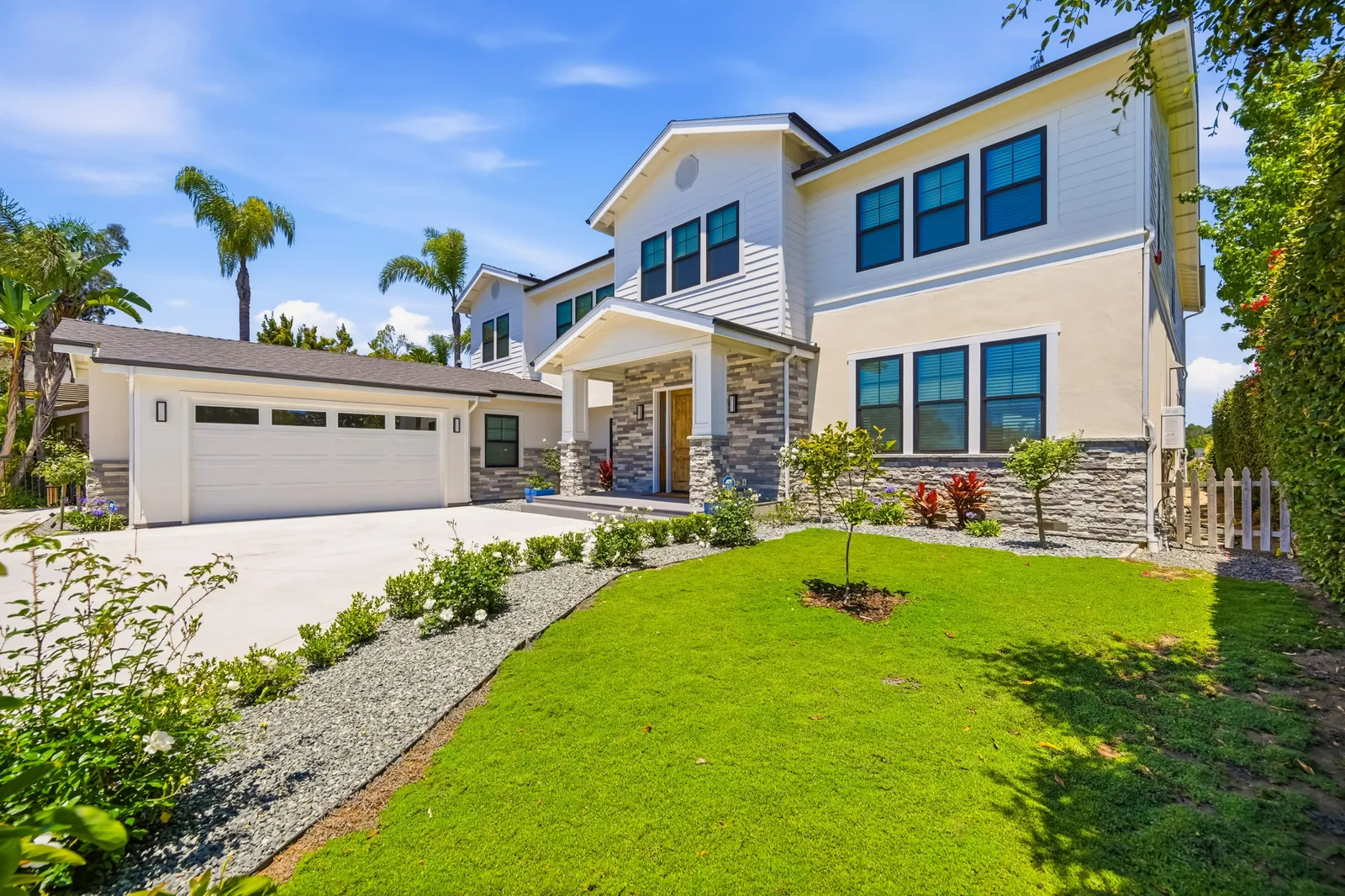
The pattern is familiar by now. Mid-October arrives, the marine layer disappears, the air goes dry and electric, and everyone in San Diego County checks the forecast for Santa Ana winds with a different kind of attention. Anyone who lived here through the Cedar Fire in 2003 or the Witch Creek fire in 2007 doesn't need the news to tell them what this weather means.
We're remodelers, not firefighters, so we'll stay in our lane — but our lane matters more than most people realize. Whether a home survives a wildfire is decided less by the flames you picture and more by construction details: the vents, the eaves, the roof edges, the gap under a deck. Fire scientists call it "home hardening," and it's fundamentally a building problem. Here's how we think about it.
Embers, not walls of flame
The image in everyone's head is a wall of fire arriving at the property line. The far more common reality is an ember storm: burning fragments carried a mile or more ahead of the fire on Santa Ana winds, landing by the thousands on roofs, in gutters, against fences, and — this is the crucial part — getting inside the house through small openings. Homes frequently ignite from the inside out, hours after the fire front passes, because an ember slipped through an attic vent and found the insulation.
That reframing changes the whole to-do list. The question isn't "how do I stop a fire?" It's "where can a burning fragment the size of a quarter get into or lodge against my house?" We wrote last month about what Santa Ana winds do to a home's envelope; fire season is the highest-stakes version of the same idea.
The details that do the work
When we assess an older home — and much of San Diego's housing stock in the canyon rim and foothill neighborhoods went up decades before wildfire codes existed — these are the details we look at first:
- Vents. Attic and crawl-space vents with ordinary quarter-inch mesh will pass embers. Fine-mesh, ember-resistant vents are one of the cheapest, highest-value upgrades on the entire list.
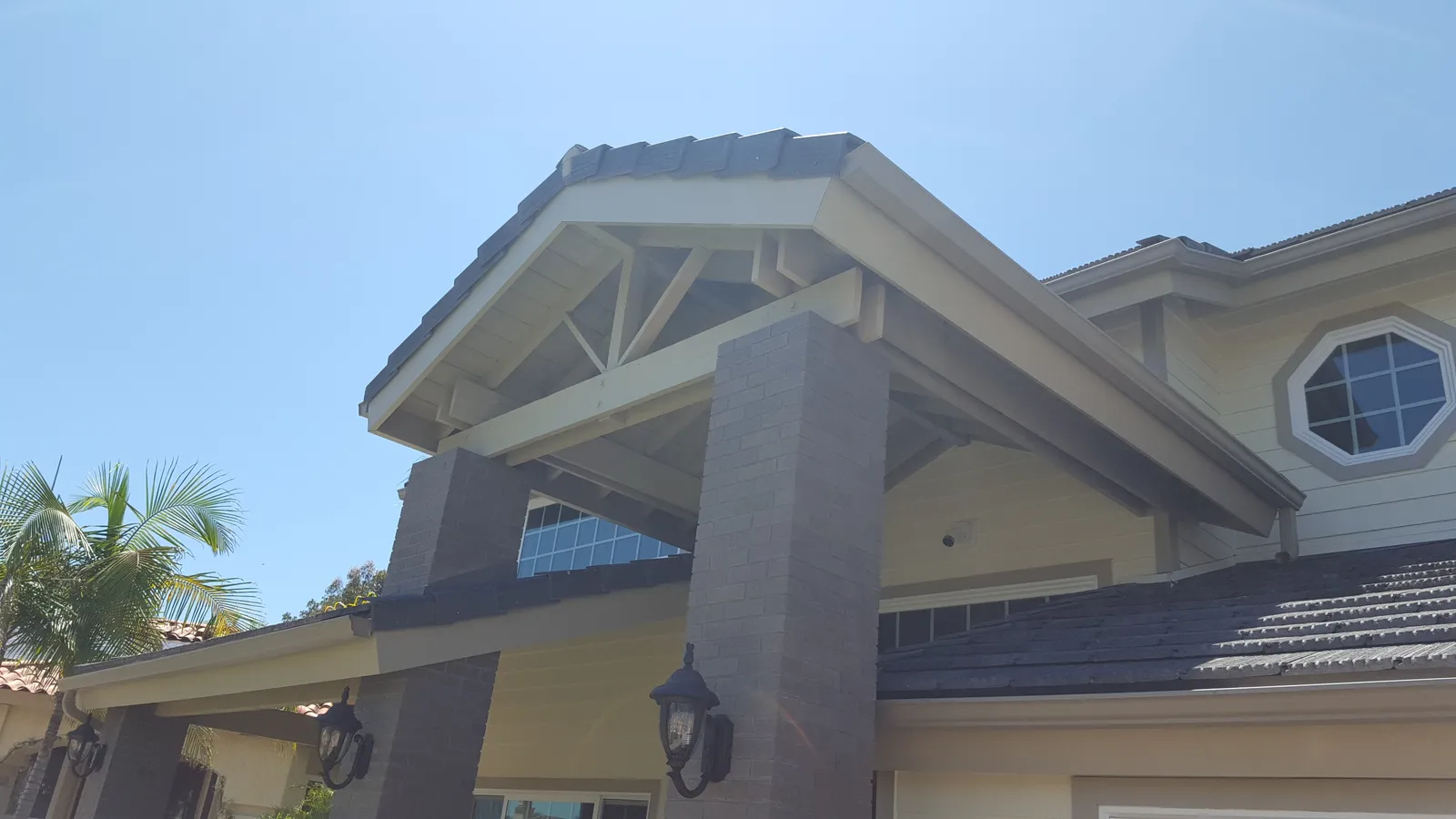
- The roof and its edges. A Class A roof covering is the baseline, but the edges matter as much as the field — open gaps at the eaves and unsealed spaces under roof tiles give embers a protected place to sit and smolder.
- Eaves and overhangs. Open eaves with exposed rafter tails collect heat and embers. Boxing or soffiting them removes one of the most vulnerable spots on the house.
- Windows. Single-pane glass fails quickly under radiant heat, and a failed window is an open door. Dual-pane units with tempered glass buy meaningful time.
- Decks, fences, and the first five feet. A wood fence that ties directly into the house is a fuse. So is combustible mulch against the stucco. Hardscape in that first zone — the courtyards and patios we build anyway for outdoor living — quietly doubles as defensible space.
The remodel is the moment
Here's the remodeler's view promised in the title: almost nobody hardens their home as a standalone project, and that's fine — because a remodel is the natural moment to do it. If you're already re-roofing, ember-resistant edge details cost little more than ordinary ones. If you're replacing windows for energy or noise, tempered dual-pane is a specification, not a separate project. New stucco, new eaves, a rebuilt deck: each is a chance to close a vulnerability while the trades are already on site.
For homes in designated fire hazard zones, California's building code already requires much of this in new construction and major work. For everyone else, it's a menu worth choosing from voluntarily — especially east of the coastal strip, where the marine layer's protection thins and the chaparral begins. A whole-home remodel on a canyon lot should treat fire hardening as part of the design brief, not an afterthought.
A calm word
None of this is meant to alarm. Most fire seasons pass San Diego quietly, and a hardened home is simply a well-built one — tighter, quieter, and more durable in ordinary years too. But October is when the subject has everyone's attention, so October is when we raise it.
We cover the companion topic in Weatherproofing Lessons From a Wet San Diego Winter.
If you're planning exterior work and want fire hardening folded into the scope, request a consultation or give us a call — we'll walk the house with you and show you exactly where the embers would look first.
Design · Build · Integration
Let's build something beautiful.
Call (619) 334-3322 or request your free design-build consultation.