
Accessory Structures: Sheds, Studios, and Workshops
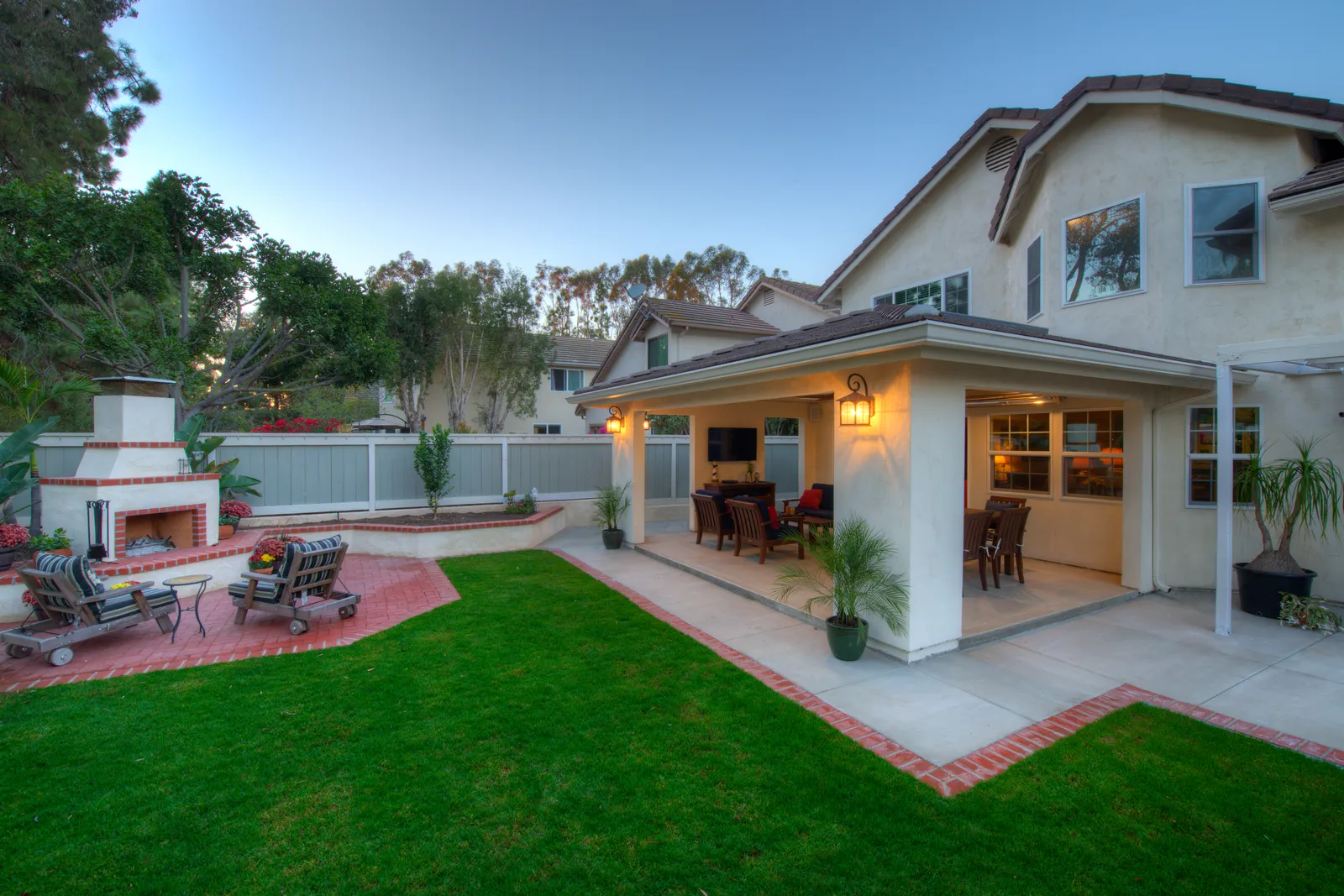
Somewhere between "a shed from the home center parking lot" and "a full guest house" lives a whole category of backyard building that San Diego homeowners are rediscovering: the accessory structure. A potting shed that's actually pleasant to stand in. A backyard studio for painting, music, or the job that never quite went back to the office. A workshop where the table saw finally moves out of the garage — and the car finally moves back in.
With so many of us staying put in our homes rather than trading up, the backyard has become the last frontier of usable square footage. And spring, with the winter rains tapering off, is exactly when these projects start moving.
Shed, studio, or something more?
The first question isn't design — it's what the building needs to do, because that determines everything about how it's permitted and built. A rough hierarchy:
- Storage shed: no plumbing, no conditioned space. In many cases, small detached structures under a size threshold can skip a building permit entirely, though setbacks and height limits still apply.
- Studio or office: electricity, insulation, real windows, maybe a mini-split. Now you're building a small permitted structure, and details like foundation and shear walls start to matter.
- Workshop: everything above, plus serious power — dust collection, 240-volt circuits, and doors sized for sheet goods.
- Anything with a bathroom or kitchenette: you've crossed into ADU territory, which brings its own rules — and its own opportunities, including rental income.
Knowing where your project sits on this ladder before you fall in love with a design saves months. It's the same principle behind our pre-construction phase: answer the expensive questions on paper.
Siting is half the design
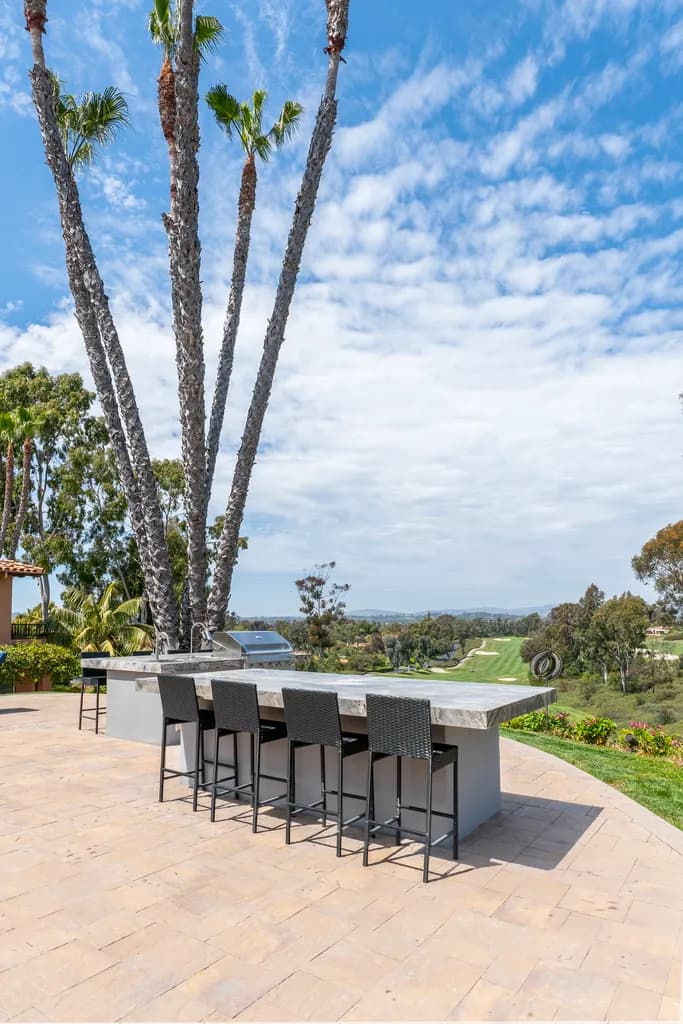
San Diego lots are rarely flat and rarely generous, so where the structure sits does as much work as what it looks like. A studio placed to catch north light paints better than one baking in west sun. A workshop pushed to the property line may need fire-rated construction. On the canyon-edge and hillside lots common from Mount Helix to Del Cerro, grading and drainage around the new slab deserve real attention — the ground that seemed solid in August behaves differently after a wet week in March.
Think about the path, too. A structure you can reach under a covered walkway, past a lit patio, gets used year-round. One across a dark, soggy lawn becomes seasonal. The best backyard buildings are designed as part of a larger outdoor living plan, not dropped onto the grass like furniture.
Build it like a building, not a box
The difference between an accessory structure that delights for decades and one that molders in five years is boring stuff: a real foundation instead of skids on dirt, roofing detailed for actual rain, ventilation so the marine layer doesn't turn your studio into a terrarium, and electrical done by someone licensed rather than an extension cord in a trench. None of it is glamorous. All of it is why some backyard buildings still look right at home years later while others quietly sag.
Dreaming about a backyard building of your own? Start the conversation or give us a call — we'll help you figure out what your lot allows and design a structure worth walking out to.
Design · Build · Integration
Let's build something beautiful.
Call (619) 334-3322 or request your free design-build consultation.